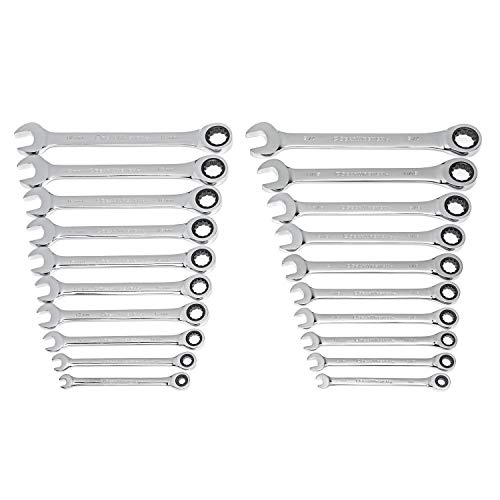
Angle Grinders for Cutting, Grinding and Cleanup
The DEWALT DWE402 leads for all-around cutting and grinding power, while the Makita XAG04Z wins for cordless freedom with strong brushless runtime. For tight budgets, the Bosch GWS8-45 delivers dependable performance owners praise. Each balances power, control, and value based on published specifications and owner feedback.
If you want the short answer, the DEWALT DWE402 is our top pick for most people, pairing an 11 Amp motor with everyday cutting and grinding versatility, while the Makita XAG04Z is the cordless choice worth its extra cost.
Choosing an angle grinder is tricky because power ratings, disc size, corded versus cordless runtime, and guard design all change how a tool feels in real use. We compared leading 4-1/2 inch and larger models on published specifications, motor type, and what owners consistently report about durability, balance, and vibration.
The best picks, ranked

DEWALT DWE402
The DEWALT DWE402 pairs an 11 Amp motor with a well-balanced body, making it a dependable all-rounder for cutting, grinding, and weld cleanup. Owners report smooth power delivery and a comfortable grip, and its tool-free guard adjustment speeds up disc changes. It is a strong default choice for most DIY and light professional work.
Pros
- Strong 11 Amp motor for everyday tasks
- Tool-free adjustable guard
- Comfortable, well-balanced grip
Cons
- Corded design limits portability
- No paddle-switch lock-off on some versions

Makita XAG04Z
The Makita XAG04Z brings brushless 18V LXT power with an electric brake and strong runtime, based on specifications and owner feedback. It cuts the cord without giving up much cutting ability, making it ideal for job sites and quick tasks. The bare tool lets you build on an existing LXT battery collection.
Pros
- Brushless motor with good efficiency
- Electric brake for safety
- Fits the popular LXT battery platform
Cons
- Sold as bare tool, battery not included
- Runtime depends on battery capacity

Bosch GWS8-45
The Bosch GWS8-45 is a compact, lightweight corded grinder that owners praise for its slim body and reliable everyday performance. Its 7.5 Amp motor handles routine cutting and grinding, and the tool feels easy to control for longer sessions. It is a sensible value pick for homeowners and hobbyists.
Pros
- Slim, lightweight, easy to control
- Reliable value performance
- Comfortable for extended use
Cons
- Less power than higher-amp rivals
- Basic feature set
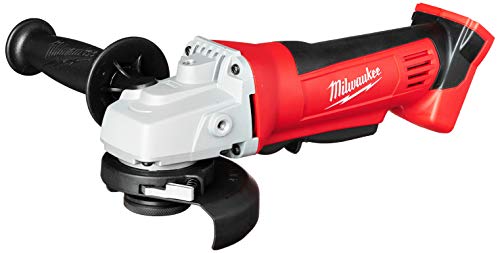
Milwaukee 2680-20 (M18)
The Milwaukee 2680-20 is an M18 cordless grinder built for professionals who want portability without leaving the platform. It delivers solid cutting and grinding for a battery tool and integrates with Milwaukee’s wide M18 lineup. Owners value its durability and the convenience of cordless operation on the job.
Pros
- Rugged, job-site ready build
- Works across the M18 battery system
- Convenient cordless operation
Cons
- Brushed motor is less efficient than brushless
- Battery and charger sold separately

Metabo HPT G12SR4
The Metabo HPT G12SR4 is a long-running budget favorite with a 6.2 Amp motor and a compact, easy-to-hold body. It covers basic cutting, grinding, and rust removal at an approachable value, and owners report dependable service for occasional use. It is a practical pick for a first grinder or a backup tool.
Pros
- Affordable and widely available
- Compact and lightweight
- Simple, proven design
Cons
- Lower amperage limits heavy work
- Fewer comfort and safety extras

Ryobi P423 (18V ONE+ Brushless)
The Ryobi P423 uses a brushless motor on the popular 18V ONE+ platform, giving DIY users cordless flexibility that shares batteries with dozens of other tools. It manages light cutting and grinding around the home and garage, and owners appreciate the value of the whole system. The bare tool suits existing ONE+ owners.
Pros
- Shares the large ONE+ battery ecosystem
- Brushless motor for better efficiency
- Great for home and garage DIY
Cons
- Bare tool, battery not included
- Not built for continuous heavy use

Makita GA7021
The Makita GA7021 is a 7 inch, 15 Amp corded grinder made for heavy-duty grinding and large cutting jobs. Its bigger disc removes material fast, and the labyrinth construction helps protect the motor from dust, based on specifications. Owners choose it for demanding fabrication and masonry work rather than light tasks.
Pros
- High 15 Amp power for heavy work
- Large 7 inch disc removes material fast
- Durable, dust-resistant construction
Cons
- Heavier and harder to control
- Overkill for small DIY jobs
How they compare
| # | Model | Amps | Best for | Score | Price |
|---|---|---|---|---|---|
| 1 | DEWALT DWE402 | 11 Amp | Best overall | 9.4 | Check price |
| 2 | Makita XAG04Z | 18V LXT | Best cordless | 9.2 | Check price |
| 3 | Bosch GWS8-45 | 7.5 Amp | Best value | 9.0 | Check price |
| 4 | Milwaukee 2680-20 (M18) | 18V (M18) | Best for professionals | 8.8 | Check price |
| 5 | Metabo HPT G12SR4 | 6.2 Amp | Best budget corded | 8.6 | Check price |
| 6 | Ryobi P423 (18V ONE+ Brushless) | 18V ONE+ | Best for DIY homeowners | 8.4 | Check price |
| 7 | Makita GA7021 | 15 Amp | Best for heavy-duty work | 8.1 | Check price |
How to choose
Corded vs Cordless Corded grinders deliver steady, unlimited power for long grinding and cutting sessions, while cordless models add portability and safety around ladders or job sites without outlets. Based on specifications, brushless cordless tools have closed much of the runtime gap, but heavy metal removal still favors a corded motor.
Disc Size and Speed Most homeowners are best served by a 4-1/2 inch grinder, which balances control with plenty of cutting depth. Larger 7 inch or 9 inch grinders remove material faster for heavy-duty work but are harder to handle and spin at lower RPM, so match the size to your typical tasks.
Safety Features to Look For Look for a restart-protection switch, an anti-vibration side handle, a tool-free adjustable guard, and spindle lock for quick disc changes. Owners report that a paddle switch with lock-off reduces accidental starts, and a well-balanced body cuts fatigue during longer sessions.
Matching the Grinder to the Job Light DIY tasks like rust removal and small cuts pair well with a mid-range corded or 18V cordless model, while daily fabrication or masonry work rewards a higher-amp motor and a durable gear housing. Consider available disc types and accessory ecosystems before you commit to a platform.
Frequently asked questions
What size angle grinder is best for beginners?
A 4-1/2 inch grinder is the most versatile starting point for most DIY users, offering enough cutting depth and grinding power while staying easy to control. Larger 7 inch models are better left for heavy-duty jobs.
Are cordless angle grinders powerful enough?
Modern brushless cordless grinders like the Makita XAG04Z handle most cutting and grinding tasks well, based on specifications and owner feedback. For continuous heavy metal removal, a corded model still provides steadier, unlimited power.
What can I use an angle grinder for?
Angle grinders cut metal, tile, and masonry, grind welds, remove rust and paint, sharpen tools, and polish surfaces when fitted with the right disc. Always match the disc type and rating to the task.
Corded or cordless, which should I buy?
Choose corded for long sessions and maximum sustained power, and cordless for portability and working away from outlets. Many owners keep both, using a corded grinder in the shop and a cordless one on the move.
How important is restart protection?
Restart protection stops the grinder from powering back on by itself after a power interruption, which is an important safety feature. Look for it alongside a lock-off paddle switch to reduce accidental starts.
What discs do I need?
Common choices include cut-off wheels for slicing metal, grinding wheels for shaping and weld cleanup, flap discs for smoothing, and diamond blades for masonry. Confirm each disc is rated for your grinder’s size and speed.
Why does disc speed (RPM) matter?
Higher no-load RPM helps smaller discs cut quickly, while larger grinders spin slower to keep the bigger disc’s edge speed safe. Never fit a disc rated below your grinder’s maximum speed.
Do I need a variable-speed grinder?
Variable speed helps with polishing, working on delicate surfaces, or using wire wheels, but most cutting and grinding is done at full speed. For general DIY, a single-speed model is usually enough.
The verdict
For most buyers, the DEWALT DWE402 offers the best mix of power, control, and value, while the Makita XAG04Z is the cordless upgrade worth considering. Budget shoppers will find the Bosch GWS8-45 and Metabo HPT G12SR4 dependable, and pros can step up to the Milwaukee M18 or the heavy-duty Makita GA7021.