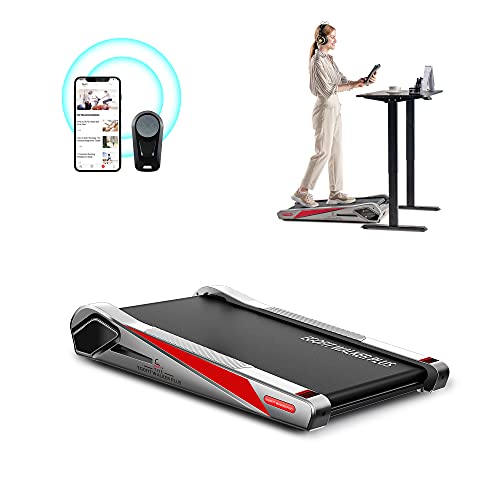
Adjustable Ankle Weights for Walking, Cardio and Rehab Sets
Bala Bangles win on comfort, because a steel core in silicone stays put instead of sagging mid movement. Sportneer Adjustable Ankle Weights cover the widest usable load range from one pair. All Pro suits structured progression, since solid bars add load in small measured steps.
Bala Bangles suit low load, high repetition work where comfort decides whether the weights get used at all. Sportneer Adjustable Ankle Weights cover general conditioning across a wide range. All Pro fits anyone following a rehab or strength programme that specifies small increments.
This category is easy to get wrong, because heavier is not better and the ankle sits at the end of a long lever. Load there multiplies torque at the knee and hip during walking. We compared weight ranges, adjustment methods, strap widths and padding across current listings. Owner reports about sand shifting inside pouches, velcro losing grip after washing and chafing on longer sessions then shaped the order.
The best picks, ranked
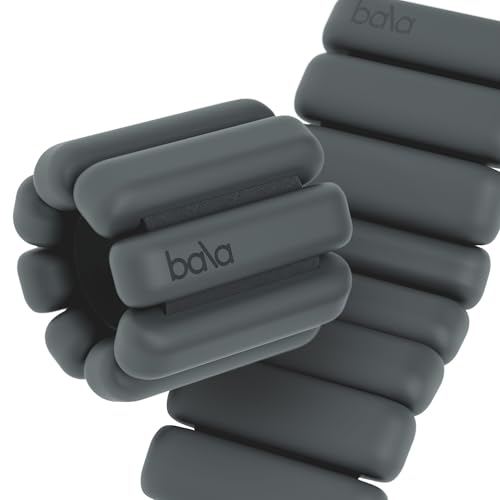
Bala Bangles Wrist and Ankle Weights
Steel wrapped in a soft silicone shell moves as one solid mass, so nothing sags or redistributes mid set. Comfort at that level is why they survive a full Pilates or barre class without a single adjustment. Weights are fixed rather than adjustable, meaning you choose the load at purchase rather than dialling it in later.
Pros
- Solid core removes filler shift entirely
- Stays comfortable across a full class
- Silicone shell wipes clean after a sweaty session
Cons
- Load cannot be changed once bought
- Top weight is light for strength training

Sportneer Adjustable Ankle Weights
Removable iron sand pouches let one pair span a wide load range as you progress. A wide strap with a padded inner face spreads pressure far better than thin budget wraps. Owners report the pouches need occasional repositioning to keep both ankles evenly loaded on longer walks.
Pros
- One purchase covers beginner through to heavier work
- Padded strap stays comfortable past thirty minutes
- Load can be dropped mid session as fatigue builds
Cons
- Pouches migrate and need resetting
- Bulkier than moulded designs under trousers
All Pro Adjustable Ankle Weights
Solid bars slide into sleeves, giving precise increments instead of the approximate feel of sand pouches. Rehab programmes and structured strength plans depend on that precision, since small steps are the whole method. Build is heavier and stiffer than a fabric wrap, so these suit deliberate exercise rather than all day wear.
Pros
- Increments are measured rather than approximate
- Solid bars hold position through every repetition
- Construction handles years of regular loading
Cons
- Stiff and bulky around a slim ankle
- Bars rattle audibly during fast movements

Nordic Lifting Ankle Weights
Double stitched seams and long straps keep heavier pairs anchored through dynamic leg work. Leg raises, glute kickbacks and resisted extensions are the target, not casual walking. Extra bulk is obvious the moment they go on, so nobody forgets they are wearing them.
Pros
- Carries more load than typical fabric wraps
- Reinforced seams resist splitting at the corners
- Long straps fit larger ankles and lower calves
Cons
- Too bulky to wear under any clothing
- Excessive weight for extended walking
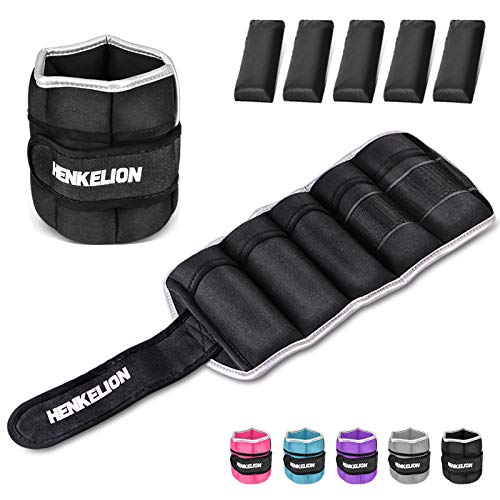
Henkelion Ankle Weights
Neoprene wraps with a soft inner lining and a wide velcro closure cover the basics for very little. Beginners adding light load to bodyweight exercises and physiotherapy routines are the natural audience. Sand filling settles unevenly over months, which is the standard limitation at this end of the market.
Pros
- Lowest outlay for a usable pair
- Soft lining reduces chafing on bare skin
- Several fixed weights to choose from
Cons
- Sand settles unevenly across the wrap
- Velcro grip fades with frequent washing

Gaiam Ankle Weights
Light fixed pairs add a small challenge to yoga, physiotherapy exercises and low impact routines without changing form. A slim profile means they sit comfortably under loose trousers during a home workout. Nothing here supports progression beyond the fixed weight, so committed lifters outgrow them quickly.
Pros
- Load level suits beginners and rehab work
- Slim enough to disappear under clothing
- Simple to fit and adjust one handed
Cons
- No route to increase the load
- Far too light for strength training

Fragraim Ankle Weights
A tighter wrap keeps the weight from bouncing, which is the usual complaint when loose straps meet a faster pace. Reflective strips add visibility on evening walks. Even with a good fit, added ankle load alters gait, so short durations and light weights remain the sensible approach.
Pros
- Snug wrap stops bounce at walking pace
- Reflective detailing helps on unlit paths
- Light enough for extended wear
Cons
- Overtightening restricts circulation
- Weight options are limited
Compared at a glance
| # | Model | Weight options | Best for | Score | Price |
|---|---|---|---|---|---|
| 1 | Bala Bangles Wrist and Ankle Weights | 0.5 lb, 1 lb and 2 lb pairs | Best overall | 9.4 | Check price |
| 2 | Sportneer Adjustable Ankle Weights | Adjustable via removable pouches | Best adjustable option | 9.2 | Check price |
| 3 | All Pro Adjustable Ankle Weights | Removable solid weight bars | Best for progressive strength | 9.0 | Check price |
| 4 | Nordic Lifting Ankle Weights | Heavier pairs available | Best for heavier loads | 8.8 | Check price |
| 5 | Henkelion Ankle Weights | Neoprene with iron sand fill | Best value | 8.6 | Check price |
| 6 | Gaiam Ankle Weights | Light fixed pairs | Best for beginners | 8.3 | Check price |
| 7 | Fragraim Ankle Weights | Light to moderate pairs | Best for walking | 8.0 | Check price |
What to look for
How heavy should ankle weights be to start? Weight at the ankle sits at the end of a long lever, so a small load creates a large torque at the knee and hip. One to two pounds per ankle is the sensible starting point for movement work. Build from there over weeks, not days. Jumping straight to five pounds is the fastest route to knee pain and hip flexor irritation, and it usually ends with the weights in a drawer.
Adjustable or fixed: which lasts longer? Fixed designs such as Bala Bangles are simpler, slimmer and more comfortable, because nothing inside can move. Adjustable wraps with pouches or bars let you progress without buying a second pair. Anyone following a structured programme benefits from measured increments, which is where bar based systems like All Pro win. For classes and casual conditioning, fixed and comfortable is the better trade.
Why strap width and padding decide comfort A narrow strap concentrates pressure across the front of the ankle, which chafes during repetitive movement. Wide straps with a soft lining spread that load and stay in position. Check strap length against your ankle circumference too, since a strap that barely closes will not hold once you start moving. Padding matters most on heavier pairs, where the same load presses harder into the same area.
When not to wear ankle weights Controlled leg work, Pilates and low impact conditioning are where these earn their place. Running and jumping are not, since ankle load changes stride mechanics and raises joint forces unpredictably. Existing knee, hip or lower back problems are worth discussing with a physiotherapist before adding any load. Weighted vests sit near the centre of mass and are the safer way to add resistance to cardio.
Common questions
How heavy should ankle weights be for walking?
Start at one to two pounds per ankle and build gradually. Heavier loads change your gait long before they build strength. If the movement looks different with the weights on, the load is too high.
Is it safe to walk with ankle weights?
Short walks at a moderate pace with light loads suit most people. Weight at the ankle still alters gait and adds stress at the knee and hip. Walking faster or on an incline raises intensity with far less joint risk.
Can ankle weights tone your legs?
They add resistance to leg lifts, kickbacks and similar patterns, which supports muscle development in those movements. Visible definition depends far more on overall training volume and body composition. Treat them as one tool inside a wider routine.
Should I run with ankle weights?
No. Running already generates high impact forces, and ankle load changes stride mechanics while increasing knee loading. Add resistance through hills, tempo work or a weighted vest carried near your centre of mass instead.
Do ankle weights cause knee pain?
They can, when the load is too heavy or worn too long, because leverage multiplies force at the joint. Reducing weight, shortening sessions and avoiding fast swinging movements resolves most cases. Persistent pain deserves a professional opinion.
How do I wash ankle weights?
Wipe neoprene and silicone models with a damp cloth and mild soap, then air dry fully before storing. Keep sand filled wraps out of the machine, since agitation redistributes the filler and permanently weakens the velcro.
Can I use ankle weights on my wrists?
Many pairs, including Bala Bangles, are designed for both. Keep wrist loads very light, because arm movements are faster and mass at the end of the arm strains elbows and shoulders quickly.
Are ankle weights good for physiotherapy?
They feature in plenty of rehab programmes, usually at low loads with precise progression. Bar based designs such as All Pro suit that best, since increments are measured. Follow the loading your physiotherapist specifies rather than guessing.
How long before ankle weights make a difference?
Inside a consistent routine, most people notice better endurance in the loaded movements within a few weeks. Ankle weights supplement a programme rather than being one. Results follow the training around them.
The bottom line
Bala Bangles are the best pick for most people, because a design that stays comfortable through a full session is a design that keeps getting used. Choose Sportneer Adjustable Ankle Weights when one pair needs to grow with you. Pick All Pro when a programme specifies increments and approximate loading will not do.