Top Audio Accessories for Professional Use
For professionals, the Focusrite Scarlett 2i2 stands out as the top pick, offering pristine preamps and robust build quality, ideal for home studios and mobile recording. Its main advantage is the combination of high-quality conversion and user-friendly controls, while the limitation is the limited number of inputs for larger sessions.
Professional audio work demands gear that delivers transparent sound and unwavering reliability. Whether you are recording vocals, editing podcasts, or mixing tracks, the right accessories can make or break your workflow.
We analyzed current market offerings, comparing specifications and owner experiences to bring you a curated list of essential tools. From audio interfaces to studio monitors, these picks cater to various professional needs without compromising on quality.
What to look for
What we recommend
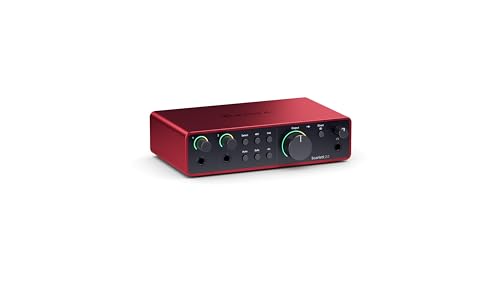
Focusrite Scarlett 2i2 3rd Gen USB Audio Interface
The Focusrite Scarlett 2i2 is a staple in countless studios. It features two high-headroom instrument inputs, two Scarlett mic preamps, and 24-bit/192kHz conversion. Users praise its transparent sound and solid construction. The interface includes a USB-C connection and comes with a bundle of software, making it a versatile choice.
Pros
- Excellent preamp quality
- Sturdy metal chassis
- Low latency performance
Cons
- Only two inputs
- No MIDI I/O
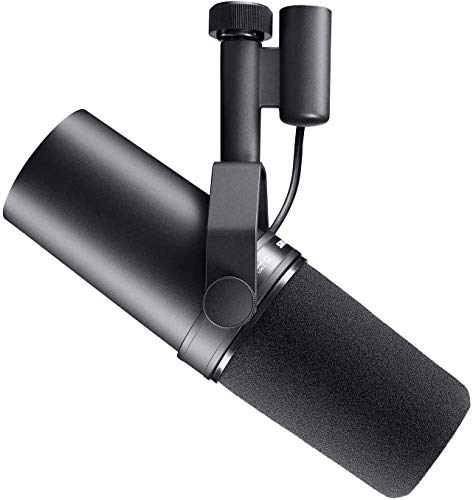
Shure SM7B Dynamic Vocal Microphone
The Shure SM7B is legendary for its warm, flat frequency response and excellent rejection of electromagnetic hum. It is a dynamic mic with a cardioid pattern, ideal for close-up vocals. Owners report that it requires a cloudlifter or high-gain preamp, but the sound quality is worth it.
Pros
- Articulate voice reproduction
- Rugged construction
- Excellent off-axis rejection
Cons
- Requires significant gain
- Heavy and bulky

KRK Rokit 5 G4 Studio Monitor
The KRK Rokit 5 G4 delivers clear, accurate sound with a Kevlar woofer and soft-dome tweeter. It features a built-in DSP that allows EQ adjustments to suit your room. Users appreciate the balanced output and the ability to fine-tune the response.
Pros
- Accurate sound reproduction
- Adjustable room EQ
- Compact footprint
Cons
- Bass extension limited
- Slight hiss at high volumes

Audio-Technica ATH-M50x Professional Studio Headphones
The ATH-M50x are closed-back monitoring headphones known for their clarity and deep bass. They feature 45mm large-aperture drivers and a detachable cable design. Owners report they are comfortable for long sessions and provide excellent isolation.
Pros
- Detailed sound signature
- Foldable design
- Multiple cable options
Cons
- Clamping force can be tight
- Not fully neutral
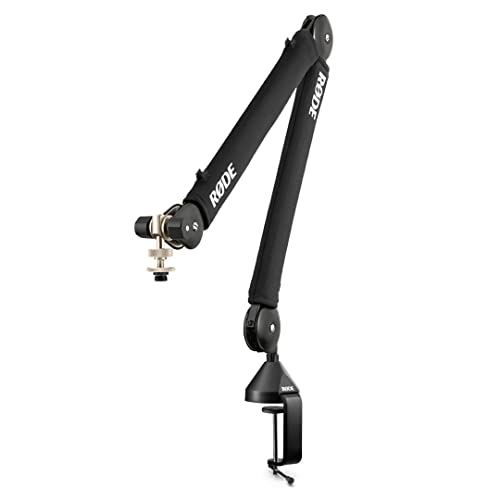
Rode PSA1+ Swivel Mount Studio Microphone Boom Arm
The Rode PSA1+ is a heavy-duty boom arm with internal springs and a concealed cable management system. It has a 180-degree vertical range and supports microphones up to 2.6 pounds. Users love its smooth movement and stability.
Pros
- Sturdy and durable
- Smooth positioning
- Internal cable routing
Cons
- Large footprint
- May require adaptation for thin desks

dbx 286s Channel Strip Processor
The dbx 286s provides mic preamp, compressor, de-esser, enhancer, and noise gate in one unit. It is perfect for cleaning up voice recordings before they hit your interface. Users report that it adds professional polish to vocals and podcast audio.
Pros
- All-in-one processing
- Easy to dial in
- Improves signal clarity
Cons
- No digital output
- Learning curve for beginners

Mogami Gold Studio XLR Cable (3 ft)
Mogami Gold Studio XLR cables are built with high-purity OFC conductors and a spiral shield for noise rejection. They feature gold-plated connectors and a durable jacket. Audio professionals rely on these cables for consistent, transparent signal transfer.
Pros
- Excellent build quality
- Low capacitance for clear sound
- Flexible and durable
Cons
- Expensive compared to generic cables
- Limited length options
Compared at a glance
| # | Model | Inputs | Best for | Score | Price |
|---|---|---|---|---|---|
| 1 | Focusrite Scarlett 2i2 3rd Gen USB Audio Interface | 2 XLR combo, 2 instrument | Home studio recording and mobile setups | 9.4 | Check price |
| 2 | Shure SM7B Dynamic Vocal Microphone | Dynamic | Podcasts, vocals, and broadcasting | 9.3 | Check price |
| 3 | KRK Rokit 5 G4 Studio Monitor | 5 inch Kevlar | Near-field monitoring in small rooms | 9.1 | Check price |
| 4 | Audio-Technica ATH-M50x Professional Studio Headphones | 45mm dynamic | Critical listening and tracking | 9.0 | Check price |
| 5 | Rode PSA1+ Swivel Mount Studio Microphone Boom Arm | 33 inches | Flexible microphone positioning | 8.8 | Check price |
| 6 | dbx 286s Channel Strip Processor | XLR with 48V phantom | Vocal processing and signal conditioning | 8.7 | Check price |
| 7 | Mogami Gold Studio XLR Cable (3 ft) | 3 feet | High-quality signal transmission | 8.5 | Check price |
Common questions
What is the difference between dynamic and condenser microphones?
Dynamic microphones are rugged and handle high sound pressure levels, making them ideal for loud sources and live use. Condenser microphones are more sensitive and capture more detail, but they require phantom power and are better suited for controlled studio environments.
Do I need an audio interface if I have a USB microphone?
A USB microphone is a convenient all-in-one solution, but it offers limited control and upgradeability. An audio interface allows you to use high-quality XLR microphones and provides better preamps, lower latency, and more connectivity options. For professional work, an interface is recommended.
What is phantom power and when should I use it?
Phantom power is a 48V DC current sent through XLR cables to power condenser microphones and some active DI boxes. You should use it when you have a condenser mic that requires it. Dynamic mics do not need phantom power, and applying it to ribbon mics can damage them.
How important is room treatment for professional audio?
Room treatment is critical for accurate monitoring and recording. Untreated rooms cause reflections and standing waves that color the sound. Acoustic panels, bass traps, and diffusers help create a neutral listening environment. While expensive, even basic treatment improves your mix translation.
Can I use studio monitors for casual listening?
Yes, you can use studio monitors for casual listening, but they are designed to reveal flaws. They may sound less flattering than consumer speakers, but they provide a truthful representation of your audio. If you enjoy a ‘colored’ sound, consider separate speakers for entertainment.
What is the ideal bit depth and sample rate for recording?
For professional recording, 24-bit audio at 48 kHz is standard for video and 44.1 kHz for music. Higher sample rates like 96 kHz are used for complex productions, but they increase file size. 24-bit gives you more dynamic range and headroom, which is beneficial for editing.
How do I reduce background noise in my recordings?
Use a dynamic microphone with a cardioid pattern to reject off-axis noise. Ensure your recording space is quiet, use acoustic treatment to absorb reflections, and apply noise gates or noise reduction plugins in post-production. Also, consider a boom arm to keep the mic away from desk vibrations.
What is the difference between balanced and unbalanced cables?
Balanced cables have three conductors (hot, cold, ground) and reject electromagnetic interference, making them ideal for long runs and professional gear. Unbalanced cables have two conductors and are more susceptible to noise. Always use balanced connections when possible.
How often should I replace my XLR cables?
Quality XLR cables can last for years if handled properly. Replace them when you notice intermittent signals, crackling sounds, or visible damage. Periodic inspection is recommended, especially at stress points near connectors.
Can I use a boom arm with any microphone?
Most boom arms have a standard 5/8-inch thread and come with adapters for smaller mics. However, heavy microphones may require a robust arm like the Rode PSA1+. Check the weight capacity and thread size to ensure compatibility.
Our take
For most professional setups, the Focusrite Scarlett 2i2 is the best starting point, offering superior preamps and reliability. Pair it with the Shure SM7B for vocals and the KRK Rokit 5 G4 monitors for accurate playback. If you are on a budget, prioritize the interface and a good microphone, then upgrade monitoring later. Invest in quality cables and a sturdy boom arm to complete your studio.