Lightweight Backpacking Tents Worth the Pack Weight
The Big Agnes Copper Spur HV UL2 tops our roundup for its rare mix of low weight and livable space. The REI Co-op Half Dome SL 2+ is the best value with roomy interiors, while the MSR Hubba Hubba 2 stands out for durability. Owners report all three hold up across varied trail conditions.
If you want a shelter that is light enough to carry all day but livable enough to wait out a storm, the Big Agnes Copper Spur HV UL2 is our top overall backpacking tent, with the roomy REI Co-op Half Dome SL 2+ and durable MSR Hubba Hubba 2 rounding out the leaders.
Picking a backpacking tent is tricky because ounces, floor space, and weather resistance pull against each other, and the lightest tents often sacrifice room or ruggedness. To rank the shelters below we compared manufacturer specifications for weight and dimensions, pole and fabric construction, and patterns in what owners report about setup, ventilation, and storm performance.
The best picks, ranked
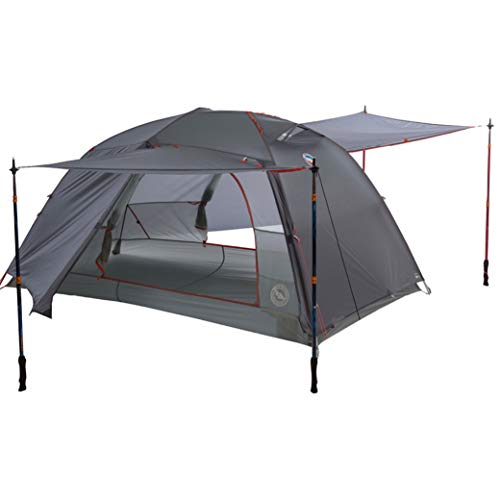
Big Agnes Copper Spur HV UL2
The Copper Spur HV UL2 earns the top spot for balancing an ultralight trail weight with genuinely usable interior volume, thanks to steep walls and a high-volume pole geometry. Owners report it pitches quickly and handles wind and rain well for its class. Two doors and two vestibules make it a comfortable two-person freestanding shelter for long trips.
Pros
- Excellent weight-to-space ratio
- Two doors and two vestibules
- Fast, intuitive pitch
Cons
- Premium price for the category
- Thin fabrics need careful handling

REI Co-op Half Dome SL 2+
The Half Dome SL 2+ delivers noticeably more headroom and floor space than most tents near its weight and cost, making it a favorite for backpackers who value comfort. Owners report it is easy to set up with a color-coded pole system and stands up to typical three-season weather. It weighs more than ultralight rivals but rewards you with room.
Pros
- Roomy interior for the price
- Easy, forgiving setup
- Two doors and vestibules
Cons
- Heavier than ultralight options
- Bulkier packed size

MSR Hubba Hubba 2
The Hubba Hubba 2 is a well-rounded freestanding tent known for sturdy poles and a bathtub floor that inspire confidence in rough weather. Based on its construction and owner reports, it strikes a middle ground between weight and toughness that suits backpackers who log serious miles. Symmetrical geometry makes for a quick, repeatable pitch.
Pros
- Rugged poles and materials
- Reliable weather protection
- Quick symmetrical pitch
Cons
- Not the lightest in its class
- Higher price point

NEMO Hornet OSMO 2P
The Hornet OSMO 2P is built to shave weight for backpackers focused on going fast and light, using thin OSMO fabric and minimalist poles. Owners report it packs down small and is a joy to carry on long routes. The trade-off is a snugger interior and delicate materials that reward careful site selection and handling.
Pros
- Very low packed weight
- Compact pack size
- Two doors despite light build
Cons
- Snug for two adults
- Thin fabrics need care

Big Agnes Tiger Wall UL2
The Tiger Wall UL2 splits the difference between the ultralight Hornet and the roomier Copper Spur, offering a light semi-freestanding design that many solo hikers use as a spacious one-person shelter. Owners report it pitches easily and ventilates well. As with most ultralight tents, staking it out fully is key to getting a taut, stable pitch.
Pros
- Light with decent room
- Great as a roomy solo tent
- Good airflow
Cons
- Needs staking to pitch fully
- Delicate ultralight fabrics

Sea to Summit Alto TR2
The Alto TR2 uses a tension-ridge pole and large mesh panels to boost airflow and headroom, which helps cut condensation on humid nights. Owners report the design opens up the interior and improves the view. It is a smart pick for warm, muggy conditions, though the specialized pole system takes a moment to learn on the first pitch.
Pros
- Strong ventilation and headroom
- Bright, open interior
- Light for its space
Cons
- Learning curve on first setup
- Premium pricing
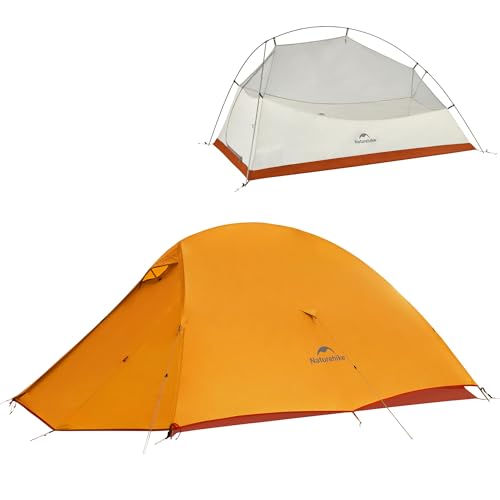
Naturehike Cloud Up 2
The Cloud Up 2 is a widely used budget backpacking tent that keeps weight reasonable while costing far less than premium rivals. Owners report it works well for casual and shoulder-season trips, with a straightforward pole-and-clip pitch. It is more snug and less refined than the pricier tents here, but it is a practical entry point for new backpackers.
Pros
- Low cost for a double-wall tent
- Reasonable weight for the price
- Simple pitch
Cons
- Single door and vestibule
- Snug for two adults
How they compare
| # | Model | Capacity | Best for | Score | Price |
|---|---|---|---|---|---|
| 1 | Big Agnes Copper Spur HV UL2 | 2 person | Best overall | 9.4 | Check price |
| 2 | REI Co-op Half Dome SL 2+ | 2 person, plus size | Best value | 9.2 | Check price |
| 3 | MSR Hubba Hubba 2 | 2 person | Best for durability | 9.0 | Check price |
| 4 | NEMO Hornet OSMO 2P | 2 person | Best ultralight | 8.8 | Check price |
| 5 | Big Agnes Tiger Wall UL2 | 2 person | Best for solo hikers | 8.5 | Check price |
| 6 | Sea to Summit Alto TR2 | 2 person | Best for ventilation | 8.3 | Check price |
| 7 | Naturehike Cloud Up 2 | 2 person | Best budget | 8.0 | Check price |
How to choose
Weight versus livable space The core tension in backpacking tents is trail weight against interior room. Ultralight models cut ounces with thin fabrics and minimal poles but feel snug, while roomier tents add comfort at the cost of pack weight. Decide how far you hike per day and whether you value carrying less or living larger at camp, then pick a tent that leans the way you do.
Freestanding vs semi-freestanding Freestanding tents stand on their own once the poles are in, making them easy to pitch on hard ground and simple to reposition. Semi-freestanding tents save weight but rely on stakes at the foot end to reach full shape, so they need stakeable ground and careful guying. If you camp on rock, sand, or platforms, a fully freestanding design is more forgiving.
Weather protection and seasons Most backpacking tents are three-season shelters built for spring through fall rain and wind, not heavy snow. Look at fly coverage, a bathtub floor that keeps water out, and sturdy poles for wind resistance. Owners report that a taut pitch and good site selection matter as much as the tent itself when a storm rolls through.
Doors, vestibules, and ventilation Two doors and two vestibules let each occupant enter without climbing over the other and give both sides sheltered gear storage. Ample mesh and adjustable vents reduce condensation, which is the most common comfort complaint in the field. On humid nights, a tent designed for airflow keeps the interior drier and more pleasant.
Frequently asked questions
What is the most important feature in a backpacking tent?
Weight and livable space are the two features backpackers weigh most, and they trade off against each other. Beyond that, weather protection and ease of setup matter. The best choice depends on how far you hike and the conditions you expect on your typical trips.
How much should a backpacking tent weigh?
Two-person backpacking tents commonly range from roughly two to just over four pounds. Ultralight models sit at the low end with snugger interiors, while roomier and more durable tents weigh more. Split the weight between hiking partners to lighten each pack.
Is a freestanding or non-freestanding tent better?
Freestanding tents are easier to pitch on any surface and simple to move, which suits most backpackers. Non-freestanding and semi-freestanding tents save weight but need stakeable ground and more careful setup. Choose freestanding for versatility and semi-freestanding to cut ounces.
Can two people really fit in a two-person tent?
A two-person tent fits two adults and little else, so many hikers size up or use a roomier model for more comfort. Solo backpackers often buy a two-person tent to gain space for gear. Check the floor dimensions against your sleeping pads before deciding.
Are ultralight tents worth it?
Ultralight tents shine on long routes where every ounce counts, and owners report they make big miles more comfortable. The trade-offs are tighter interiors, thinner fabrics, and higher prices. If you hike shorter distances or want durability, a slightly heavier tent may serve you better.
Do I need a footprint under my tent?
A footprint is optional but helps protect the tent floor from abrasion and punctures, extending its life. Many backpackers use a lightweight groundsheet or the brand’s fitted footprint. On rough or rocky ground, the added protection is worth the small weight penalty.
How do I keep condensation down in a backpacking tent?
Condensation forms when warm, moist air meets a cool fly. Pitch the tent taut, open vents and doors when weather allows, and avoid camping in low, damp spots. Double-wall tents and models built for airflow handle humid nights better than tightly sealed designs.
Are these tents good in the rain?
The three-season tents in this roundup are designed to handle rain and wind when pitched correctly with the fly staked out. Owners report reliable protection in typical storms. For deep winter or heavy snow loads, a dedicated four-season mountaineering tent is the safer choice.
How long does a backpacking tent last?
With careful use, many backpacking tents last several seasons or longer. Longevity depends on fabric weight, how often you use it, and how you store it. Drying the tent fully before packing it away and handling thin ultralight fabrics gently both help it last.
The verdict
For most backpackers, the Big Agnes Copper Spur HV UL2 is the best backpacking tent of 2026 because it carries light yet stays livable. If you want maximum space for the money, the REI Co-op Half Dome SL 2+ is the smart value pick, while the MSR Hubba Hubba 2 is the one to choose when durability on long trips is the priority.