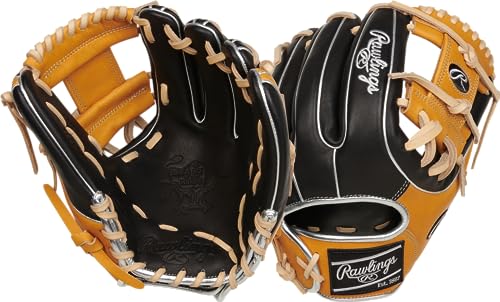
Youth Baseball Kit: Gloves, Bats, Helmets and Tees
Rawlings Players Series Youth Baseball Glove is the first thing to buy, since it closes without adult strength. Louisville Slugger Solo USA Youth Baseball Bat swings light and carries the USA stamp. Rawlings R16 Youth Batting Helmet covers NOCSAE certification while staying light on the head.
Rawlings Players Series Youth Baseball Glove is where the money should go first, followed by the Louisville Slugger Solo USA Youth Baseball Bat for hitting. Rawlings R16 Youth Batting Helmet handles the safety requirement without weighing down a young neck.
Youth gear confuses parents for three reasons. Sizing runs by age band rather than measurement, bats carry stamps that decide legality, and children outgrow nearly everything inside two seasons. We compared published sizing charts, certification marks, drop weight options and material construction, then weighed the recurring parent reports about gloves too stiff to close and bats too heavy to control.
How to pick the right one
What to look for in youth baseball equipment Three details drive every purchase: fit, certification and expected lifespan. Gloves are chosen by whether the hand can close them, helmets by circumference and the NOCSAE mark, bats by the stamp your league enforces. Anything a child will outgrow in a season deserves less spending than something that carries into the next age group. Ask the league what it loans before buying catching gear.
How to size a youth glove by hand strength Age charts get you close, then hand strength decides. Have the player squeeze the glove shut repeatedly; if it takes two hands, it is too stiff or too large. Outfielders use bigger patterns with deeper pockets, infielders shorter ones with open webs. Softness beats premium leather until catches are consistent.
Why lighter bats produce better youth swings Drop weight is length in inches minus weight in ounces, so a higher drop number means a lighter bat. Young hitters control a light bat and drag a heavy one, and a dragged barrel arrives late every time. Pick the lightest drop offered in the correct length. Strength catches up with the bat later, never the other way around.
When to replace helmets, gloves and bats Helmets go after any significant impact, when padding no longer holds them level, or when the shell cracks. Second hand helmets are a poor idea, because internal damage does not show. Gloves are done when fingertips no longer reach the finger stalls or the laces fray through. Bats last until the player outgrows the length or the barrel dents.
Our top picks

Rawlings Players Series Youth Baseball Glove
Soft leather and synthetic blend means this glove shuts from the first practice, which solves the most common youth baseball problem. Its shallow pocket suits small hands, and the wrist strap tightens or releases as the child grows through the season. Parents report almost no break in time, useful when the first game is a week away.
Pros
- Closes on day one without help
- Strap adjusts as the hand grows
- Wide size range across age bands
Cons
- Not built for competitive travel play
- Synthetic content limits its lifespan

Louisville Slugger Solo USA Youth Baseball Bat
One piece alloy construction keeps swing weight low, which is exactly what a developing hitter needs to reach the ball on time. The USA Baseball stamp appears on the taper and satisfies most youth leagues in the United States. Owners report the barrel survives a full season of cage work without denting.
Pros
- Low swing weight suits developing hitters
- Legal under USA Baseball league rules
- Alloy barrel resists denting in the cage
Cons
- Not permitted where USSSA is required
- One piece build transmits sting on mishits

Rawlings R16 Youth Batting Helmet
Certification and fit matter more here than any other purchase, and the R16 delivers both without excess weight. Vents move air across the scalp, which keeps players from pulling it off between innings on hot afternoons. Sizing works from head circumference rather than age, so measure with a tape before ordering.
Pros
- Certified for organised league play
- Light enough that kids leave it on
- Vents help on hot afternoons
Cons
- Padding is not removable on all versions
- Face guard sold separately where required

Wilson A450 Youth Baseball Glove
Players who have outgrown a beginner mitt but cannot manage adult leather land here. Wilson scales down its pro pattern, so hand position and pocket shape carry across when the child eventually moves up. Expect a week or two of catch to soften it, which is the trade for a glove that lasts several seasons.
Pros
- Pro pattern transfers technique upward
- Outlasts entry level gloves
- Position specific sizes available
Cons
- Needs a week or two of break in
- Too stiff for very young players

Franklin Sports Teeball Glove
For a five year old at a first tee ball session, an expensive glove is wasted material. Soft synthetic construction closes with almost no hand strength, and many listings bundle a matching soft ball. One or two seasons is a realistic lifespan, which is long enough to find out whether the sport sticks.
Pros
- Closes with almost no hand strength
- Simplest way to start a very young player
- Often includes a suitable soft ball
Cons
- Synthetic build wears out quickly
- Shallow pocket struggles with real baseballs

Tanner Tee Original Batting Tee
More swings is the shortest route to better hitting, and a tee makes them possible without a pitcher. A flexible rubber top gives way on contact instead of jarring the bat, which spares young wrists when a swing comes in low. Height adjustment spans youth through adult, so it stays useful for years.
Pros
- Forgiving stem spares hands and wrists
- Height range lasts several years
- Tripod base resists tipping
Cons
- Heavier to carry than plastic tees
- Stem is the part that eventually wears out
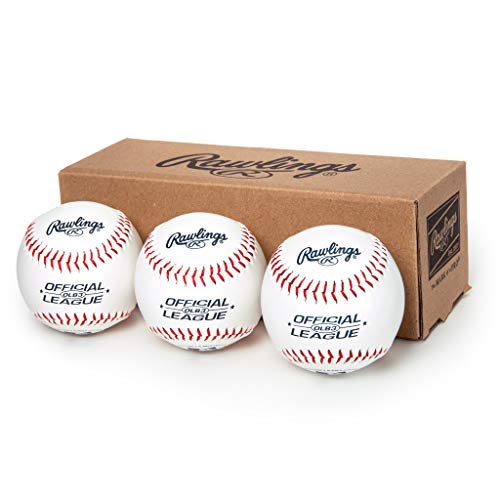
Rawlings Official League Recreational Baseballs
Practice balls get lost in hedges, scuffed on tarmac and left out overnight, so buying by the bucket is the only workable approach. These run official 9 inch size and standard weight, which keeps tee work and soft toss realistic. A synthetic cover handles rough surfaces far better than stitched leather does.
Pros
- Cheap enough to lose without worry
- Synthetic cover survives concrete
- Correct weight for realistic reps
Cons
- Not intended for league games
- Seams flatten faster than leather balls
How they compare
| # | Model | Age range | Best for | Score | Price |
|---|---|---|---|---|---|
| 1 | Rawlings Players Series Youth Baseball Glove | Roughly ages 4 to 12 by size | Best overall | 9.4 | Check price |
| 2 | Louisville Slugger Solo USA Youth Baseball Bat | One piece alloy | Best bat | 9.2 | Check price |
| 3 | Rawlings R16 Youth Batting Helmet | Meets NOCSAE standard for youth play | Best helmet | 9.0 | Check price |
| 4 | Wilson A450 Youth Baseball Glove | Roughly ages 8 to 13 | Best value glove | 8.7 | Check price |
| 5 | Franklin Sports Teeball Glove | Roughly ages 3 to 7 | Best budget | 8.5 | Check price |
| 6 | Tanner Tee Original Batting Tee | Adjustable across youth and adult heights | Best for practice | 8.3 | Check price |
| 7 | Rawlings Official League Recreational Baseballs | Official 9 inch | Best practice balls | 8.0 | Check price |
Frequently asked questions
What size glove does my child need?
Ages four to six usually suit 9 to 10 inches, ages seven to nine around 10 to 11 inches, and ages ten to twelve about 11 to 11.5 inches. Position shifts that guide, with outfielders taking larger patterns. Always check the child can close the glove before committing.
What is the difference between USA and USSSA bats?
Both are certification standards, but they set different performance limits at the barrel. USSSA bats allow more trampoline effect, so leagues pick one standard and enforce it. Match the stamp on the bat to the rule your league publishes.
How do you break in a new baseball glove?
Play catch with it, repeatedly. Nothing else works as well. A small amount of conditioner on the pocket helps, but soaking, microwaving or baking a glove breaks down the leather fibres and shortens its life.
What bat length should a youth player use?
Hold the knob at the centre of the chest with the barrel pointing outward. If fingertips reach the end of the barrel, the length is roughly right. Combine that length with the lightest drop weight offered.
Do young players need batting gloves?
Not for tee ball. They reduce blistering once batting practice becomes regular and improve grip in cold or wet conditions. Most players start using them around the age when cage sessions begin.
How often should a batting helmet be replaced?
Replace it after a significant impact, when the padding stops holding it level, or when the shell shows cracks. Growing children usually outgrow one first, so recheck the fit at the start of every season.
Are metal cleats allowed in youth baseball?
Most youth leagues require moulded rubber cleats and prohibit metal spikes until the older age groups. This rule varies more between leagues than any other equipment requirement, so confirm it locally.
Which glove should a player move to after a beginner mitt?
Look for a scaled down pro pattern in leather, sized around 10.75 to 12 inches. The pattern teaches the hand position used in adult gloves. Accept a short break in period as the trade for durability.
What is the cheapest way to kit out a youth player?
A soft glove that closes, a helmet that fits, and a shared team bat cover the minimum. Many leagues loan bats and catching gear for the first year. Ask before buying anything beyond the glove and helmet.
The bottom line
Start with the Rawlings Players Series Youth Baseball Glove, because a glove a child can close changes how quickly the game becomes fun. Pair it with the Louisville Slugger Solo USA Youth Baseball Bat once the league stamp is confirmed in writing. Rawlings R16 Youth Batting Helmet is the one item where certification and fit outrank every other consideration.