Best Batteries for Homeowner Cultivators: Power Picks
For most homeowners, the Greenworks 40V 4.0 Ah battery is the top pick because it offers a solid balance of runtime, weight, and compatibility across a wide range of Greenworks tools. It provides dependable power for small to medium gardens, but it may not have enough capacity for very large plots, where a higher amp hour battery would be better.
Choosing the right battery for your cultivator can make the difference between a smoothly finished garden bed and a frustrating half-done job. Homeowners need a battery that offers enough runtime to till their soil, holds its charge over time, and fits their existing power tool platform.
In this guide, we compared seven top batteries designed for use with homeowners’ cultivators. We looked at specifications, real-world owner reports, and overall value to help you make an informed choice without breaking the bank.
What matters most
The top picks, ranked
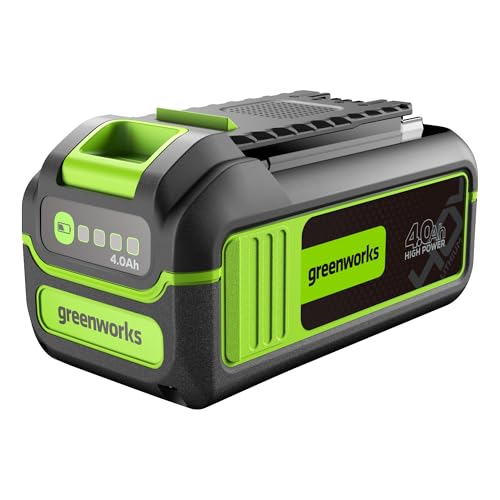
Greenworks 40V 4.0 Ah Battery
This Greenworks battery is a popular choice for their 40V cultivators, offering a good mix of power and runtime. Owners appreciate its lightweight design and the fact that it charges quickly. It is compatible with multiple Greenworks tools, making it a versatile addition to your shed.
Pros
- Lightweight and easy to handle
- Fast charging with compatible charger
- Works with many Greenworks 40V tools
Cons
- Capacity may be insufficient for very large gardens
- Requires Greenworks charger, not included

EGO Power+ 56V 5.0 Ah Battery
EGO’s 56V battery delivers impressive power and runtime, ideal for bigger cultivators and tougher soil. Build quality is top notch, and the fuel gauge on the battery is a handy feature. It is heavier than some, but the extra weight is worth it for extended use.
Pros
- Excellent runtime
- Durable construction
- LED fuel gauge indicates remaining charge
Cons
- Heavier than lower voltage batteries
- Premium price

Ryobi 40V 4.0 Ah Battery
Ryobi’s 40V battery offers solid performance for their cultivator line. It is reasonably priced and works with a wide array of Ryobi 40V tools. Users note that it holds a charge well and provides adequate runtime for typical weekend gardening.
Pros
- Affordable price point
- Works with many Ryobi 40V tools
- Reliable performance
Cons
- Not as powerful as higher voltage options
- Charger not included

DeWalt 20V MAX 5.0 Ah Battery
This DeWalt battery is a compact and lightweight choice for cultivators that run on 20V MAX. It provides enough power for small tilling jobs and is compatible with a wide range of DeWalt tools. Its small size makes it easy to handle, though runtime is shorter than higher capacity batteries.
Pros
- Very lightweight
- Fits all DeWalt 20V MAX tools
- Quick charging with DeWalt charger
Cons
- Lower voltage may not suit heavy soil
- Shorter runtime than 40V+ batteries

Makita 18V LXT 5.0 Ah Battery
Makita’s 18V LXT battery is a reliable choice for their cultivator models. It features a robust build and consistent power delivery. While not the highest voltage, it is sufficient for light to medium tilling. The battery is compatible with the extensive Makita LXT line.
Pros
- Trusted brand reliability
- Long lifespan with proper care
- Works with many Makita tools
Cons
- Lower voltage may require more passes
- Heavier than some comparable batteries

Milwaukee M18 5.0 Ah Battery
Milwaukee’s M18 battery is known for its durability and ability to handle demanding tasks. It provides consistent power to cultivators that accept M18 batteries. The battery is built to withstand rough handling and offers a decent runtime for medium sized gardens.
Pros
- Excellent build quality
- Consistent power output
- Rugged design
Cons
- Premium price
- Heavier than some 20V options
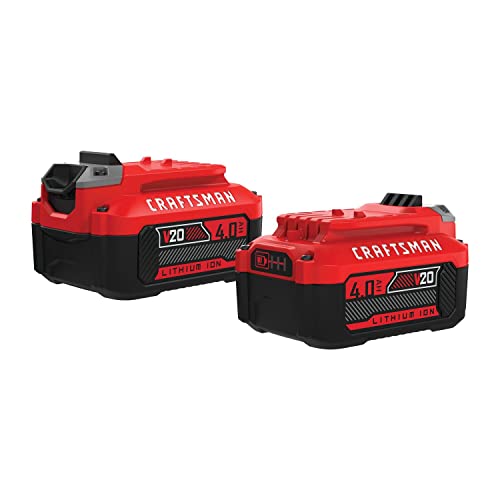
Craftsman V20 4.0 Ah Battery
Craftsman’s V20 battery offers an affordable entry point for homeowners who need a battery for their cultivator. It provides adequate power for small tasks and is compatible with the Craftsman V20 system. While not the most powerful, it gets the job done for light gardening.
Pros
- Low price
- Lightweight
- Simple to use
Cons
- Shorter runtime
- Less powerful than higher voltage models
Side by side
| # | Model | Voltage | Best for | Score | Price |
|---|---|---|---|---|---|
| 1 | Greenworks 40V 4.0 Ah Battery | 40V | Balanced performance for small to medium gardens | 9.4 | Check price |
| 2 | EGO Power+ 56V 5.0 Ah Battery | 56V | Long runtime and high power for demanding tasks | 9.2 | Check price |
| 3 | Ryobi 40V 4.0 Ah Battery | 40V | Homeowners already in the Ryobi ecosystem | 9.0 | Check price |
| 4 | DeWalt 20V MAX 5.0 Ah Battery | 20V MAX | DIYers with DeWalt tools who need a compact battery | 8.8 | Check price |
| 5 | Makita 18V LXT 5.0 Ah Battery | 18V | Makita tool owners seeking dependable power | 8.6 | Check price |
| 6 | Milwaukee M18 5.0 Ah Battery | 18V | Heavy duty use with Milwaukee tools | 8.5 | Check price |
| 7 | Craftsman V20 4.0 Ah Battery | 20V | Budget conscious homeowners with Craftsman tools | 8.0 | Check price |
Good to know
Can I use any battery with my cultivator?
No, you should only use batteries that are specifically designed for your cultivator’s brand and voltage. Using an incompatible battery can damage the tool or cause safety hazards.
What is the difference between 20V and 40V batteries for cultivators?
A 40V battery generally provides more power, allowing the cultivator to dig into harder soil more easily. A 20V battery is lighter and may be sufficient for soft, well prepared soil or small areas.
How long does a cultivator battery last on a single charge?
Runtime depends on the battery capacity, soil conditions, and the cultivator’s power draw. A 4.0 Ah battery might last 30 to 60 minutes of continuous use, while higher capacity batteries can last longer.
Is it okay to leave my battery on the charger overnight?
Most modern chargers have smart features that prevent overcharging, but it is generally not recommended. Unplugging once fully charged can prolong battery lifespan.
How should I store my battery during winter?
Store the battery in a cool, dry place away from extreme temperatures. Ideally, keep it at around 50% charge and recharge it every few months to maintain health.
Why does my battery run out faster than expected?
Several factors, including cold weather, heavy soil, and a worn battery, can reduce runtime. Also, using the cultivator at full throttle continuously drains the battery more quickly.
Can I use a higher amp hour battery to get more power?
A higher amp hour battery increases runtime but does not increase power output. The voltage remains the same, so the cultivator will operate at the same power level, just for a longer time.
What is the lifespan of a lithium ion battery?
Lithium ion batteries typically last for 2 to 4 years with regular use, or about 500 to 1000 charge cycles. Proper care can extend their life.
Are there any safety tips for using cultivator batteries?
Always inspect the battery for damage before use. Avoid exposing it to water or extreme heat. Use only the correct charger and store the battery away from flammable materials.
Do all batteries come with a charger?
No, many batteries are sold separately without a charger. Check the product listing to see if a charger is included or if you need to purchase one separately.
Our take
For most homeowners, the Greenworks 40V 4.0 Ah battery is the best choice because it offers a great balance of power, runtime, and weight at a reasonable price. If you have a large garden or tough soil, the EGO Power+ 56V 5.0 Ah battery is worth the investment for its superior performance. Stick with the battery brand that matches your cultivator to ensure compatibility and reliability.