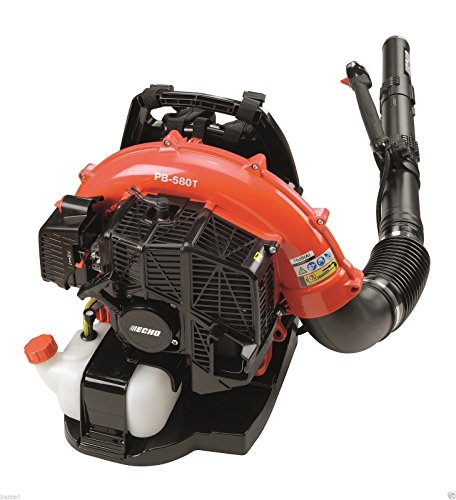
Top Leaf Blower Batteries for Landscaping Work
For most landscaping professionals, the Greenworks Pro 80V battery stands out as the top pick because it delivers high capacity and consistent power across a range of blowers. Its main advantage is the excellent balance between weight and runtime, though it is pricier than entry-level options. A key limitation is that it only works with Greenworks Pro tools, so it is not a universal solution.
Choosing the right battery for your leaf blower can be the difference between finishing a job and running out of power mid-drive. Landscapers need batteries that offer long runtime, fast charging, and durability. We compared the most popular models on the market to help you make an informed choice.
Each battery below is evaluated for its compatibility with specific blower brands, its capacity (Ah), voltage, and how it performs under continuous load. We also considered user feedback from owners who use these batteries daily.
Our top picks

Greenworks Pro 80V 4.0Ah Battery
The Greenworks Pro 80V battery is designed for heavy-duty use, offering a high capacity that supports extended runtime for large properties. It works with a full line of 80V tools, making it a versatile choice for landscapers. Owners report that it holds charge well and delivers consistent power until the last drop.
Pros
- Long runtime suitable for commercial jobs
- Lightweight for its capacity
- Durable build withstands drops
Cons
- Premium price point
- Only works with Greenworks Pro tools

EGO Power+ 56V 5.0Ah Battery
EGO’s 56V battery is a favorite among homeowners and pros using EGO blowers. It features a fuel gauge and overload protection. Users say it provides ample runtime for typical residential landscaping and recharges quickly. The battery is known for its longevity over many charge cycles.
Pros
- High capacity for longer sessions
- Quick recharge
- Integrated fuel gauge
Cons
- Heavier than some competitors
- Expensive

DeWalt 20V MAX 6.0Ah Battery
DeWalt’s 20V MAX battery is a versatile option for those already invested in the DeWalt ecosystem. It offers a decent runtime for handheld blowers and is compatible with hundreds of tools. Owners appreciate its reliability and the fact that it fits many existing tools they own.
Pros
- Wide compatibility across DeWalt tools
- Good runtime for handheld blowers
- Reliable performance
Cons
- Lower voltage may not suit commercial use
- Bulky design

Makita 18V LXT 5.0Ah Battery
Makita’s 18V LXT battery is a staple for many professionals. It provides consistent power and has a compact design that reduces fatigue during prolonged use. Users report that it is durable and holds up well in various weather conditions, making it a reliable choice for landscaping.
Pros
- Lightweight and ergonomic
- Fast charging
- Proven durability
Cons
- Not ideal for heavy-duty commercial jobs
- Requires adapter for some blowers

Ryobi 40V 6.0Ah Battery
Ryobi’s 40V battery offers a great balance of price and performance for DIY landscapers. It works with a wide range of Ryobi 40V tools, including several leaf blowers. Owners say it provides sufficient runtime for average-sized yards and is a cost-effective replacement option.
Pros
- Affordable price point
- Large capacity for the price
- Works with many Ryobi tools
Cons
- Longer charge time
- Build quality not as robust as premium brands
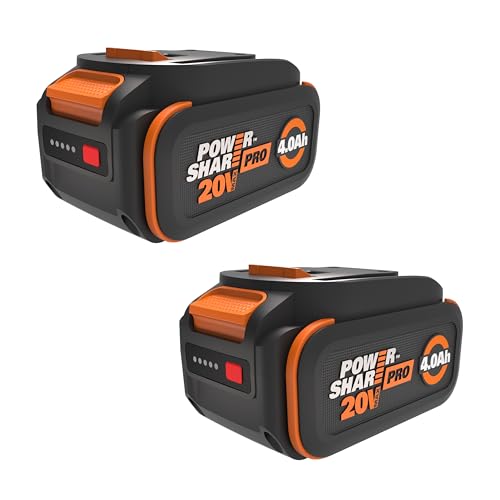
WORX 20V 5.0Ah Battery
WORX’s 20V battery is a solid choice for homeowners using WORX blowers and other tools. It is part of the PowerShare system, meaning one battery works across all WORX 20V tools. Users find it adequate for light to medium tasks and appreciate the ability to share batteries across their equipment.
Pros
- PowerShare system offers flexibility
- Compact and lightweight
- Reasonable price
Cons
- Limited to WORX tools
- Not for heavy commercial use

Craftsman V20 4.0Ah Battery
Craftsman’s V20 battery is a budget-friendly option for those using Craftsman leaf blowers. It provides decent power for light residential use and is compatible with a wide range of Craftsman V20 tools. Owners mention that it is a good replacement battery that gets the job done without breaking the bank.
Pros
- Low cost
- Compatible with many Craftsman tools
- Simple to use
Cons
- Shorter runtime than larger capacities
- Less durable casing
What matters most
How they stack up
| # | Model | Voltage | Best for | Score | Price |
|---|---|---|---|---|---|
| 1 | Greenworks Pro 80V 4.0Ah Battery | 80V | Best overall for runtime and power balance | 9.4 | Check price |
| 2 | EGO Power+ 56V 5.0Ah Battery | 56V | Best for EGO blowers with high power output | 9.2 | Check price |
| 3 | DeWalt 20V MAX 6.0Ah Battery | 20V | Best for DeWalt blowers and multi-tool use | 8.9 | Check price |
| 4 | Makita 18V LXT 5.0Ah Battery | 18V | Best for Makita blowers needing lightweight power | 8.7 | Check price |
| 5 | Ryobi 40V 6.0Ah Battery | 40V | Best value for Ryobi owners | 8.5 | Check price |
| 6 | WORX 20V 5.0Ah Battery | 20V | Best for WORX blowers with interchangeable batteries | 8.3 | Check price |
| 7 | Craftsman V20 4.0Ah Battery | 20V | Best for Craftsman blowers on a budget | 8.0 | Check price |
Common questions
Can I use any battery with my leaf blower?
No, batteries are typically brand-specific and sometimes tool-specific. Always use the battery recommended by the manufacturer to ensure safety and performance.
What does voltage mean for a leaf blower battery?
Voltage indicates the power potential. Higher voltage blowers generally produce more airspeed and volume. For example, an 80V blower is more powerful than a 20V one.
How long does a leaf blower battery last on a single charge?
It varies based on capacity, blower efficiency, and usage. A 4.0Ah battery might last 20 to 30 minutes under heavy load, while a 6.0Ah could last 40 to 50 minutes. Check user reports for specific models.
Is it worth buying a higher Ah battery?
If you need longer runtime, yes. But higher Ah batteries are heavier and more expensive. Evaluate your needs. For occasional use, a standard capacity may suffice.
Can I use a battery from one brand on another brand’s blower?
Generally no. Batteries have different voltages and connectors. Using a mismatched battery can damage the tool and void warranties.
How should I store my leaf blower battery?
Store in a cool, dry place away from direct sunlight. Avoid extreme temperatures. If storing for a long period, charge it to about 50% capacity.
Why does my battery run out quickly?
Several factors: age, cold weather, heavy usage, or a blower that draws high current. If the battery is old, it may need replacement. Also, ensure it is fully charged before use.
Are there universal batteries for leaf blowers?
There are aftermarket universal batteries, but they may not offer the same reliability or performance. It is safer to stick with OEM batteries to avoid compatibility issues.
What is the lifespan of a lithium-ion battery?
Typically 3 to 5 years or 500 to 1000 charge cycles. Proper care can extend it. Avoid fully draining and overcharging.
Can I use a higher voltage battery on a lower voltage blower?
No, using a higher voltage battery can overload the motor and cause damage. Always match the voltage to the tool’s specifications.
Final word
For professional landscapers, the Greenworks Pro 80V 4.0Ah battery is the standout choice due to its excellent runtime and power. If you own EGO equipment, the EGO Power+ 5.0Ah is the best pick for its reliability. For budget-conscious homeowners, the Ryobi 40V 6.0Ah offers great value. Ultimately, choose the battery that matches your blower brand and job demands.