A Brain Teaser Should Challenge, Not Frustrate Beginners
Coogam’s Wooden Blocks set suits young beginners still learning shape logic. Adults new to puzzling do better with Hanayama’s Level 1 cast puzzle, and families get the most mileage from SmartGames’ IQ Puzzler Pro.
A puzzle rated above a beginner’s skill gets abandoned fast, and one rated too low gets solved once and forgotten.
Difficulty scaling and build material decide which teasers hold attention, so specs and owner feedback on wear guided these picks.
Before you buy
What to look for in a beginner brain teaser Age-appropriate difficulty matters more than puzzle type when a solver is new. A teaser rated far above someone’s current skill causes frustration before any learning happens. Material shapes longevity too, since wood and metal outlast thin plastic or cardboard under repeated handling.
Which brain teasers suit young children versus adults Large, simple pieces like the Melissa & Doug peg puzzles build fine motor skills before logic skills for young children. Teens and adults new to puzzling benefit from a rated difficulty system, such as Hanayama’s Level 1 cast puzzles, so expectations match the challenge from the start. Choking hazard is the deciding factor for any puzzle with small metal or plastic parts.
Puzzles that keep scaling as skill improves Built-in progression, like SmartGames’ 120-challenge booklet or ThinkFun’s 60 difficulty cards, lets one product serve a beginner for months rather than being solved once and shelved. Solo learners without a group to compare notes with benefit most from this structure. Multi-puzzle wooden bundles offer similar variety for less, though the difficulty labeling is looser.
Best picks for family game nights SmartGames’ IQ Puzzler Pro works well when a household wants one product to fit mixed skill levels. Sliding block puzzles like Rush Hour also translate to group settings, since a turn takes seconds and needs no reading. Wooden multi-puzzle bundles suit families who want to sample several styles before settling on one.
The top picks, ranked
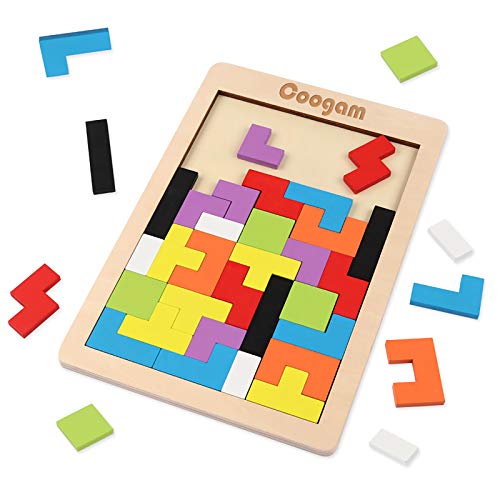
Coogam Wooden Blocks Puzzle Brain Teasers
Multiple wooden puzzles ship in one set, arranged by rising difficulty so beginners advance without buying a second product. Solid beechwood resists the chipping that painted plastic shows after months of handling. A printed solution card comes with each puzzle for solvers who get stuck.
Pros
- Multiple difficulty levels in one set
- Solid wood resists chipping over time
- Solution cards prevent total frustration
Cons
- Some pieces are small enough to be a choking hazard for young children
- Wood finish can show wear after years of handling

Hanayama Cast Puzzle Beginner Level 1 Set
Hanayama grades its cast puzzles from 1 to 6, and this set stays fixed at level 1 for true newcomers. Cast zinc gives it more heft than a plastic disentanglement puzzle of similar size. Each piece fits in a pocket, making it an easy carry for commutes or waiting rooms.
Pros
- Official difficulty rating removes guesswork
- Durable metal construction holds up to daily handling
- Compact size makes it portable for travel
Cons
- Small metal pieces are not suitable for young children
- Level 1 may feel too easy for experienced puzzlers
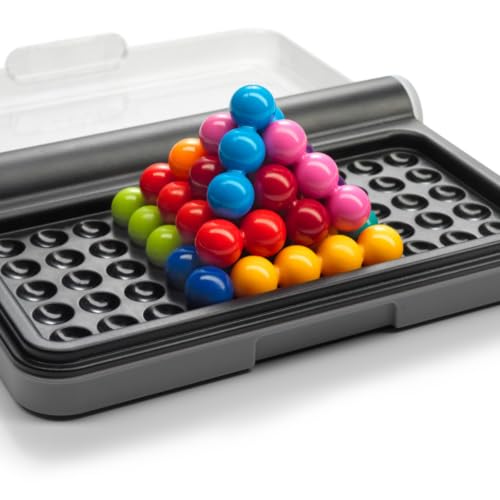
SmartGames IQ Puzzler Pro
A booklet of 120 challenges climbs from simple to advanced, so one box serves a beginner child and a more experienced parent at once. The case snaps shut for travel without shedding pieces. Colorful plastic parts are sized large enough to avoid choking risk for younger kids.
Pros
- 120 challenges scale from beginner to advanced
- Snap-shut case prevents lost pieces during travel
- Large pieces are safer for younger children
Cons
- Plastic construction feels less premium than wood or metal
- Booklet-based challenges can wear out with heavy use

ThinkFun Rush Hour Traffic Jam Logic Game
Players slide cars to clear a path for the red car, working through 60 cards ranging from beginner to expert. No reading is required, since the sliding mechanic teaches sequential planning visually. A built-in tray keeps every card and car contained between sessions.
Pros
- 60 challenge cards provide long-term replay value
- Teaches planning skills without reading requirements
- Built-in storage keeps small pieces organized
Cons
- Plastic grid can loosen with very frequent use
- Higher difficulty cards may frustrate true beginners

Bepuzzled Original 3D Crystal Puzzle
Clear plastic pieces interlock into a 3D shape without glue, giving beginners a tactile change from flat jigsaw puzzles. No solution booklet ships with it, so solvers work by trial and error alone. A low piece count keeps sessions short for younger or first-time puzzlers.
Pros
- Low cost entry point into 3D puzzles
- No glue needed, so puzzles can be disassembled and redone
- Short piece count suits shorter attention spans
Cons
- No solution guide included if solvers get stuck
- Clear plastic pieces can be harder to distinguish visually

Melissa & Doug Wooden Peg Puzzles Set
Oversized wooden pegs make each piece easy to grasp for kids still building fine motor skills. Every puzzle sticks to one simple theme, avoiding the overwhelm a multi-step teaser can cause at this age. Solid wood survives repeated drops and chewing better than cardboard alternatives.
Pros
- Large knobs suit developing fine motor skills
- Simple single-theme design avoids overwhelming beginners
- Wood construction survives drops better than cardboard
Cons
- Too simple for children past early puzzle stages
- Limited challenge growth compared to multi-level sets

Fun in a Box Wooden Brain Teaser Puzzle Set
Six distinct wooden puzzle types ship in one bundle, so beginners get variety without buying separate products. Difficulty varies across the set, letting solvers finish easier puzzles first and progress naturally. A drawstring bag stops pieces from scattering between uses.
Pros
- Six puzzle types offer variety for one price
- Natural difficulty progression across the set
- Drawstring bag keeps pieces from getting lost
Cons
- Individual puzzle quality varies more than single-focus sets
- No printed solutions included for harder puzzles in the bundle
The lineup, side by side
| # | Model | Material | Best for | Score | Price |
|---|---|---|---|---|---|
| 1 | Coogam Wooden Blocks Puzzle Brain Teasers | Beechwood | Best overall | 9.0 | Check price |
| 2 | Hanayama Cast Puzzle Beginner Level 1 Set | Cast zinc alloy | Best for adults | 8.8 | Check price |
| 3 | SmartGames IQ Puzzler Pro | Plastic | Best for families | 8.7 | Check price |
| 4 | ThinkFun Rush Hour Traffic Jam Logic Game | Plastic cars and grid | Best for problem-solving skills | 8.6 | Check price |
| 5 | Bepuzzled Original 3D Crystal Puzzle | Clear plastic | Best budget | 8.2 | Check price |
| 6 | Melissa & Doug Wooden Peg Puzzles Set | Solid wood | Best for young children | 8.4 | Check price |
| 7 | Fun in a Box Wooden Brain Teaser Puzzle Set | Wood | Best value multi-puzzle set | 8.3 | Check price |
Questions worth asking
What is the best brain teaser for beginners?
The Coogam Wooden Blocks set works well for most true beginners since it includes multiple difficulty levels in one purchase.
What age are brain teaser puzzles good for?
It depends on the type. Most beginner sets start around age 6, while metal disentanglement puzzles suit teens and adults better.
Are wooden or plastic brain teasers better for beginners?
Wooden puzzles generally hold up longer under repeated handling, while plastic sets stay lighter and cost less to produce.
Can brain teasers actually help with problem-solving skills?
Puzzles like Rush Hour teach sequential planning and logic, skills that carry over to other structured problem-solving tasks.
What is the easiest Hanayama cast puzzle to start with?
Hanayama rates its cast puzzles from 1 to 6, and the beginner Level 1 set is the easiest starting point for adults.
Are brain teasers safe for young children?
Puzzles with small metal or plastic pieces pose a choking risk, so young children need large-piece wooden puzzles instead.
Do beginner brain teasers come with solutions?
Some do, like Coogam’s wooden set, while others, like the 3D crystal puzzle, expect solvers to rely on trial and error.
Which brain teaser is best for a family game night?
SmartGames’ IQ Puzzler Pro works well for families since its 120 challenges scale from easy to advanced across skill levels.
What is a good first brain teaser for an adult who never puzzles?
Hanayama’s Level 1 cast puzzle sets a clear expectation from the first attempt, thanks to its official 1 to 6 difficulty rating.
How many pieces should a beginner brain teaser have?
Fewer pieces suit true beginners best. Sets like the 3D crystal puzzle keep piece counts near 40 to shorten each session.
Final word
Beginners of most ages get the most out of the Coogam Wooden Blocks set, since its built-in difficulty range grows alongside the solver. Adults new to puzzling specifically should start with Hanayama’s rated Level 1 cast puzzle instead, since its official difficulty scale sets clear expectations from the first attempt.