Best Beginner FPV Drones for 2026: Easy to Fly and Ready to Crash
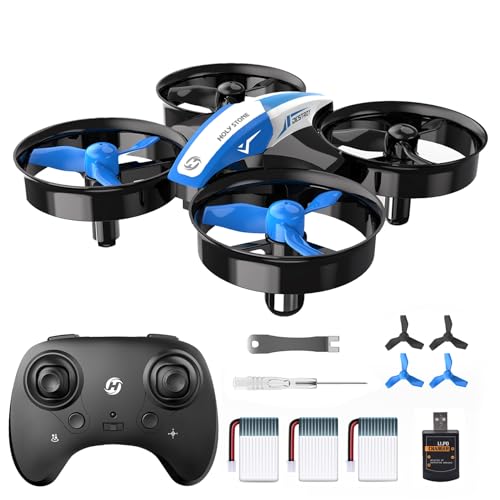
The BetaFPV Cetus X is the best beginner FPV drone. It is ready to fly out of the box, includes a simulator, and has a durable frame. Its main limitation is the short flight time of about 5 minutes, but that is typical for its class.
Learning to fly FPV drones is thrilling but can be intimidating. The right beginner drone makes the process fun and less costly. We looked at models that are durable, have safety features, and come with everything you need to start.
Our picks include ready-to-fly kits, camera drones for those who want to record, and tiny whoops for indoor practice. Each has its strengths, so you can choose based on your space and goals.
Our top picks

BetaFPV Cetus X RTF Kit
The BetaFPV Cetus X is a ready-to-fly kit that includes the drone, a LiteRadio 2 SE transmitter, VR02 goggles, batteries, and a simulator cable. It has two flight modes: altitude hold for beginners and acro for when you are ready to progress. The propeller guards and carbon frame make it resistant to crashes.
Pros
- Ready to fly with goggles and radio
- Durable carbon frame and prop guards
- Two flight modes for skill progression
Cons
- Short battery life
- Goggles are basic

DJI Avata 2 (Fly More Combo)
The DJI Avata 2 is a camera drone with FPV capabilities. It features motion control for easy flying and a high-quality 4K camera. Its propeller guards and emergency brake make it safer for beginners. The Fly More Combo includes extra batteries and a charging hub.
Pros
- Excellent video quality
- Long flight time
- Multiple safety features including emergency brake
Cons
- Expensive
- Not as agile as racing drones
EACHINE E010S
The EACHINE E010S is a tiny whoop that is perfect for flying indoors. It is small, lightweight, and has propeller guards for safety. It can bind to many transmitters, making it a good choice for those who already have a radio.
Pros
- Very affordable
- Great for indoor practice
- Durable and safe with prop guards
Cons
- No goggles included
- Limited range (under 100 meters)
GEPRC Smart16S
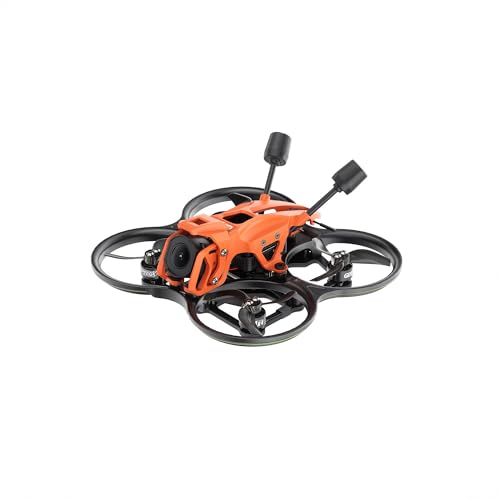
The GEPRC Smart16S is a sub-250g drone that includes GPS. It has a return-to-home function and is stable in light winds. It comes with a controller and goggles in the RTF kit. The HD camera records at 1080p.
Pros
- GPS return-to-home adds safety
- HD video recording
- Compact and portable
Cons
- Requires outdoor space
- Smaller than standard 5-inch quads
EACHINE EAT06
The EACHINE EAT06 is a ready-to-fly camera drone with a 4K camera. It has altitude hold and headless mode, which are helpful for beginners. The drone is larger than tiny whoops and can handle some outdoor wind.
Pros
- Stable in hover
- Longer flight time
- Includes camera
Cons
- Not true FPV (uses phone)
- Limited acro capability

BetaFPV Cetus Pro
The BetaFPV Cetus Pro is similar to the Cetus X but includes a built-in HD camera and a more complete kit. It has altitude hold and acro modes. The kit includes goggles, radio, and a simulator cable.
Pros
- High-quality video recording
- Complete kit
- Durable design
Cons
- Shorter flight time
- No GPS

Happymodel Mobula7 1S HD
The Happymodel Mobula7 1S HD is a favorite among FPV pilots. It is a tiny whoop that records in HD and is very agile. It is available as a bind-and-fly, so you need your own transmitter and goggles. It works well indoors and outdoors in calm conditions.
Pros
- Excellent performance for its size
- HD recording on a tiny whoop
- Lightweight and durable
Cons
- Requires separate purchase of radio and goggles
- Short flight time
Compared at a glance
| # | Model | Flight time | Best for | Score | Price |
|---|---|---|---|---|---|
| 1 | BetaFPV Cetus X RTF Kit | 5 minutes | Best overall for new pilots | 9.4 | Check price |
| 2 | DJI Avata 2 (Fly More Combo) | 23 minutes | Best for cinematic footage with safety features | 9.1 | Check price |
| 3 | EACHINE E010S | 4-5 minutes | Best budget tiny whoop for indoor practice | 8.5 | Check price |
| 4 | GEPRC Smart16S | 7 minutes | Best for outdoor practice with GPS | 8.8 | Check price |
| 5 | EACHINE EAT06 | 10 minutes | Best for learning with a stable camera setup | 8.2 | Check price |
| 6 | BetaFPV Cetus Pro | 5 minutes | Best for those who want a camera and beginner features | 8.9 | Check price |
| 7 | Happymodel Mobula7 1S HD | 4 minutes | Best for pilots who want a tiny whoop with HD recording | 8.7 | Check price |
What matters most
Questions worth asking
Do I need a license to fly a beginner FPV drone?
It depends on your country and the drone’s weight. In the US, drones under 250 grams may not need registration if flown for recreation, but you must follow the FAA’s safety guidelines. In the EU, you may need to register and pass an online test. Check local rules.
Can I fly FPV drones indoors?
Yes, many beginner drones are designed for indoor flight, such as tiny whoops. They have propeller guards and are lightweight. However, they can still cause damage if you crash into things, so clear the area and use a simulator first.
What is the difference between a camera drone and an FPV drone?
Camera drones like DJI’s are usually stable and have GPS, but they are not as agile. FPV drones give you a first-person view and are more maneuverable, but they often require more skill to fly. Some, like the DJI Avata, combine both.
What is a tiny whoop?
A tiny whoop is a small FPV drone with prop guards. It is typically under 100 grams and flies on small batteries. They are great for indoor practice because they are safe and durable.
How long does it take to learn to fly FPV?
With consistent practice in a simulator, most people can hover and fly basic patterns within a few hours. Mastering acro mode takes more time. Starting with altitude hold can build confidence.
What is the difference between altitude hold and acro mode?
Altitude hold automatically maintains the drone’s height, making it easier to fly. Acro mode gives full manual control, requiring you to manage throttle and orientation. Beginners should start with altitude hold.
Can I use my phone as an FPV screen?
Some drones allow you to use your phone as a screen by connecting to the drone’s Wi-Fi. However, this introduces video lag and is not recommended for FPV flying. Dedicated goggles provide a better experience.
What should I do if I crash my drone?
Check for damage. Many beginner drones are durable, but you may need to replace propellers. Learn from the crash and practice more in the simulator. Always buy spare parts.
Are FPV drones loud?
Tiny whoops are relatively quiet. Larger drones make more noise. If you fly in a residential area, be mindful of noise and fly during reasonable hours.
What is the best way to practice FPV flying?
Use a simulator first. Then fly in a large, open, and safe area. Start with slow movements and gradually increase speed. Join local FPV groups for tips and support.
Our pick
For most beginners, the BetaFPV Cetus X is the clear choice. It balances cost, durability, and included gear. If you want higher video quality and safety features, consider the DJI Avata 2, but be prepared for a higher price. For those on a budget, the EACHINE E010S is a great starter. Ultimately, pick the one that fits your budget and flying space, and start practicing.