Kitten Bowls That Actually Fit a Small Cat’s Face
Necoichi Raised Cat Food Bowl fits kittens best because its shallow tilted well clears whiskers while the low stand suits a short neck. Dr. Catsby stainless bowl wipes clean fastest, and Van Ness Ecoware is the sturdy budget dish that resists sliding.
A growing kitten does best with the Necoichi Raised Cat Food Bowl, which pairs a wide shallow well with a gently raised base sized for a small body. Dr. Catsby suits owners who want dishwasher-safe stainless steel every day, and Van Ness Ecoware keeps costs low without sliding across the floor.
Most cat dishes on the market are sized for adult cats, which makes kitten bowls harder to pick than they look. A deep narrow bowl presses on whisker beds. A tall stand forces an awkward reach for a kitten that is still short. A light plastic dish slides across tile the moment play starts. We compared rim width, well depth, base grip and material hygiene, and weighed heavily what owners report about food pushing, tipping and messy edges during the first year.
What matters most
What bowl shape works best for a kitten? Width solves the problem that depth cannot: whiskers are packed with nerve endings, and repeated contact with a narrow wall becomes uncomfortable fast. A broad, shallow dish lets a kitten eat with its whiskers in free air. Kibble scattered around the bowl is usually the first visible sign the shape is wrong. Switching to a wider dish fixes it within a few meals for most cats.
Should a kitten’s bowl be raised or low? Elevated bowls suit adult cats by keeping the neck in a natural line, but a twelve-week-old kitten is much shorter. A tall stand forces an awkward reach at that age. Start low, watch posture as the kitten grows, and move to a raised bowl once it stands comfortably over the dish. Many households simply keep both and switch around six months.
Which material is easiest to keep clean? Stainless steel and glazed ceramic resist the fine scratches that hold bacteria, unlike plastic. Plastic is cheap and quiet, but some cats develop chin irritation around scratched plastic dishes. Wash wet food bowls after every meal regardless of material, since a kitten’s immune system is still developing. Dry food bowls need at least a daily rinse.
Where should kitten bowls go, and how many? Cats generally prefer water away from food, so a separate water station elsewhere in the room is worth trying if a kitten drinks little. Keep bowls well clear of the litter tray. Multi-cat households need one station per cat plus a spare, so meals never turn into a standoff. A washable mat under the bowl saves the floor and cuts cleanup to seconds.
What we recommend

Necoichi Raised Cat Food Bowl
A shallow tilted ceramic well gathers food toward the low edge, so a kitten clears the dish without dragging whiskers along a wall of ceramic. The stand sits lower than feeders built for adults, which matches a kitten’s shorter frame. Ceramic weight keeps the bowl from sliding during eager meals.
Pros
- Wide shallow well keeps whiskers clear
- Tilt gathers the last bites in one place
- Ceramic weight resists pushing
Cons
- Ceramic will chip if dropped on tile
- Small capacity means refilling more often
Dr. Catsby Cat Food Bowl for Whisker Relief
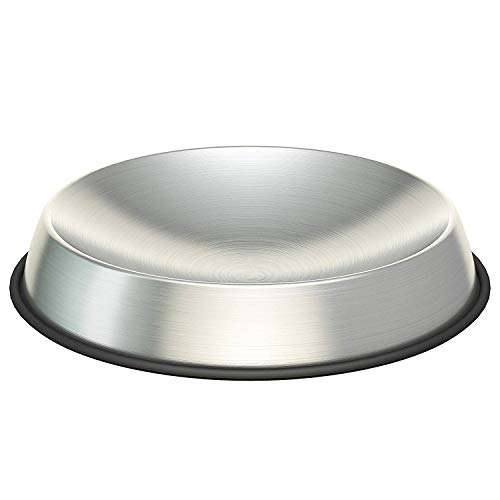
A wide, flat stainless dish sits in a non-slip silicone base built around the whisker fatigue problem. Stainless steel stays genuinely clean between washes, which matters when a kitten eats wet food several times a day. The silicone mat catches scattered kibble instead of letting it roll under the fridge.
Pros
- Nothing to absorb odours or stain
- Silicone base stops the dish traveling
- Very wide rim clearance for whiskers
Cons
- Metal can rattle on a hard floor
- Flat profile means wet food spreads thin
Van Ness Ecoware Non-Skid Cat Dish
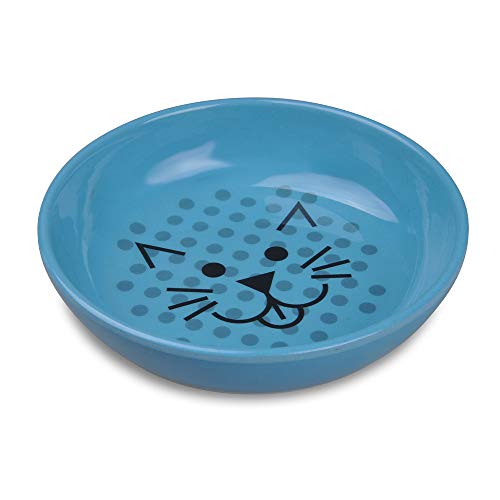
This heavy, plant-based composite dish keeps a wide low profile that a kitten reaches without stretching. Density beats standard plastic bowls, so it holds position through enthusiastic eating. Its shallow well makes a sensible first bowl before you know whether your kitten prefers ceramic or steel.
Pros
- Much heavier than typical plastic dishes
- Low height suits very young kittens
- Inexpensive enough to buy several
Cons
- Composite surface scratches over time
- Scratches can hold odours if not cleaned well

Y YHY Ceramic Elevated Cat Bowls
A tilted ceramic bowl sits on a taller stand that suits a kitten once it stands higher at a few months old. The wide mouth and sloped interior keep food within reach without deep sides. Owners report their cat sticks with this bowl into adulthood, making it a sensible second purchase.
Pros
- Comfortable posture as the kitten grows
- Heavy enough to resist pushing
- Easy to wipe clean between wet meals
Cons
- Too tall for a very small kitten
- Heavier to lift and wash than steel

UPSKY Double Cat Bowl
Two shallow bowls sit at an angle inside a single raised frame, keeping a feeding station tidy in a small apartment. Both bowls lift out for washing, so the frame never traps old food. Some cats refuse to eat and drink side by side, so watch whether your kitten actually uses both wells.
Pros
- Keeps food and water in one tidy footprint
- Removable bowls are simple to clean
- Angled wells reduce whisker contact
Cons
- Some cats will not drink beside their food
- Lightweight frame can slide on smooth floors

PetFusion Premium Elevated Cat Bowl
A wide steel insert sits inside a solid elevated frame that stays still while a kitten eats. Generous bowl diameter spreads kibble out instead of piling it, which naturally slows fast eaters. Substantial weight makes this the least likely bowl here to get shoved around during play.
Pros
- Essentially immovable during meals
- Wide diameter slows fast eating
- Steel insert cleans thoroughly
Cons
- Bulkier than a simple dish
- Frame height suits older kittens better

Petmate Stainless Steel Pet Bowl
A plain stainless dish with a rubber ring on the base works well as a spare bowl that is always clean and ready. Extra depth compared with a dedicated whisker-friendly dish suits water better than wet food. At this price it is worth keeping two in rotation.
Pros
- Hygienic and effectively indestructible
- Rubber ring keeps it quiet and stable
- Cheap enough to own several
Cons
- Deeper sides than a whisker friendly dish
- Plain shape does not gather the last bites
Side by side
| # | Model | Material | Best for | Score | Price |
|---|---|---|---|---|---|
| 1 | Necoichi Raised Cat Food Bowl | Ceramic with raised base | Best overall | 9.4 | Check price |
| 2 | Dr. Catsby Cat Food Bowl for Whisker Relief | Stainless steel with silicone mat | Best for easy cleaning | 9.2 | Check price |
| 3 | Van Ness Ecoware Non-Skid Cat Dish | Plant based composite | Best value | 9.0 | Check price |
| 4 | Y YHY Ceramic Elevated Cat Bowls | Ceramic on a raised stand | Best for older kittens | 8.7 | Check price |
| 5 | UPSKY Double Cat Bowl | Plastic frame with removable bowls | Best for food and water together | 8.5 | Check price |
| 6 | PetFusion Premium Elevated Cat Bowl | Stainless insert in a moulded frame | Best for slow feeding | 8.2 | Check price |
| 7 | Petmate Stainless Steel Pet Bowl | Stainless steel | Best budget backup | 8.0 | Check price |
Good to know
What bowl depth is right for a kitten?
Shallow, closer to a saucer than a cereal bowl. The goal is for a kitten to reach food without pressing whiskers or cheeks against the sides. Width does the work depth would otherwise do, so a broad dish holds enough food without ever being deep.
Do kittens need an elevated bowl?
Not at first. Very young kittens are short enough that a raised bowl makes eating awkward. Start with a low, stable dish, then move to a modestly elevated one once the kitten has grown into it, usually around six months.
Is plastic safe for kitten food bowls?
It is used widely, but stainless steel and ceramic stay easier to clean because they resist the surface scratches that harbour bacteria. Some cats also show chin irritation with plastic dishes. Replace a plastic bowl once its surface looks scuffed.
Why does my kitten paw food out of the bowl?
It is usually a comfort issue rather than play. Whisker contact, a bowl that is too deep, or a dish sliding during meals can all cause it. Switching to a wider, heavier, shallower bowl resolves it for most owners.
Should kitten food and water bowls sit side by side?
Many cats prefer them apart, likely tied to instinctively avoiding water near a food source. If a kitten drinks very little, moving the water bowl to another spot in the room is the cheapest fix to try first.
How often should you wash a kitten’s bowl?
Wet food bowls after every meal, dry food bowls at least once a day. Water bowls should be emptied, rinsed and refilled daily rather than topped up. Kittens are more vulnerable to stomach upsets than adult cats, so hygiene matters more in the first year.
How many bowls do two kittens need?
Plan on one feeding station per kitten plus one extra, positioned apart rather than side by side. This stops one kitten guarding the food and lets a slower eater finish undisturbed. The same rule applies to water.
Will a kitten outgrow its first bowl?
The bowl itself often still works, but the ideal height changes as the kitten grows. Many owners keep the original low dish for water and add a slightly raised bowl for food later. A wide shallow shape stays correct at every age.
Our take
Necoichi Raised Cat Food Bowl suits most kittens because it solves whisker contact and posture together without sitting too tall for a small cat. Dr. Catsby stainless bowl fits owners who wash bowls daily and want the fastest cleanup. Van Ness Ecoware covers the basics cheaply and stays put, which is exactly what a first bowl needs to do.