Top Chef Knives for Every Cook and Budget
For most home cooks, the Wusthof Classic 8-Inch Chef’s Knife is the best all-around choice because it offers a balanced, durable build that holds an edge well, though it requires regular honing to maintain peak sharpness.
A chef’s knife is the most used tool in the kitchen. It handles chopping, slicing, and dicing with ease. But not all knives are created equal. The right one depends on your cooking style, grip, and budget. We compared top-rated models from trusted brands to help you decide.
Whether you are a professional or a home cook, the perfect blade can make prep work faster and safer. Look for a knife that feels comfortable in your hand. Consider the steel type, edge angle, and handle design. Our list includes options that suit various preferences and price points.
What matters most
What we recommend
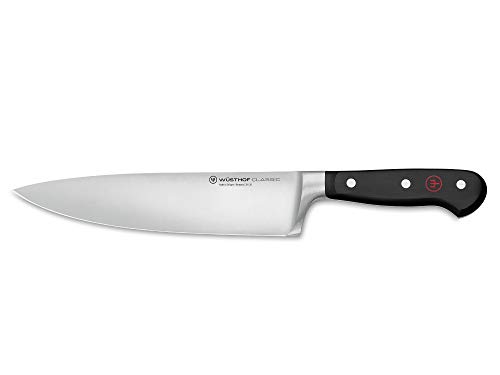
Wusthof Classic 8-Inch Chef’s Knife
This German-made knife features a high-carbon stainless steel blade that resists rust and stains. Its full tang and triple-riveted handle provide excellent balance. Owners report it retains its edge well, though regular honing is needed. The classic shape handles most kitchen tasks with ease.
Pros
- Excellent edge retention
- Comfortable, secure grip
- Lifetime warranty
Cons
- Heavier than some Japanese knives
- Requires regular honing

Zwilling J.A. Henckels Pro 8-Inch Chef’s Knife
Zwilling’s Pro series offers a unique handle that promotes a pinch grip. The blade is made from special formula steel, which is ice-hardened for flexibility and corrosion resistance. Users like the knife’s lightweight feel and how it reduces hand fatigue during long prep sessions.
Pros
- Ergonomic handle reduces fatigue
- Lightweight and agile
- Rocker shape for easy mincing
Cons
- Handle may feel too thin for large hands
- Edge could be sharper out of the box

Shun Classic 8-Inch Chef’s Knife
Shun Classic uses VG-MAX steel, a high-carbon alloy that takes a razor-sharp edge. The D-shaped handle fits comfortably in either hand. This knife is lighter and thinner than German counterparts, making it ideal for precise vegetable work. It also features a beautiful Damascus pattern.
Pros
- Extremely sharp out of box
- Beautiful design
- Lightweight for precision cuts
Cons
- More expensive
- Blade is more brittle, avoid bones

Mercer Culinary M21080 Genesis 8-Inch Chef’s Knife
Mercer Genesis is a favorite among culinary students and value seekers. It features a high-carbon German stainless steel blade that is stamped for consistency. The handle is textured for a non-slip grip, even when wet. It performs well above its price range.
Pros
- Affordable price
- Non-slip handle
- Dishwasher safe (though hand wash recommended)
Cons
- Edge dulls faster than pricier knives
- Not full tang (but still sturdy)

Global G-2 8-Inch Chef’s Knife
Global knives are crafted from a single piece of steel, making them seamless and hygienic. The G-2 is lightweight and nimble, ideal for cooks who prefer a quick, precise style. The dimpled handle provides a secure grip, and the blade is very sharp.
Pros
- Very light and agile
- Seamless design prevents bacteria buildup
- Sharp blade out of the box
Cons
- Handle can feel slippery when oily
- No bolster for protection

Victorinox Fibrox Pro 8-Inch Chef’s Knife
Victorinox Fibrox Pro is a staple in many kitchens. Its high-carbon stainless steel blade is sharp and easy to maintain. The Fibrox handle is slip-resistant even when wet. Though not flashy, it delivers solid performance at a great price.
Pros
- Excellent value
- Comfortable, non-slip grip
- Lightweight and balanced
Cons
- Simple design
- May need more frequent sharpening

Zwilling J.A. Henckels Four Star 8-Inch Chef’s Knife
Four Star is a legendary line from Zwilling, offering forged blades with a classic profile. The handle is curved and comfortable, providing a secure grip. This knife is heavier than modern designs, which some cooks appreciate for balance.
Pros
- Proven design
- Rock-solid balance
- Made in Germany
Cons
- Heavier than some may like
- Handle is slippery when wet
Compared at a glance
| # | Model | Blade Length | Best for | Score | Price |
|---|---|---|---|---|---|
| 1 | Wusthof Classic 8-Inch Chef’s Knife | 8 inches | All-around durability and balance | 9.4 | Check price |
| 2 | Zwilling J.A. Henckels Pro 8-Inch Chef’s Knife | 8 inches | Modern ergonomic handle | 9.2 | Check price |
| 3 | Shun Classic 8-Inch Chef’s Knife | 8 inches | Precision cutting with Japanese edge | 9.0 | Check price |
| 4 | Mercer Culinary M21080 Genesis 8-Inch Chef’s Knife | 8 inches | Professional performance on a budget | 8.8 | Check price |
| 5 | Global G-2 8-Inch Chef’s Knife | 8 inches | Modern minimalist design and easy handling | 8.7 | Check price |
| 6 | Victorinox Fibrox Pro 8-Inch Chef’s Knife | 8 inches | Practical, affordable, and reliable | 8.5 | Check price |
| 7 | Zwilling J.A. Henckels Four Star 8-Inch Chef’s Knife | 8 inches | Traditional German craftsmanship | 8.3 | Check price |
Frequently asked questions
What is the best chef’s knife for a beginner?
The Victorinox Fibrox Pro is an excellent starting point. It is affordable, sharp, and comfortable to use. Its lightweight design helps new cooks build confidence without breaking the bank.
How often should I sharpen my chef’s knife?
Hone the blade with a steel every few uses to keep the edge aligned. Full sharpening on a whetstone is needed every few months, depending on use. If cutting feels less effortless, it is time to sharpen.
What is the difference between German and Japanese chef knives?
German knives are typically heavier, with a more robust blade that resists chipping. Japanese knives are lighter, have a harder steel, and achieve a thinner, sharper edge. They require more careful use to avoid chipping on hard foods like bones.
Is a forged knife better than a stamped one?
Forged knives are formed from a single piece of steel, making them heavier and more durable. Stamped knives are cut from a sheet, making them lighter and cheaper. Both can perform well, so choose based on your budget and preference for weight.
Can I put my chef’s knife in the dishwasher?
No. Dishwasher detergents and the heat can damage the blade and handle. Hand washing with mild soap and water is always best to preserve the knife’s quality and edge.
What size chef’s knife should I buy?
An 8-inch blade is the most versatile for most home cooks. It balances control and cutting surface. If you have large hands or do heavy chopping, a 10-inch may suit you better. For smaller hands, a 6-inch is easier to manage.
How do I know if a knife has good balance?
A well-balanced knife feels comfortable and stable in your hand. When you hold it, the point where the blade meets the handle should not feel too heavy. Try gripping the knife and letting it rest on your index finger; if it stays horizontal, it is balanced.
What is the best way to store a chef’s knife?
Store your knife in a knife block, on a magnetic strip, or in a drawer with protective sheaths. This protects the edge and prevents accidents. Never toss it loose in a drawer where it can bump against other utensils.
Our take
After comparing all seven, the Wusthof Classic is the winner for most kitchens because it blends traditional craftsmanship with modern performance. If you are on a tight budget, the Victorinox Fibrox Pro offers amazing value. For precision work, the Shun Classic is a worthy investment. Choose the one that fits your cooking habits and hand feel, and you will not be disappointed.


