Kids Sleeping Bags for Cozy Nights in the Wild
The TETON Sports Celsius Junior is our top all-round kids sleeping bag for its warmth and durable build, while the Coleman Kids 50 offers dependable comfort for less. On a tight budget, the REDCAMP Kids Sleeping Bag keeps things simple, light, and easy to wash.
The TETON Sports Celsius Junior is the best overall children’s sleeping bag thanks to its balance of warmth and toughness, with the Coleman Kids 50 close behind for comfort and value, and the REDCAMP Kids Sleeping Bag covering budget and sleepover duty. Each suits a different age range and adventure.
Kids sleeping bags are tricky because a bag that is too big leaves cold air pockets, while the wrong temperature rating leaves a child shivering or sweating. We compared these on warmth rating, fit, packed size, and washability, drawing on manufacturer specifications and parent feedback rather than personal testing.
Our top picks
TETON Sports Celsius Junior Sleeping Bag
The Celsius Junior brings grown-up construction to a kid-sized bag, with a plush lining, a draft tube along the zipper, and a warmth rating that handles cool nights. It is roomy enough to last several growth spurts. A dependable choice for regular family campers.
Pros
- Warm enough for cool-weather camping
- Durable, well-stitched build
- Roomy fit lasts as kids grow
Cons
- Bulkier packed size
- Heavier than summer-only bags

Coleman Kids 50 Sleeping Bag
Coleman’s Kids 50 is a soft, comfortable bag sized for children, with a snag-free zipper and a warmth rating suited to mild nights. Parents like the easy roll-up and the fun patterns. It is a reliable pick for campgrounds and backyard nights.
Pros
- Comfortable soft lining
- Easy for kids to roll up
- Affordable and widely available
Cons
- Only suited to milder nights
- Basic draft protection

REDCAMP Kids Sleeping Bag
The REDCAMP is a lightweight, no-fuss bag that works well for sleepovers, indoor forts, and warm-weather camping. It packs down small and washes easily, which parents appreciate after a muddy trip. A great low-cost first sleeping bag.
Pros
- Very affordable
- Light and easy to pack
- Simple to clean
Cons
- Not built for cold weather
- Smaller sizing suits younger kids
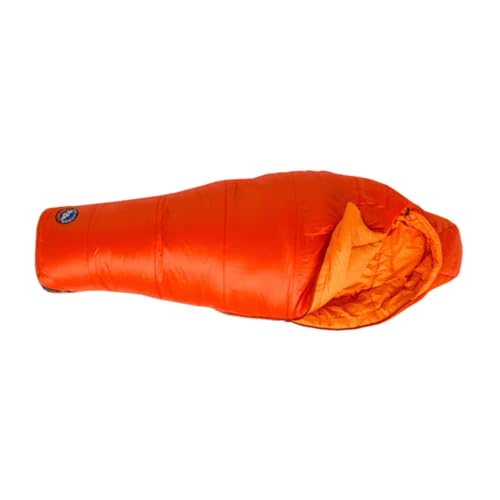
Big Agnes Little Red 15 Sleeping Bag
The Little Red 15 is a serious kids bag rated for genuinely cold nights, with an integrated pad sleeve that stops your child sliding off the mat. Thoughtful details like a soft chin guard add comfort. Ideal for families who camp in shoulder seasons.
Pros
- Warm for cold-weather trips
- Integrated pad sleeve keeps kids on the mat
- Comfortable soft interior
Cons
- Premium price
- Overkill for summer camping

Kelty Woobie 30 Kids Sleeping Bag
The Woobie 30 is a lighter, more packable bag aimed at young hikers, with a mummy-ish cut that traps warmth without excess weight. It stuffs down small for a child’s pack. A smart option for families heading beyond the car campground.
Pros
- Light and compressible
- Good warmth for the weight
- Snug, efficient shape
Cons
- Narrower cut suits smaller kids
- Mummy shape feels less roomy
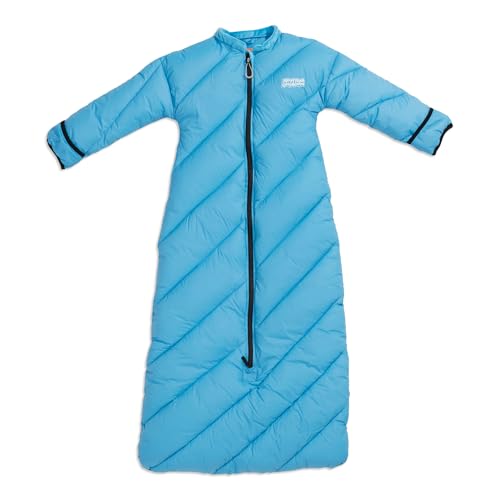
Morrison Outdoors Little Mo Wearable Sleeping Bag
The Little Mo is a wearable bag with arm and leg openings so toddlers stay covered even when they wriggle. Down insulation keeps it warm yet light. Parents of small children love that it cannot be kicked off during the night.
Pros
- Wearable design stays on
- Warm, light down fill
- Arm and leg openings for movement
Cons
- Only fits younger children
- Down care is more involved

Ohuhu Kids Sleeping Bag
The Ohuhu is a soft, comfortable bag pitched at indoor use and warm-weather camping, and it comes with a carry bag for easy transport to a friend’s house. Fun colors make it a hit with kids. A practical everyday sleeping bag for younger children.
Pros
- Soft and comfortable
- Includes a carry bag
- Fun colors kids like
Cons
- Not for cold nights
- Lightweight build wears with heavy use
How they compare
| # | Model | Temperature | Best for | Score | Price |
|---|---|---|---|---|---|
| 1 | TETON Sports Celsius Junior Sleeping Bag | Rated to around 20 F | Best overall | 9.4 | Check price |
| 2 | Coleman Kids 50 Sleeping Bag | Rated to around 50 F | Best value | 9.0 | Check price |
| 3 | REDCAMP Kids Sleeping Bag | Rated for mild nights | Best budget | 8.5 | Check price |
| 4 | Big Agnes Little Red 15 Sleeping Bag | Rated to around 15 F | Best for cold weather | 9.1 | Check price |
| 5 | Kelty Woobie 30 Kids Sleeping Bag | Rated to around 30 F | Best for backpacking | 8.8 | Check price |
| 6 | Morrison Outdoors Little Mo Wearable Sleeping Bag | Rated to around 20 F | Best for toddlers | 8.7 | Check price |
| 7 | Ohuhu Kids Sleeping Bag | Rated for mild nights | Best for sleepovers | 8.3 | Check price |
What to look for
Get the temperature rating right The number on a sleeping bag is roughly the lowest temperature at which an average sleeper stays comfortable. Kids often sleep colder than adults, so pick a rating a little warmer than the coldest night you expect. A 50 F bag suits summer campgrounds, while shoulder-season trips call for something in the 15 to 30 F range.
Size for now, with a little room to grow A bag that is far too large leaves cold air pockets around your child, while one that is too small pins their feet. Look for youth-specific sizing and buy with modest growing room rather than a full adult bag. Some models offer a cinch or fold-back foot to shorten the interior.
Match the bag to the adventure Car camping and sleepovers favor roomy, comfortable rectangular bags, while backpacking rewards a lighter, more compressible design like a mummy cut. For toddlers who wriggle, a wearable bag that cannot be kicked off is often the safest and warmest choice.
Care and cleaning matter Kids and dirt go together, so easy cleaning is a real feature. Most synthetic bags are machine washable and dry quickly, which makes them forgiving for family use. Down bags are warmer for their weight but need gentler, more careful laundering.
Good to know
What temperature rating does my child need?
For summer campgrounds a 40 to 50 F bag is plenty, while spring and fall trips call for a 15 to 30 F rating. Because kids sleep colder than adults, err toward a slightly warmer bag than the forecast suggests.
Should I buy a bigger bag so it lasts longer?
Buy with a little growing room, but avoid a full adult bag. Too much empty space leaves cold pockets that make a child feel colder, which defeats the purpose.
Are down or synthetic bags better for kids?
Synthetic bags are easier to wash, dry faster, and keep some warmth when damp, which suits messy family use. Down is lighter and warmer for its weight but needs more careful care.
What is a wearable sleeping bag?
It is a bag with arm and leg openings so a toddler can move and even walk while staying covered. Because it cannot be kicked off, it keeps small children warm through the night.
Can kids sleeping bags go in the washing machine?
Most synthetic models, including the Coleman Kids 50 and REDCAMP, are machine washable on a gentle cycle. Always check the care label, especially for down-filled bags.
How small do they pack down?
Backpacking-focused bags like the Kelty Woobie 30 compress quite small, while warmer or rectangular bags are bulkier. Check the packed size if your child will carry it themselves.
Is a sleeping pad necessary too?
For camping, yes. A pad insulates your child from the cold ground, which affects warmth as much as the bag. Some bags, like the Big Agnes Little Red, include a sleeve to hold the pad in place.
What age are these bags for?
Most youth bags suit roughly ages three to twelve depending on height, while wearable designs like the Little Mo target toddlers. Check the stated fit length against your child’s height.
Our pick
For most families the TETON Sports Celsius Junior is the best all-round children’s sleeping bag, combining real warmth with a build that survives repeated trips. The Coleman Kids 50 is a comfortable, affordable everyday option, while the REDCAMP Kids Sleeping Bag keeps sleepovers and warm nights simple on a budget.