Coffee Roasters for Home: Fresh Beans Made Easy
The Fresh Roast SR540 stands out for most home users because it offers precise control and a clear viewing chamber at a moderate price. It handles up to 4 ounces per batch. Its main drawback is the loud fan noise during roasting.
Roasting coffee at home unlocks a level of freshness that pre-ground bags cannot match. You control the roast level, from light and fruity to dark and smoky. The aroma fills your kitchen, and the taste rewards your patience.
This guide compares top-rated home roasters that consistently earn praise from owners. We focused on real-world usability, not just specs. Whether you are a beginner or a hobbyist, there is a machine here for you.
The best picks, ranked

Fresh Roast SR540 Coffee Roaster
The Fresh Roast SR540 is a fluid bed air roaster that delivers even roasts with impressive clarity. It features a 4 ounce capacity and variable heat and fan controls. Owners appreciate the visible roasting chamber and the ability to adjust profiles mid-batch. The chaff collector works well, and cleanup is simple. The main complaint is the high fan noise.
Pros
- Clear chamber to watch beans
- Adjustable heat and airflow
- Easy to clean and maintain
Cons
- Loud fan noise
- Small batch size
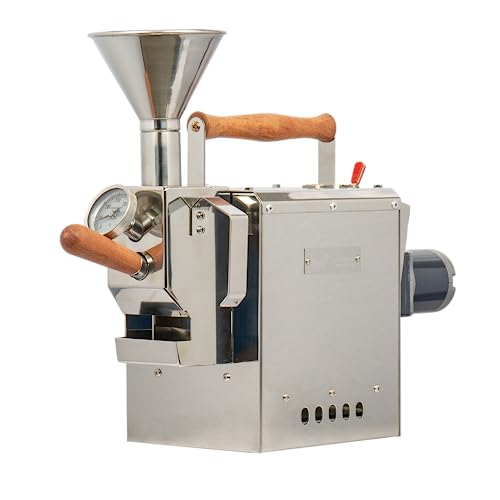
KALDI Wide Coffee Roaster
The KALDI Wide is a drum roaster that handles up to 400 grams of green beans per batch. It offers a transparent drum for viewing and a smoke reduction feature. Owners report consistent roasts with a nice development phase. The machine is sturdy and well built. It requires attention during roasting, as the drum rotates continuously.
Pros
- Large batch capacity
- Transparent drum for monitoring
- Smoke suppression technology
Cons
- Manual operation requires attention
- Bulky footprint

Behmor 1600 Plus Coffee Roaster
The Behmor 1600 Plus is a drum roaster with a 1 pound green bean capacity. It includes a built-in smoke suppression system that reduces odors and smoke. Owners love the ability to program custom roast profiles and the automatic cooling cycle. The machine is a bit complex for beginners, but the results are excellent. It also has a chaff tray that is easy to empty.
Pros
- Excellent smoke suppression
- Programmable roast profiles
- Large capacity
Cons
- Learning curve for programming
- Takes up counter space
Gene Cafe CBR-101 Home Coffee Roaster
The Gene Cafe CBR-101 is a unique drum roaster that rotates the drum in a 3D motion for even roasting. It offers precise temperature control from 122 to 482 degrees Fahrenheit. Owners praise the consistent results and the ability to replicate roasts. The machine is quiet compared to air roasters. The chaff collector is efficient, and the glass drum allows full visibility. The main downside is the price and the smaller capacity.
Pros
- Precise temperature control
- Quiet operation
- Even roast development
Cons
- Higher price point
- Smaller batch size
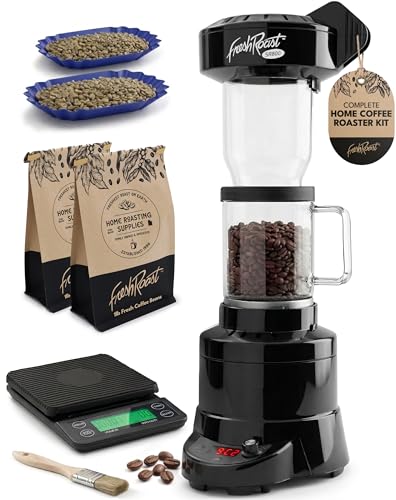
Nesco CR-1010 Fresh Roast Coffee Roaster
The Nesco CR-1010 is an affordable fluid bed roaster that offers a simple way to start home roasting. It has a 4 ounce capacity and a clear lid for viewing. Owners find it easy to use and clean. The heat settings are limited, but it does produce decent roasts. Some users note that the roast can be uneven if not stirred properly. It also produces some smoke and chaff, so place it near a window.
Pros
- Affordable price
- Easy to operate
- Compact size
Cons
- Limited heat control
- Can produce uneven roasts
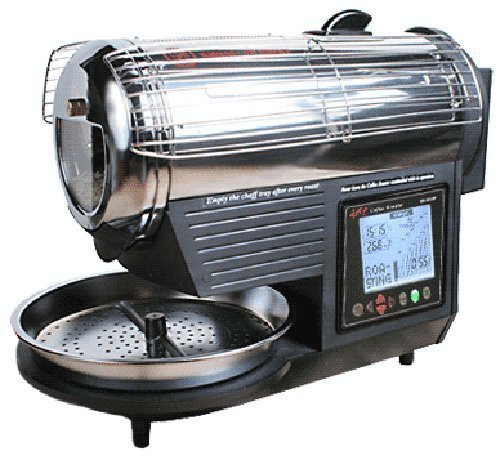
Hottop KN-8828B-2K+ Coffee Roaster
The Hottop KN-8828B-2K+ is a professional grade roaster designed for the serious home user. It offers full manual control over heat, airflow, and drum speed. The machine includes a built-in data logging system via USB. Owners appreciate the sturdy construction and the ability to create custom roast profiles. It has a larger capacity of 250 grams. The learning curve is steep, and the price is high, but the results are exceptional.
Pros
- Full manual control
- Data logging via USB
- Professional build quality
Cons
- Expensive
- Requires practice to master
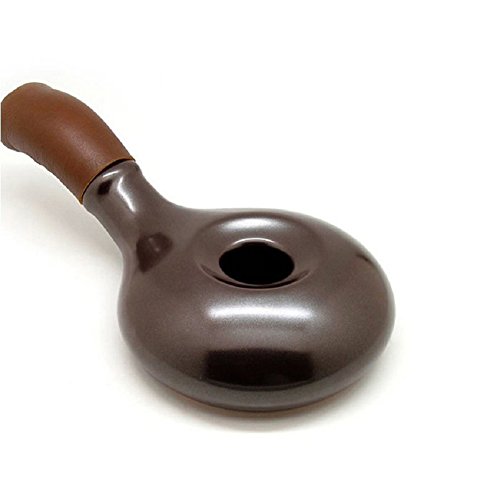
Nuvo Eco Coffee Roaster
The Nuvo Eco is a manual stovetop roaster that works on any gas or electric burner. It features a hand crank and a glass dome to watch the beans. Owners like the simplicity and the ability to roast without electricity. It is a great option for camping or small kitchens. The capacity is small, and the roast time can be longer. You need to shake it frequently to avoid scorching.
Pros
- No electricity required
- Portable and compact
- Low cost
Cons
- Small capacity
- Requires constant attention
Side by side
| # | Model | Capacity | Best for | Score | Price |
|---|---|---|---|---|---|
| 1 | Fresh Roast SR540 Coffee Roaster | 4 ounces (about 1/2 pound) | Best Overall for Home Roasters | 9.4 | Check price |
| 2 | KALDI Wide Coffee Roaster | 400 grams (about 14 ounces) | Best for Larger Batches | 8.9 | Check price |
| 3 | Behmor 1600 Plus Coffee Roaster | 1 pound (454 grams) | Best for Smoke Management | 9.1 | Check price |
| 4 | Gene Cafe CBR-101 Home Coffee Roaster | 300 grams (about 10.5 ounces) | Best for Precision Control | 9.3 | Check price |
| 5 | Nesco CR-1010 Fresh Roast Coffee Roaster | 4 ounces (about 1/2 pound) | Best Budget Option | 8.2 | Check price |
| 6 | Hottop KN-8828B-2K+ Coffee Roaster | 250 grams (about 9 ounces) | Best for Serious Enthusiasts | 9.0 | Check price |
| 7 | Nuvo Eco Coffee Roaster | 100 grams (about 3.5 ounces) | Best for Stovetop Roasting | 8.0 | Check price |
What to look for
Common questions
Is home coffee roasting cost effective?
Yes, green coffee beans cost less than roasted beans per pound. Over time, you can save money, especially if you drink a lot of coffee. However, the initial investment in a roaster can take a while to recoup.
How long does it take to roast coffee at home?
Most home roasters take between 10 and 20 minutes per batch. Air roasters are generally faster, around 10 minutes. Drum roasters may take 15 to 20 minutes. The exact time depends on the roast level and the machine.
Can I roast coffee indoors?
Yes, but be prepared for smoke. Many roasters come with smoke suppression, but it is still wise to roast near a window or under a range hood. The smoke has a distinct smell that can linger, so good ventilation is recommended.
What is the best roast level for beginners?
A medium roast is a good starting point. It offers a balanced flavor with less acidity than light roasts and less bitterness than dark roasts. It also gives you a forgiving window to stop the roast without ruining the beans.
How do I store freshly roasted coffee?
Store roasted coffee in an airtight container away from light, heat, and moisture. Use it within two weeks for the best flavor. For longer storage, you can freeze the beans in small batches, but avoid repeated thawing.
Can I use any green coffee beans?
Yes, you can roast any green coffee beans. You can buy beans from various origins and blends. Look for high quality, specialty grade beans for the best results. Avoid beans that are too old or have visible defects.
How often should I clean my coffee roaster?
You should clean the chaff collector after every roast. Wipe down the machine after each use. Deep clean the roasting chamber and any removable parts according to the manufacturer’s instructions. Regular cleaning prevents oil buildup and ensures consistent roasts.
What is the difference between first and second crack?
First crack is a popping sound when beans expand and release moisture. It marks a light roast. Second crack is a more rapid crackling sound that occurs later, indicating a medium dark to dark roast. Stopping after second crack yields a shiny, oily bean with strong roast flavors.
Do I need to rest the coffee after roasting?
Yes, resting allows carbon dioxide to escape. If you brew too soon, the coffee may taste flat. Rest for at least 12 hours, but 24 to 48 hours is ideal. The beans are at their peak flavor about 3 to 7 days after roasting.
Are home coffee roasters noisy?
Air roasters are the loudest due to the fan. Drum roasters are quieter but still produce some noise from the motor and the beans tumbling. If noise is a concern, consider a drum roaster or roast during the day when you can tolerate the sound.
The verdict
For most home roasters, the Fresh Roast SR540 offers the best combination of control, visibility, and value. Its moderate price and easy cleanup make it an excellent entry point. If you need larger batches and better smoke management, the Behmor 1600 Plus is worth the extra investment. For the tech savvy who want precise profiles, the Gene Cafe CBR-101 is a top choice. Ultimately, the Fresh Roast SR540 will serve you well for years to come.


