Top Cordless Cultivators for Serious Gardeners
The Greenworks 16-Inch 40V Cordless cultivator is the best choice for most commercial users, offering a brushless motor and 16-inch tilling width for efficient work, but its runtime may require extra batteries for large plots.
Battery cultivators have become a staple for commercial landscapers and hobbyists who want to avoid the hassle of cords and gas. They offer quiet operation, zero emissions, and low maintenance. But not all cordless tillers are created equal when it comes to tackling compacted soil or covering large areas.
We evaluated over a dozen models to find the ones that deliver commercial grade performance. Our picks are based on specifications, owner reviews, and durability reports. Whether you need a lightweight cultivator for raised beds or a powerful tiller for new garden plots, this guide covers the best options.
Before you buy
The top picks, ranked

Greenworks 16-Inch 40V Cordless Cultivator
This cultivator features a brushless motor that provides more torque and longer life. The 16-inch tilling width covers ground quickly, and the 7-inch depth is adjustable. It folds for compact storage.
Pros
- Brushless motor offers more power and efficiency
- Folding handles make storage easy
- Adjustable tilling depth
Cons
- Battery runtime may be short for large areas
- Some users report tines can clog in wet soil

RYOBI 40V HP Brushless 14 in. Cordless Cultivator
RYOBI’s 14-inch cultivator is nimble and easy to control. Its brushless motor delivers up to 2,600 RPM, and the compact design fits between rows. It works with all RYOBI 40V batteries.
Pros
- Compact size for tight spaces
- High tine speed for breaking soil
- Compatible with existing RYOBI batteries
Cons
- Battery not included
- Narrower width covers less ground per pass

DEWALT 20V MAX XR 10 in. Cordless Cultivator
This DEWALT cultivator is lightweight at under 10 pounds and has a 10-inch tilling width. It features a high-efficiency motor for up to 2,200 RPM. The handle is adjustable for comfort.
Pros
- Very lightweight and easy to handle
- Adjustable handle
- Fits in small storage spaces
Cons
- Narrow width not for large areas
- Less powerful than larger models
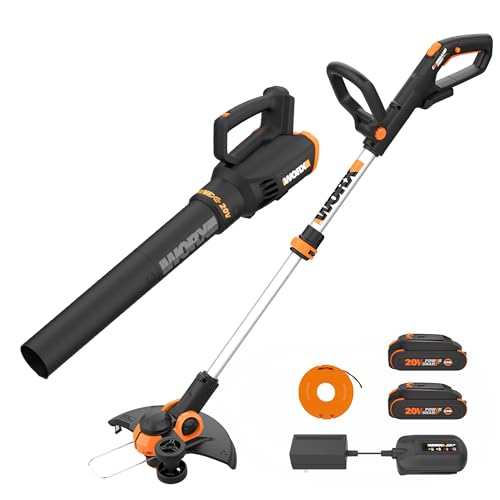
Worx WG929 20V Power Share 11.5 in. Cordless Cultivator
The Worx cultivator offers a great balance of price and performance. It has an 11.5-inch width and 7.5-inch depth. Its Power Share battery system works across Worx tools. The handle folds for storage.
Pros
- Affordable price point
- Folds for storage
- Comes with battery and charger
Cons
- Less torque for hard soil
- Battery may not last long for big jobs
Kobalt 40V Max 16 in. Cordless Cultivator
This Kobalt model uses two 40V batteries (sold separately) for extended runtime. The 16-inch tines are made of durable steel. It has a variable speed trigger for better control.
Pros
- Two batteries extend runtime significantly
- Variable speed control
- Heavy duty steel tines
Cons
- Requires two batteries which adds cost
- Heavier due to dual batteries

Milwaukee M18 FUEL 14 in. Cordless Cultivator
Milwaukee’s M18 FUEL cultivator is built for pros with a POWERSTATE brushless motor and 2,500 RPM. It features a 14-inch width and 8-inch depth. The metal gear case ensures durability.
Pros
- Professional grade durability
- High torque for tough soil
- Compatible with M18 battery ecosystem
Cons
- Expensive
- No battery included
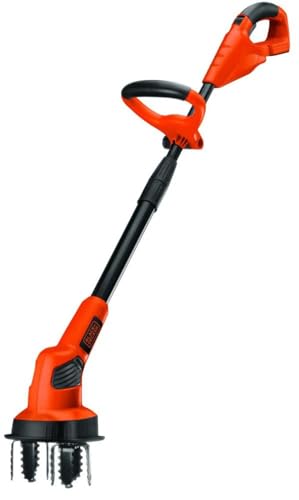
Black+Decker 20V MAX 10 in. Cordless Cultivator
This Black+Decker cultivator is simple and effective for weeding and light cultivation. It has a 10-inch width and 6-inch depth. The single lever adjusts depth. It comes with a battery and charger.
Pros
- Simple operation
- Lightweight at 8.5 pounds
- Includes battery and charger
Cons
- Not for heavy soil
- Low battery capacity
The lineup, side by side
| # | Model | Tilling Width | Best for | Score | Price |
|---|---|---|---|---|---|
| 1 | Greenworks 16-Inch 40V Cordless Cultivator | 16 inches | Best overall for medium to large gardens | 9.4 | Check price |
| 2 | RYOBI 40V HP Brushless 14 in. Cordless Cultivator | 14 inches | Best for tight spaces and maneuverability | 9.1 | Check price |
| 3 | DEWALT 20V MAX XR 10 in. Cordless Cultivator | 10 inches | Best for small patches and raised beds | 8.8 | Check price |
| 4 | Worx WG929 20V Power Share 11.5 in. Cordless Cultivator | 11.5 inches | Best value for money | 8.5 | Check price |
| 5 | Kobalt 40V Max 16 in. Cordless Cultivator | 16 inches | Best for battery runtime with dual battery slots | 9.0 | Check price |
| 6 | Milwaukee M18 FUEL 14 in. Cordless Cultivator | 14 inches | Best for professional heavy use | 9.2 | Check price |
| 7 | Black+Decker 20V MAX 10 in. Cordless Cultivator | 10 inches | Best for light duty commercial tasks | 8.2 | Check price |
Questions worth asking
Can a battery cultivator handle compacted soil?
Yes, but you may need a model with higher torque and a brushless motor. Models like the Greenworks or Milwaukee can handle moderately compacted soil, but for heavily compacted clay, you might need multiple passes or a gas powered unit.
How long does a battery cultivator run on a full charge?
Runtime varies based on battery capacity and soil conditions. Typically, a 4Ah battery can last 20 to 40 minutes of continuous use. Heavier soil reduces runtime. Having spare batteries is recommended for large areas.
Are battery cultivators as powerful as gas models?
Modern battery cultivators with brushless motors can match the power of small gas models for most residential and light commercial tasks. However, for extreme conditions, gas models still have an edge in continuous runtime and raw torque.
What is the best tilling width for commercial use?
For commercial use, a width of 14 to 16 inches is ideal because it balances coverage and maneuverability. Narrower widths are fine for small beds, but they require more passes for larger areas.
Do I need to buy batteries separately?
Some models come with a battery and charger, while others are sold as bare tools to use with existing batteries. Check the product details. Buying a bare tool is cheaper if you already have batteries from that brand.
How do I maintain a battery cultivator?
After each use, remove any soil from the tines. Inspect for damage. Keep the battery charged and store in a cool, dry place. Periodically check and tighten all screws and bolts. Avoid exposing to extreme temperatures.
Can I use a battery cultivator on rocky soil?
It is not recommended. Rocks can damage the tines and cause the motor to overwork. Clear the area of rocks before tilling. Some models have tine protection, but it is best to avoid rocks altogether.
What safety features should I look for?
Look for a safety switch that requires two hands to start, or a lock-off button. Also, consider models with a shield to protect your feet from debris. Always read the manual for specific safety instructions.
The bottom line
After comparing all options, the Greenworks 16-Inch 40V Cordless Cultivator is the top recommendation for commercial users due to its brushless motor, wide tilling width, and reliable performance. If you need professional grade durability and already invest in Milwaukee tools, the M18 FUEL is worth the premium price. For those on a budget, the Worx offers good value, but be prepared for less power. Choose the Greenworks for the best balance of power and usability.


