Compact Commercial String Trimmers That Pull Their Weight
For most commercial landscapers, the ECHO SRM-225 is the top pick because it offers pro-grade power in a lightweight package, but its straight shaft can be less maneuverable in tight spaces.
Commercial landscapers need equipment that can handle daily abuse without weighing them down. Compact string trimmers offer the perfect balance of power and agility, letting you work faster in tight spaces.
We compared seven of the most popular compact models from leading brands. Our analysis is based on specifications and owner feedback, not hands-on testing, to help you find the right tool for your crew.
The shortlist, ranked
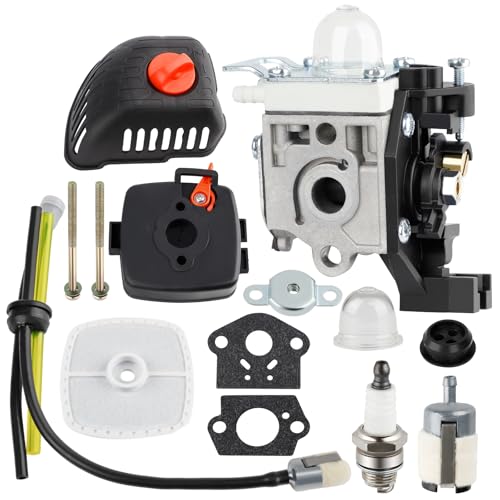
ECHO SRM-225
The ECHO SRM-225 is a favorite among pros for its 21.2 cc professional-grade engine. It delivers strong cutting performance while keeping weight at just under 12 pounds. Its straight shaft design is durable and easy to maintain.
Pros
- Reliable starting and consistent power
- Lightweight for its class
- Easy to maintain with accessible parts
Cons
- Straight shaft can be less comfortable for shorter users
- Slightly more vibration than some competitors

Stihl FS 91 R
The Stihl FS 91 R combines a powerful 27.2 cc engine with a curved shaft for natural handling. It’s designed for commercial use with a heavy-duty drive tube and anti-vibration system. The curved shaft makes edging and reaching under obstacles easier.
Pros
- Curved shaft enhances balance and control
- Strong engine for thick vegetation
- Anti-vibration handles reduce fatigue
Cons
- Curved shaft can be less precise for some tasks
- Slightly heavier than comparable straight-shaft models

Husqvarna 128LD
The Husqvarna 128LD offers a 28 cc engine at a competitive price. It’s lightweight at 10.4 pounds and features an easy-start system. While not as heavy-duty as more expensive models, it handles routine commercial trimming well.
Pros
- Affordable price point
- Lightweight and easy to maneuver
- Air purge removes air from carburetor for easy starts
Cons
- Less durable than premium models
- Plastic gear housing may wear faster with heavy use

Makita XRU15PT1
The Makita XRU15PT1 is a battery-powered trimmer with a brushless motor that rivals gas in power. It uses two 18V LXT batteries for extended runtime. With zero emissions and low noise, it’s ideal for noise-sensitive areas.
Pros
- No gas, no fumes, low noise
- Variable speed trigger for control
- Batteries interchangeable with other Makita tools
Cons
- Upfront cost higher than gas
- Runtime may be limited for large properties

Tanaka TBC-260
The Tanaka TBC-260 is a compact trimmer with a 25.4 cc engine and a surprisingly light weight of 10.6 pounds. It features a commercial-grade gear case and a solid steel drive shaft, offering durability without the bulk.
Pros
- Lightweight yet robust construction
- Smooth-running engine with low vibration
- Easy to start with purge pump
Cons
- Dealer network not as extensive as some brands
- Replacement parts may be harder to find

DEWALT DCST972X1
The DEWALT DCST972X1 is a brushless 20V trimmer with a high-speed motor and a 15-inch cutting width. It accepts attachments and has a variable speed trigger. It’s a strong performer for medium-duty commercial work.
Pros
- Lightweight and comfortable
- Dual-speed control
- Compatible with DEWALT FlexVolt batteries
Cons
- Runtime can be short with standard batteries
- Not as powerful as gas models for heavy brush

RedMax EBZ8500
The RedMax EBZ8500 is a commercial-grade trimmer with a 25.4 cc engine that delivers exceptional torque. Its professional-grade construction includes a magnesium gear case and a flexible drive shaft. Despite its power, it remains agile.
Pros
- High torque for tackling thick weeds
- Durable commercial components
- Excellent balance for reduced fatigue
Cons
- Premium price
- May be overkill for light-duty applications
What to look for
How they compare
| # | Model | Engine Displacement | Best for | Score | Price |
|---|---|---|---|---|---|
| 1 | ECHO SRM-225 | 21.2 cc | Professional landscapers wanting proven reliability and strong power-to-weight ratio | 9.4 | Check price |
| 2 | Stihl FS 91 R | 27.2 cc | Users who prefer a curved shaft for balance and maneuverability | 9.1 | Check price |
| 3 | Husqvarna 128LD | 28 cc | Budget-conscious buyers needing a reliable light-duty commercial trimmer | 8.8 | Check price |
| 4 | Makita XRU15PT1 | 2 x 18V LXT Lithium-Ion | Landscapers wanting cordless convenience with commercial-grade power | 9.0 | Check price |
| 5 | Tanaka TBC-260 | 25.4 cc | Professionals seeking a lightweight tool with commercial components | 8.7 | Check price |
| 6 | DEWALT DCST972X1 | 20V MAX Lithium-Ion | Crews already invested in DEWALT 20V MAX system | 8.5 | Check price |
| 7 | RedMax EBZ8500 | 25.4 cc | Demanding professionals needing maximum power in a compact frame | 9.2 | Check price |
Questions worth asking
What is the difference between a commercial and residential string trimmer?
Commercial trimmers have more powerful engines, heavier-duty components like steel shafts and metal gear cases, and are designed to withstand daily use. Residential trimmers are lighter and less expensive but may not endure the same workload.
How often should I maintain my commercial string trimmer?
Regular maintenance includes cleaning the air filter every few uses, checking the spark plug, and sharpening or replacing the cutting line. Follow the manufacturer’s schedule for oil changes if it’s a 4-stroke, and for 2-stroke mix fuel fresh.
Can I use a commercial trimmer for edging?
Yes, most commercial trimmers can be rotated to edge, but straight shafts make edging easier. Some models have a dedicated edging function or attachment. Curved shafts can also edge but require more practice.
What line thickness should I use?
Line thickness depends on the trimmer’s capability and the vegetation. For commercial trimmers, 0.095 to 0.155 inches is common. Thicker line handles heavier weeds but may require a more powerful engine and can be harder on the trimmer head.
Are battery-powered trimmers as powerful as gas?
Modern brushless battery trimmers can rival gas in cutting power, but runtime is limited. For light to medium commercial tasks, they are sufficient. For extensive daily use, gas still holds the advantage in endurance.
How do I choose the right shaft length?
Shaft length should match your height. When standing, the trimmer head should hover just above the ground. Most trimmers have adjustable handles to fine-tune ergonomics. If you’re tall, look for a longer shaft to avoid stooping.
What safety gear should I use when operating a string trimmer?
Always wear safety glasses, hearing protection, long pants, and closed-toe shoes. Consider a face shield and gloves for added protection. Never operate without the guard installed.
Can I use attachments like brush cutters on these trimmers?
Many straight-shaft trimmers accept attachments, but check compatibility. Some models have a split-shaft design that allows adding different tools. Curved shafts usually do not support attachments.
Final word
For most commercial landscapers, the ECHO SRM-225 is the best overall choice, offering a proven balance of power, weight, and durability. If you need maximum power and are willing to pay more, the RedMax EBZ8500 is a top performer. For those seeking a battery option, the Makita XRU15PT1 delivers excellent cordless performance.
You might also need

Weatherproof Lightweight String Trimmers That Handle Rain and Dew
Lightweight String Trimmers That Make Yard Work Effortless
Powerful Yet Compact: Commercial Leaf Blowers for Small Yards
