Commercial Garden Tillers for Landscaping Pros
For landscaping professionals, the Honda FRC800 stands out as the top pick due to its commercial-grade engine and reliability, but it carries a premium price and is heavier than some alternatives.
Landscaping businesses need tillers that can handle daily use, tough soil, and large areas without breaking down. Consumer models often lack the durability and power required for commercial work.
This roundup focuses on tillers built for professional landscapers, with heavy-duty frames, commercial engines, and features that reduce operator fatigue. We compared specifications and owner reports to find the best options.
What we recommend

Honda FRC800 Commercial Tiller
The Honda FRC800 is a rear-tine tiller with a powerful GX270 engine, known for its reliability. It features counter-rotating tines for deep tilling in hard soil, making it a favorite among landscaping crews.
Pros
- Reliable Honda engine
- Counter-rotating tines for tough soil
- Durable construction
- Adjustable handle height
Cons
- Heavy at 250 pounds
- Expensive
Yardmax Tuffy YT4565
The Yardmax Tuffy offers a powerful 208cc engine and a heavy-duty gearbox, providing excellent value for commercial users. Its forward and reverse operation makes it easy to maneuver in tight spaces.
Pros
- Reverse gear for convenience
- Compact for transport
- Good power-to-weight ratio
- Durable cast iron gearbox
Cons
- Narrow tilling width
- Depth limited to 8.5 inches
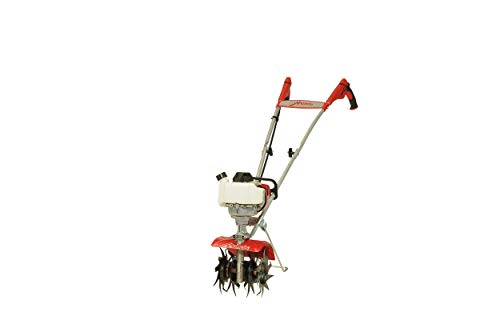
Mantis 7920 Tiller Cultivator
Mantis is known for its lightweight, maneuverable tillers. The 7920 model uses patented serrated tines that cut through hard soil, making it ideal for precise landscaping tasks like edging and bed preparation.
Pros
- Extremely lightweight
- Easy to control
- Tines are durable and customer replaceable
- Foldable handle for storage
Cons
- Small engine may require more passes
- Not for large areas

Earthquake 35431 2-Cycle Tiller
The Earthquake 35431 is a powerful 2-cycle tiller with a 43cc engine, offering a great balance of price and performance. It is lighter than rear-tine models and can handle moderate landscaping tasks.
Pros
- Affordable
- Lightweight
- Easy to start
- Good for small to medium jobs
Cons
- 2-cycle engine requires mixed fuel
- Less durable than commercial grades
Husqvarna TF 228
Husqvarna’s TF 228 is a rear-tine tiller with a robust 205cc engine and counter-rotating tines, designed for breaking new ground and heavy soil. It offers excellent traction and stability.
Pros
- Counter-rotating tines
- Reverse gear
- Adjustable depth
- Strong warranty
Cons
- Heavier than some competitors
- Price on the higher end
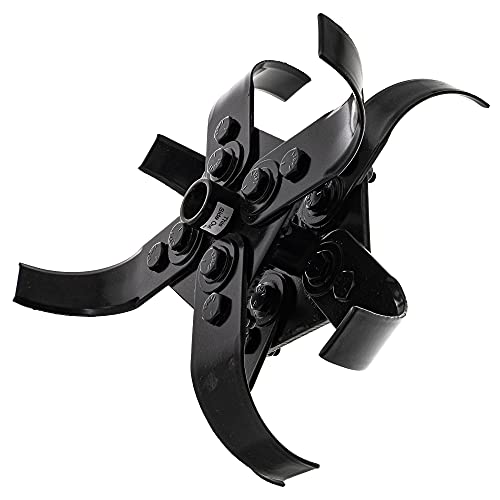
Cub Cadet RT 65
The Cub Cadet RT 65 features a 173cc OHV engine with electric start, making it convenient for quick startups. It has a heavy-duty steel frame and adjustable tilling width for versatility.
Pros
- Electric start
- Adjustable width
- Durable steel construction
- Smooth operation
Cons
- Depth not as deep as some
- Belt drive may need maintenance
DR Roto-Hog 13.5 HP
The DR Roto-Hog is a heavy-duty tiller with a 13.5 HP engine and a unique self-propelled design that reduces operator effort. It is built for serious landscaping and can break through even rocky soil.
Pros
- Exceptional power
- Self-propelled reduces fatigue
- Adjustable width and depth
- Built to last
Cons
- Very heavy
- High price point
How they compare
| # | Model | Engine | Best for | Score | Price |
|---|---|---|---|---|---|
| 1 | Honda FRC800 Commercial Tiller | GX270 4-stroke, 9 HP | Heavy-duty professional landscaping | 9.4 | Check price |
| 2 | Yardmax Tuffy YT4565 | 208cc OHV, 7.5 HP | Versatile tilling with reverse | 9.1 | Check price |
| 3 | Mantis 7920 Tiller Cultivator | 2-cycle, 1.7 HP | Detail work and small beds | 8.8 | Check price |
| 4 | Earthquake 35431 2-Cycle Tiller | 43cc 2-cycle, 3.5 HP | Budget-conscious landscapers | 8.6 | Check price |
| 5 | Husqvarna TF 228 | 205cc Husqvarna, 6.5 HP | Large landscaping projects | 9.2 | Check price |
| 6 | Cub Cadet RT 65 | 173cc OHV, 6.5 HP | Ease of use with electric start | 9.0 | Check price |
| 7 | DR Roto-Hog 13.5 HP | 420cc, 13.5 HP | Maximum power for severe conditions | 9.3 | Check price |
How to choose
Frequently asked questions
What is the difference between front-tine and rear-tine tillers?
Front-tine tillers have tines in front of the wheels, making them lighter and easier to maneuver, but they can bounce on hard soil. Rear-tine tillers are heavier, more stable, and have tines behind the wheels, providing better digging power and are preferred for commercial use.
How often should I change the oil in a commercial tiller?
Check the owner’s manual, but generally oil should be changed every 20 to 50 hours of operation or at least once per season. Regular oil changes ensure the engine runs smoothly and lasts longer.
Can I use a tiller to break new ground with grass and roots?
Yes, but you need a powerful tiller with counter-rotating tines. Models like the Honda FRC800 or DR Roto-Hog are designed for such tasks. It may require multiple passes.
What safety gear should I wear when operating a tiller?
Always wear safety glasses, hearing protection, sturdy boots, and gloves. Avoid loose clothing that could get caught in the machine. Read the manual for specific safety instructions.
How do I transport a commercial tiller?
Most tillers can be loaded onto a trailer or pickup truck. Use ramps rated for the tiller’s weight. Some models have wheels that make it easier to move. Always secure the tiller with straps during transport.
What is the average lifespan of a commercial tiller?
With proper maintenance, a commercial tiller can last 10 years or more. Factors include usage frequency, soil conditions, and care. Brands like Honda and Husqvarna are known for longevity.
Can I rent a commercial tiller instead of buying?
Renting is an option for occasional use, but if you use a tiller regularly for landscaping, buying is more cost-effective. Rental units may not be well-maintained.
What does ‘commercial grade’ mean for a tiller?
Commercial grade means the tiller is built with heavier-duty components, more powerful engines, and designed to withstand daily use. They often have better warranties and are more expensive.
Is a 2-cycle engine better than a 4-cycle for tillers?
2-cycle engines are lighter and have higher power-to-weight ratio, but they require mixing oil with fuel and are less fuel-efficient. 4-cycle engines run cleaner and are easier to maintain, making them better for commercial use.
How do I choose the right tilling depth?
The right depth depends on your soil and what you’re planting. For initial bed preparation, deeper tilling (10 to 12 inches) is beneficial. For cultivating existing beds, 4 to 6 inches is enough. Adjust the depth according to the task.
Our take
For professional landscapers who need a reliable, powerful tiller for daily use, the Honda FRC800 is the clear winner. Its commercial engine and counter-rotating tines deliver outstanding performance in tough conditions. If budget is a concern, the Yardmax Tuffy offers excellent value without sacrificing durability. Both are solid investments for any landscaping business.