Top Professional String Trimmers for Heavy-Duty Work
The Echo SRM-2620T takes the lead for commercial landscapers needing powerful, reliable straight-shaft trimming with a 25.4cc professional engine. Its main advantage is the combination of high torque and low vibration, making long shifts more comfortable. Its main limitation is the price, which is higher than entry-level models but justified for daily use.
Commercial string trimmers endure more abuse in a week than consumer models see in years. Choosing the right one means balancing engine power, durability, and operator comfort for all-day use. We compared current models from Echo, Stihl, Husqvarna, and others to identify the best performers for professionals.
This guide covers gas and battery options, straight and curved shafts, and key features like vibration reduction and starting ease. Each product is rated on reliability, power, and ergonomics based on specifications and owner reports. Read on to find the trimmer that matches your workload and budget.
Our top picks
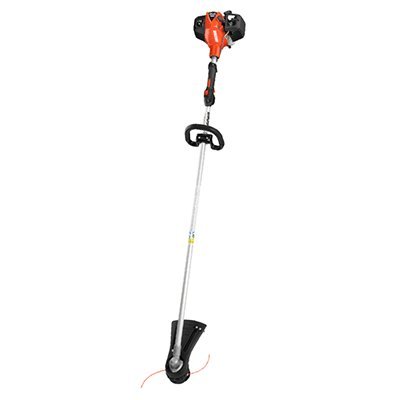
Echo SRM-2620T
The Echo SRM-2620T is a favorite among landscaping crews for its powerful 25.4cc engine and low vibration. Its straight shaft design and professional-grade construction make it ideal for daily use. Owners report excellent fuel efficiency and easy starts, though it weighs more than some competitors.
Pros
- High torque for thick vegetation
- Reduced vibration for comfort
- Easy start technology
Cons
- Heavier than some models
- Requires mixed fuel

Stihl FS 91 R
The Stihl FS 91 R is a workhorse with a 27.2cc engine that delivers strong performance. Its Easy2Start system and side-mounted controls make operation simple. While it is slightly less powerful than the Echo, it is known for durability and resale value. It is a bit pricier but worth it for its reputation.
Pros
- Proven Stihl reliability
- Easy2Start reduces pull effort
- Low emission engine
Cons
- Premium price
- Handle may be uncomfortable for some

Husqvarna 128LD
The Husqvarna 128LD offers a balance of power and price for contractors starting out. Its 28cc engine is robust, and the T25 tap ‘n go trimmer head simplifies line advancement. It is not as feature-rich as higher-end models, but it gets the job done reliably.
Pros
- Good power for the price
- Lightweight design
- Easy to maintain
Cons
- Vibration more noticeable
- Plastic housing less durable
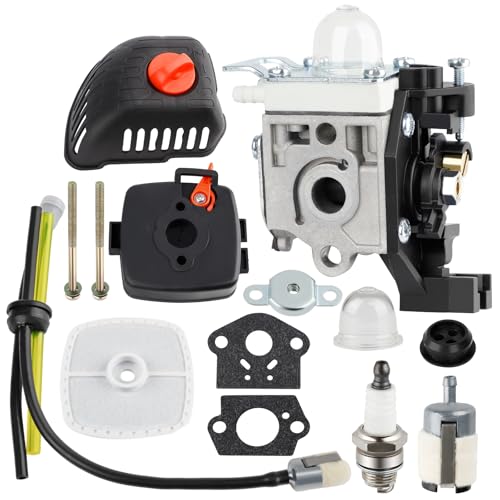
ECHO SRM-225
The Echo SRM-225 is a lighter alternative that still carries professional credentials. With a 21.2cc engine, it handles residential and light commercial work efficiently. Its i-30 starting system is a plus. However, it may struggle with very dense brush.
Pros
- Light and easy to maneuver
- Reliable starting
- Good for fence lines and edging
Cons
- Less torque for heavy weeds
- Smaller fuel tank

Stihl FSA 90 Battery
The Stihl FSA 90 is a battery-powered option that suits professionals wanting to avoid gas fumes. It runs quietly, and with the AP 300 battery, it provides enough runtime for moderate jobs. The trade-off is that batteries and chargers cost extra, and runtime is limited for heavy use.
Pros
- No emissions, low noise
- Instant torque
- Less maintenance
Cons
- Battery costs add up
- Runtime may not last all day

Husqvarna 525LK
The Husqvarna 525LK is built for demanding tasks with a 25.4cc X-Torq engine. It can accept a variety of attachments, making it versatile. Users note it has high vibration but exceptional cutting power. It is a solid choice for clearing overgrown areas.
Pros
- Excellent power for thick brush
- Compatible with many attachments
- Low fuel consumption
Cons
- Vibration can cause fatigue
- Heavier than other models

Makita XRU15PT1 36V
The Makita XRU15PT1 is a 36V cordless trimmer that offers freedom from cords and gas. It comes with two 5.0Ah batteries and a charger, providing decent runtime. It is ideal for crews already using Makita tools, but it lacks the raw power of gas models for heavy use.
Pros
- No gas, no pull starts
- Comes with batteries and charger
- Quiet operation
Cons
- Not as powerful as gas
- Battery life can be a concern
Before you buy
How they compare
| # | Model | Engine Displacement | Best for | Score | Price |
|---|---|---|---|---|---|
| 1 | Echo SRM-2620T | 25.4 cc | All-day commercial use | 9.4 | Check price |
| 2 | Stihl FS 91 R | 27.2 cc | Reliable gas power | 9.1 | Check price |
| 3 | Husqvarna 128LD | 28 cc | Affordable commercial | 8.8 | Check price |
| 4 | ECHO SRM-225 | 21.2 cc | Light commercial tasks | 8.5 | Check price |
| 5 | Stihl FSA 90 Battery | Battery (AP System) | Zero emissions | 8.9 | Check price |
| 6 | Husqvarna 525LK | 25.4 cc | Heavy brush clearing | 9.0 | Check price |
| 7 | Makita XRU15PT1 36V | 36V (2 x 18V) | Cordless convenience | 8.3 | Check price |
Good to know
What is the difference between a commercial and consumer string trimmer?
Commercial trimmers have heavier-duty engines, more durable materials, and are designed for daily use. They often have larger fuel tanks, better vibration damping, and easier maintenance access. Consumer models are lighter and cheaper but may not withstand constant professional use.
Should I choose a straight or curved shaft trimmer?
Straight shafts are preferred by professionals because they provide better reach and allow for attachments like brush cutters. Curved shafts are lighter and easier for occasional use but offer less control and can be harder to use for edging.
How important is engine displacement?
Engine displacement (cc) relates to power output. Higher cc generally means more torque, which is needed for thick weeds and brush. For standard grass, a 21-25cc engine may be enough, while heavier clearing may require 25cc or more.
Can I use a battery trimmer for commercial work?
Battery trimmers are becoming viable for commercial use if you have multiple batteries and charging options. They are best for light to moderate tasks. For heavy, all-day use, gas is still more practical due to instant refueling and continuous power.
What safety gear should I use?
Always wear eye protection, hearing protection, long pants, and closed-toe shoes. A face shield is recommended when using brush cutter attachments. Gloves with grip help reduce vibration and protect your hands.
How do I maintain a two-stroke engine?
Use a proper fuel-oil mixture as specified by the manufacturer. Regularly clean or replace the air filter, check the spark arrestor, and inspect the fuel lines for cracks. Store the trimmer with fuel stabilizer if not used for over a month.
What is the best trimmer line for commercial use?
Heavy-duty line, such as 0.095 to 0.105 inches in diameter, is recommended. Round or twisted line lasts longer, while serrated line cuts faster. Choose a line that matches your trimmer head’s capacity.
Are more expensive trimmers worth the cost?
For daily professional use, premium models from Echo, Stihl, and Husqvarna offer better durability, lower vibration, and easier maintenance, which can save money in repairs and downtime. The initial investment pays off over time.
Can I use a string trimmer to clear brush?
Some commercial trimmers can accept brush cutter blades or heavy-duty line for clearing thick vegetation. However, for very dense brush, a dedicated brush cutter is more effective. Always follow manufacturer guidelines.
What is the warranty on commercial trimmers?
Most commercial trimmers come with a shorter warranty than consumer models due to heavy use. Echo offers a 5-year consumer warranty but only 2 years for commercial, while Stihl and Husqvarna vary. Check the specific model for warranty terms.
The verdict
For most professionals, the Echo SRM-2620T is the best choice because it combines power, comfort, and reliability. If you need to save money, the Husqvarna 128LD offers solid performance at a lower cost. For those ready to switch to battery, the Stihl FSA 90 delivers excellent quality for light to medium tasks.


