Compact OBD2 Scanners: What Each One Actually Reads
Autel’s MaxiCOM MK808 reads the widest range of manufacturer-specific codes for serious DIY repairs. FIXD’s sensor is the smallest option for casual glovebox use, and BlueDriver’s Bluetooth Pro balances portability with shop-level data. Choice depends on how deep your diagnostics need to go.
Autel’s MaxiCOM MK808 handles full-system diagnostics for owners doing their own repairs, at the cost of pocket-sized portability. Casual drivers who just want occasional check-engine clarity are better served by something smaller, like the FIXD sensor.
Bidirectional control and live data streaming separate professional-grade compact scanners from basic code readers. We compared each device’s listed feature set against what it actually supports on OBD2-compliant vehicles built after 1996.
How to choose
What compact scanners can and cannot read Basic scanners like FIXD’s sensor read generic engine codes only, missing ABS, airbag, and transmission systems entirely. Full-system tools such as the Autel MK808 read enhanced, manufacturer-specific codes across most modules. Look for the words enhanced or manufacturer-specific in a listing before assuming a scanner reads more than the check-engine light.
App-based versus standalone screens Dongle scanners like BlueDriver and FIXD depend on a phone app for every reading, keeping the hardware pocket-sized but adding a step. Standalone units such as the Innova 5610 show data on their own screen, no pairing required. Shop settings favor standalone screens, since a phone is not always handy mid-repair.
Why bidirectional control matters Reading a code only identifies a problem. Bidirectional control lets a scanner send commands back to the car, like resetting an oil-service light or cycling an ABS pump. Only higher-tier tools such as the Autel MK808 and MK808S support this. DIY owners doing their own maintenance resets need it; casual code readers do not.
Matching scanner depth to actual use Pre-purchase used-car inspections benefit from a repair database like Innova’s, which flags common fixes tied to a specific code. Owners who just want occasional check-engine clarity are well served by simpler tools like FIXD or Foxwell’s NT301. Serious DIY mechanics doing real repairs get the most value from full bidirectional scanners.
What we recommend

Autel MaxiCOM MK808
This scanner reads codes across engine, transmission, ABS, and airbag systems, plus bidirectional tests like EPB reset and oil light reset. A 7-inch touchscreen displays live data graphs without needing a paired phone. Manufacturer-specific coverage spans most major brands through built-in software.
Pros
- Bidirectional controls reset service lights
- Standalone screen skips phone pairing
- Broad manufacturer-specific code coverage
Cons
- Larger than pocket-sized code readers
- Software updates require an account registration
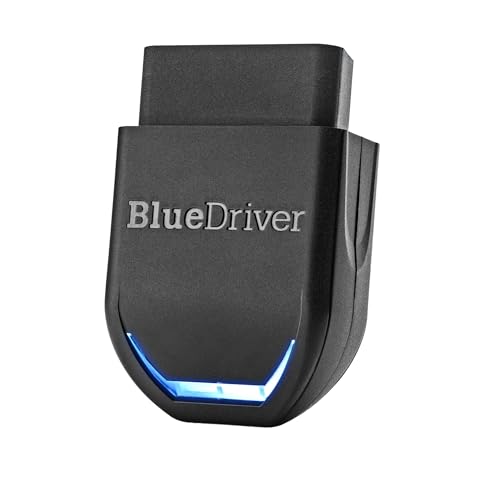
BlueDriver Bluetooth Pro OBDII Scan Tool
BlueDriver’s dongle pairs over Bluetooth to a phone app pulling repair-shop-level code definitions and confirmed fixes. Enhanced codes cover ABS, airbag, and transmission on many vehicles, not just generic engine codes. The compact dongle plugs directly into the OBD2 port, no cables needed.
Pros
- Repair-shop code data included free
- Compact dongle needs no separate screen
- No subscription fee for basic code reading
Cons
- Requires a phone for every use
- Bidirectional features limited versus dedicated scanners

FIXD OBD2 Scanner
FIXD’s sensor is about the size of a thumb drive, relying entirely on a smartphone app for code reading and plain-language explanations. Generic engine codes are covered, but ABS, airbag, and transmission systems are skipped. Small size makes it easy to leave plugged in permanently.
Pros
- Very small, easy to leave plugged in
- Plain-language code explanations in-app
- Low upfront cost
Cons
- Engine codes only, no ABS or airbag
- Some advanced features need a paid subscription

Innova 5610 CarScan Pro
Innova’s 5610 includes a built-in database of confirmed repair fixes tied to specific code and vehicle combinations, useful for inspecting a used car before buying. A color screen shows live data without a phone connection. ABS and airbag code reading come standard alongside engine diagnostics.
Pros
- Built-in repair database aids inspections
- Standalone screen works without a phone
- Covers ABS and airbag alongside engine codes
Cons
- Screen smaller than tablet-style scanners
- Software updates require a computer connection

ANCEL BD310
ANCEL’s BD310 pairs standard OBD2 code reading with a separate battery and charging system test using included clamps. Bluetooth connects to a companion app for code definitions and freeze frame data. This targets owners wanting engine diagnostics plus basic electrical checks in one device.
Pros
- Includes battery and alternator testing
- Compact dongle design
- Freeze frame data shown in-app
Cons
- No ABS or airbag code support
- Battery test requires separate clamp attachment
Autel MaxiCOM MK808S
This model pairs a Bluetooth VCI dongle with a 7-inch tablet, splitting the physical connection from the display for easier under-dash access. Full-system coverage and bidirectional controls match the standard MK808. The tablet also runs standalone if the VCI dongle goes unused.
Pros
- Bluetooth VCI simplifies reaching tight OBD2 ports
- Full bidirectional control retained
- Tablet works standalone if needed
Cons
- VCI dongle is an extra part to keep charged
- Bulkier overall than dongle-only scanners

Foxwell NT301
Foxwell’s NT301 focuses solely on engine system codes, using a simple monochrome screen with no app requirement. Live data streams and freeze frame information help troubleshoot check engine lights. Its dedicated design keeps the interface simpler than multi-system scanners.
Pros
- No phone or app required
- Simple interface for engine codes only
- Reads live data and freeze frame
Cons
- No ABS, airbag, or transmission coverage
- Screen resolution lower than color tablet scanners
Side by side
| # | Model | Display | Best for | Score | Price |
|---|---|---|---|---|---|
| 1 | Autel MaxiCOM MK808 | 7-inch touchscreen | Best overall | 9.4 | Check price |
| 2 | BlueDriver Bluetooth Pro OBDII Scan Tool | Phone app via Bluetooth | Best value | 9.1 | Check price |
| 3 | FIXD OBD2 Scanner | Phone app via Bluetooth | Best budget | 8.4 | Check price |
| 4 | Innova 5610 CarScan Pro | 2.4-inch color screen | Best for pre-purchase inspections | 8.9 | Check price |
| 5 | ANCEL BD310 | Phone app via Bluetooth | Best for battery and charging tests | 8.6 | Check price |
| 6 | Autel MaxiCOM MK808S | 7-inch tablet, Bluetooth VCI | Best for adding modules | 9.2 | Check price |
| 7 | Foxwell NT301 | 2.8-inch monochrome screen | Best for engine-only budget diagnostics | 8.5 | Check price |
Frequently asked questions
What is the difference between OBD2 code readers and full scanners?
Code readers pull generic engine codes only. Full scanners like the Autel MK808 also read enhanced codes across ABS, airbag, and transmission systems.
Can a compact scanner reset the check engine light?
Basic code readers clear engine codes. Only bidirectional scanners like the Autel MK808 reset service-specific lights such as oil maintenance.
Do I need a phone app for an OBD2 scanner?
Dongle-style scanners like BlueDriver and FIXD require a phone app. Standalone units like the Innova 5610 display data on their own screen.
Which scanner is best for buying a used car?
The Innova 5610 CarScan Pro includes a repair database that flags known fixes tied to specific codes, useful during a pre-purchase inspection.
Is BlueDriver worth it over a cheaper code reader?
BlueDriver includes free repair-shop-level code data and confirmed fixes that basic generic readers skip entirely.
What does bidirectional control mean on a scan tool?
It lets the scanner send commands to the car’s systems, like cycling an ABS pump or resetting an electric parking brake, rather than just reading codes.
Can a compact scanner read ABS and airbag codes?
Only scanners marketed with enhanced or full-system coverage, like the Autel MK808 or Innova 5610, read ABS and airbag codes.
Do OBD2 scanners work on every car?
Any US vehicle sold after 1996 supports generic OBD2 codes, though enhanced manufacturer-specific codes vary by scanner and brand.
Is a standalone scanner better than a Bluetooth dongle?
Standalone screens like the Innova 5610 work without a phone nearby, useful in a shop. Dongles like BlueDriver stay smaller and cheaper but need a paired phone every time.
Our take
DIY mechanics chasing full-system coverage and reset functions should get the Autel MaxiCOM MK808, even with its larger footprint. Drivers who mainly want occasional check-engine clarity get more value from the smaller BlueDriver Bluetooth Pro or FIXD sensor. Skip full-system scanners entirely if the only goal is clearing a single engine code now and then.