Compact VR Headsets That Fit Your Space and Budget
The Meta Quest 3S is the top compact VR headset for most people, offering a lightweight design, excellent mixed reality, and a large game library at a reasonable price. Its main limitation is the lower resolution compared to the pricier Quest 3.
Compact VR headsets have become a popular choice for those who want to dive into virtual worlds without dedicating a whole room to bulky equipment. These devices are lightweight, easy to store, and often more affordable than their full-sized counterparts.
Our roundup focuses on headsets that are physically small and convenient, yet still offer solid performance. We looked at user feedback and specifications to highlight the best options currently on the market.
The shortlist, ranked

Meta Quest 3S
The Meta Quest 3S is a lightweight standalone headset that offers a great balance of price and features. It uses the same Snapdragon XR2 Gen 2 chip as the pricier Quest 3, ensuring smooth performance. The display is slightly lower resolution, but still sharp for most games and apps.
Pros
- Powerful processor for smooth gameplay
- Excellent mixed reality passthrough
- Affordable price for the feature set
Cons
- Lower resolution than Quest 3
- Requires Facebook account for login

Meta Quest 3
The Meta Quest 3 is slightly heavier than the 3S but offers a higher resolution display and better optics. It remains compact and easy to wear, making it a favorite among enthusiasts who prioritize visual clarity. The pancake lenses provide a wider sweet spot.
Pros
- Sharp, color-rich display
- Thin, balanced design
- Large content library
Cons
- More expensive than 3S
- Battery life could be longer
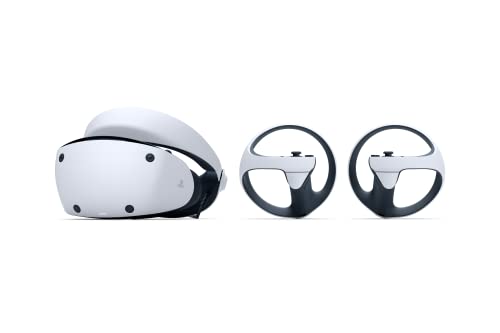
Sony PlayStation VR2
The PS VR2 is a wired headset designed exclusively for the PlayStation 5. It features a sleek, compact design with excellent OLED displays and advanced haptics. The headset is comfortable for long sessions, though it requires a physical connection to the console.
Pros
- OLED HDR display with vibrant colors
- Advanced haptic feedback
- Easy setup with PS5
Cons
- Requires PS5 console
- Single cable can be limiting

HTC Vive XR Elite
The HTC Vive XR Elite is a compact headset that can operate as a standalone device or connect to a PC for more demanding experiences. It offers color passthrough and a flip-up visor for quick real-world checks. The modular design allows battery swapping.
Pros
- Standalone and PC compatible
- Flip-up design for convenience
- Removable battery
Cons
- Battery life is short
- Expensive
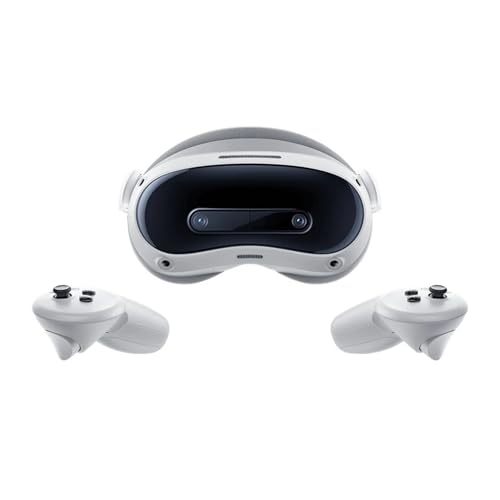
PICO 4 Ultra
The PICO 4 Ultra is a direct competitor to the Quest series, offering a balanced design with a rear battery that distributes weight evenly. It features a high-resolution display and decent mixed reality capabilities. The software ecosystem is growing, though not as extensive as Meta’s.
Pros
- Comfortable balanced weight
- High-res display
- Good value for specs
Cons
- Less content than Meta
- Tracking can be less precise in low light
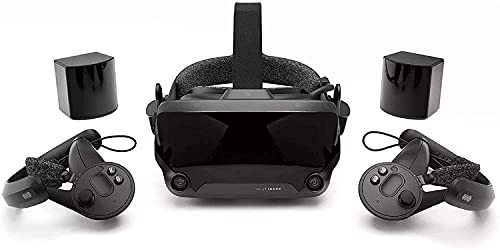
Valve Index
The Valve Index is a PC-only headset with a unique design that is relatively compact, though it relies on external base stations for tracking. It offers an impressive 144Hz refresh rate and excellent audio. The headset is comfortable, but the cable management can be a challenge.
Pros
- High refresh rate for smooth motion
- Excellent built-in audio
- Accurate tracking
Cons
- Requires powerful PC
- Cable tether and base stations needed
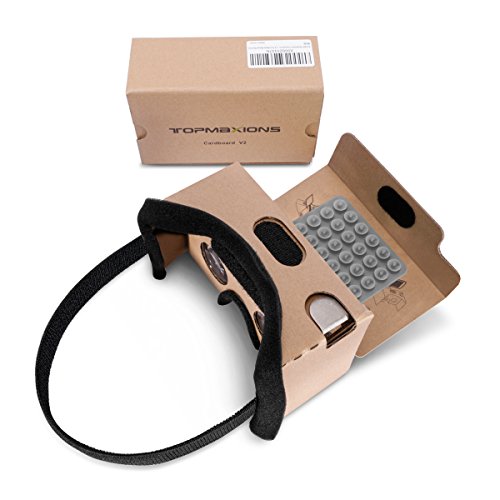
Google Cardboard (V2)
Google Cardboard is a simple, foldable cardboard viewer that turns your smartphone into a basic VR headset. It is extremely compact and costs next to nothing. While it lacks the immersion of dedicated headsets, it is a great way to try VR without a big investment.
Pros
- Very affordable
- Ultra-portable
- Easy to assemble
Cons
- Limited immersion
- Requires smartphone
How they stack up
| # | Model | Weight | Best for | Score | Price |
|---|---|---|---|---|---|
| 1 | Meta Quest 3S | 1.1 lbs | Best overall compact VR headset | 9.4 | Check price |
| 2 | Meta Quest 3 | 1.2 lbs | Best for sharp visuals in a compact design | 9.2 | Check price |
| 3 | Sony PlayStation VR2 | 1.2 lbs | Best for PS5 owners seeking a compact tethered headset | 9.0 | Check price |
| 4 | HTC Vive XR Elite | 0.9 lbs (without battery) | Best for versatile use as standalone or PC VR | 8.8 | Check price |
| 5 | PICO 4 Ultra | 1.1 lbs | Best for a lightweight, balanced standalone headset | 8.6 | Check price |
| 6 | Valve Index | 1.8 lbs | Best for PC gamers who want high refresh rate | 8.4 | Check price |
| 7 | Google Cardboard (V2) | 0.2 lbs | Best for a budget-friendly introduction to VR | 8.0 | Check price |
What matters most
Common questions
What is the best compact VR headset for beginners?
The Meta Quest 3S is the best for beginners because it is easy to set up, has a user-friendly interface, and offers a vast library of games and apps. Its price is also reasonable for the features it provides.
Do compact VR headsets require a powerful PC?
Not all compact VR headsets require a PC. Standalone models like the Quest 3S and PICO 4 have built-in processors and do not need a PC. PC-tethered headsets like the Valve Index and PlayStation VR2 require a compatible PC or console.
Can I use a compact VR headset in a small room?
Yes, most compact VR headsets offer stationary or room-scale modes that can be used in small spaces. However, you should always clear an area of obstacles and be aware of your surroundings. Some headsets have guardian systems that alert you when you move too close to boundaries.
How much space do I need for a compact VR headset?
For stationary use, you need just enough space to wave your arms without hitting anything. For room-scale, you need at least a 2m x 2m area. Compact headsets are often used in smaller rooms because they do not require external sensors.
Are compact VR headsets comfortable for glasses wearers?
Many compact VR headsets have enough room to accommodate glasses, but it can be tight. Some models offer prescription lens inserts or adjustable focal distance. The Quest 3 series has a glasses spacer, and the PICO 4 offers a similar feature.
What is the difference between inside-out and outside-in tracking?
Inside-out tracking uses cameras on the headset to track the controllers and environment, requiring no external sensors. Outside-in tracking uses external base stations that emit signals to track the headset and controllers. Inside-out is more portable, while outside-in can offer higher precision.
How do I clean and maintain my compact VR headset?
Use a soft, dry microfiber cloth to wipe the lenses. Avoid using harsh chemicals. Keep the headset away from direct sunlight to prevent damage to the lenses. Store it in a protective case or on a stand when not in use.
Can I connect a compact VR headset to a PC wirelessly?
Yes, some standalone headsets like the Meta Quest 3 and PICO 4 support wireless PC connection via Wi-Fi 6, using software like Air Link or Virtual Desktop. This allows you to play PC VR games without a cable, though a stable network is required.
What is the average battery life of a standalone compact VR headset?
Most standalone headsets last between 2 to 3 hours on a full charge, depending on content and brightness. For extended sessions, you can use an external battery pack or a power bank connected via USB-C.
Are there any health concerns with using VR headsets?
VR can cause eye strain, dizziness, or nausea in some users, especially during long sessions. It is recommended to take breaks and adjust the headset to fit properly. If you experience discomfort, consult a doctor.
The bottom line
If you want the best mix of performance, portability, and price, buy the Meta Quest 3S. It offers a compact design, excellent tracking, and access to a huge game library. For those who already own a PS5, the PlayStation VR2 is a fantastic choice. If you are on a tight budget and just curious, Google Cardboard is a fun, low-cost start, but for an immersive experience, go with a dedicated headset.