How to Pick a Compression Sleeve That Actually Fits
CEP Compression Calf Sleeves 3.0 lead with true graduated, medical grade pressure and sizing based on calf circumference. Zensah Compression Leg Sleeves suit all day wear thanks to a seamless knit. Physix Gear Sport Calf Compression Sleeves deliver most of the same benefit at a lower price.
CEP Compression Calf Sleeves 3.0 deliver measured graduated compression rather than a snug fabric tube. Zensah is the pair most people keep on for a full day. Physix Gear Sport covers the core benefits for a fraction of the specialist price.
Few brands publish an actual pressure figure, so shoppers are left guessing at the store. A sleeve that feels tight on day one can lose grip after twenty washes. We compared published compression ranges, sizing charts, fabric composition and cuff design, then checked owner reports on slipping, seam rub and elastic life.
What we recommend

CEP Compression Calf Sleeves 3.0
CEP sizes by calf circumference, not shoe size, which keeps graduated pressure consistent from top to bottom. Dense polyamide and elastane knit supports the muscle under load and channels sweat on long runs. Price sits above the rest of this list, and a careless measurement ruins the fit.
Pros
- Graduated pressure profile backed by a published range
- Calf circumference sizing improves fit accuracy
- Holds compression through repeated washing
Cons
- Highest price in this lineup
- Narrow size bands demand accurate measuring

Zensah Compression Leg Sleeves
Seamless knit removes the rub points that build up under a sock line or during long efforts. Compression stays firm without the clamped feel of medical grade sleeves, so wearers leave these on for a full shift. Maximum pressure trails CEP, the tradeoff for softer comfort.
Pros
- No seam to rub during long wear
- Comfortable enough for all day use
- Handles moisture well in warm weather
Cons
- Lighter compression than medical grade sleeves
- Light colors show dirt and stains quickly

Physix Gear Sport Calf Compression Sleeves
Steady pressure and calf warmth arrive here at a fraction of specialist brand pricing. Thinner fabric than CEP suits hot conditions better. Owners report the elastic softens after months of frequent washing, so budget for eventual replacement.
Pros
- Strong value sold as a pair
- Thin fabric suits warm climates
- Wide size range fits most calves
Cons
- Elastic loses grip sooner than premium knits
- Less warmth than thicker fabric in cold weather

Bauerfeind Sports Compression Sleeves Lower Leg
Bauerfeind builds medical braces, and the anatomical knit reflects that background by varying density across the calf. Recovery wear after hard sessions is where this sleeve fits best. Thickness beats running specific sleeves, welcome in winter and less so in summer.
Pros
- Zoned knit follows calf muscle shape
- Durable build justifies the price over time
- Warm enough for cold weather training
Cons
- Too warm for summer sessions
- Premium price for a single pair
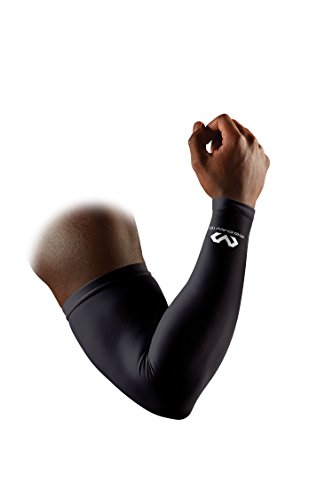
McDavid 6577 Compression Arm Sleeve
Basketball and racquet sports demand a sleeve that stays put through overhead movement, and a silicone gripper at the bicep holds firm. hDc moisture management fabric resists sweat induced sliding. Only one sleeve ships per package, not a pair, so factor that into cost comparisons.
Pros
- Silicone gripper prevents slipping
- UV protection helps outdoor training
- Durable through repeated court use
Cons
- Sold as a single sleeve, not a pair
- Gripper band can irritate sensitive skin
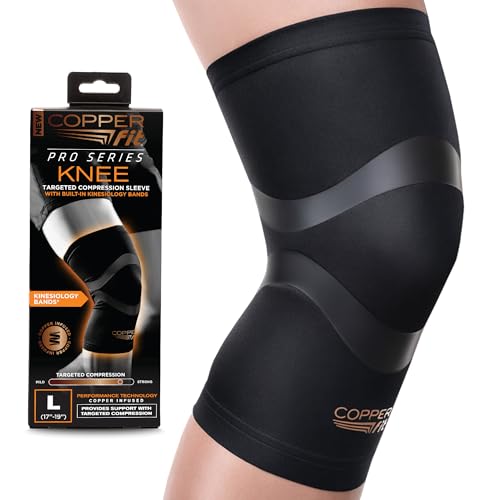
Copper Fit Pro Series Compression Knee Sleeve
Everyday activity, gardening and light training call for warmth and mild joint support rather than heavy bracing. A thin profile slides under trousers without adding bulk. Copper infusion claims lack a proven mechanism, so judge this sleeve on fit and compression alone.
Pros
- Thin enough for wear under clothing
- Comfortable warmth around the joint
- Pulls on without straps or buckles
Cons
- Not a substitute for a real knee brace
- Copper benefit claims are unproven

Run Forever Sports Calf Compression Sleeves
Shift workers who stand for hours, not athletes chasing marginal gains, are the target here. A wide top band reduces the digging in that thinner cuffs cause after eight or ten hours. Sizing runs snug, so larger calves usually need to size up.
Pros
- Wide cuff avoids digging in during long shifts
- Moderate pressure suits all day wear
- Solid value for a workwear sleeve
Cons
- Sizing runs small at the calf
- Light compression for serious training
Side by side
| # | Model | Compression | Best for | Score | Price |
|---|---|---|---|---|---|
| 1 | CEP Compression Calf Sleeves 3.0 | Graduated, medical grade range | Best overall | 9.4 | Check price |
| 2 | Zensah Compression Leg Sleeves | Seamless knit, no side seams | Best for all day comfort | 9.2 | Check price |
| 3 | Physix Gear Sport Calf Compression Sleeves | Firm graduated support | Best value | 9.0 | Check price |
| 4 | Bauerfeind Sports Compression Sleeves Lower Leg | Anatomically zoned knit | Best for recovery | 8.8 | Check price |
| 5 | McDavid 6577 Compression Arm Sleeve | Single arm sleeve | Best arm sleeve | 8.6 | Check price |
| 6 | Copper Fit Pro Series Compression Knee Sleeve | Pull on knee sleeve | Best knee sleeve | 8.3 | Check price |
| 7 | Run Forever Sports Calf Compression Sleeves | Moderate graduated support | Best for standing work | 8.0 | Check price |
How to choose
What does graduated compression actually mean? Graduated compression applies the highest pressure at the ankle or wrist, then eases as it moves up the limb. Brands that publish a pressure range in mmHg give you a measurable spec. Vague words like firm or strong tell you nothing useful. Mild to moderate ranges suit training and travel, while higher ranges usually belong to medical grade garments where fit precision matters most.
How do you measure a calf or arm for the right size? Sizing off shoe size is the most common reason a sleeve underperforms. Measure the widest part of the calf, or bicep circumference for an arm sleeve, first thing in the morning before swelling sets in. Use the brand’s own chart rather than assuming sizes match across manufacturers. A sleeve that rolls at the top or digs a deep line is the wrong size, not proof it works.
Which fabric weight suits running versus recovery? Thin, breathable knits suit hot weather and long summer runs. Denser knits trap warmth, which recovery wear and winter training reward. Anyone wearing sleeves under work trousers or race kit should weigh thickness against all day comfort. Seamless construction matters most for long duration wear, since an invisible seam at hour one becomes a hot spot by hour four.
How long do compression sleeves last, and how should you wash them? Heat breaks down elastane fast, so tumble drying shortens a sleeve’s life quickly. Cold wash, skip the fabric softener, and air dry to protect the compression profile. Even with careful care, sleeves worn several times weekly lose pressure over six to twelve months. Rotating two pairs, which is why most brands sell them that way, keeps a clean set always ready.
Questions worth asking
Do compression sleeves actually work?
Wearers report less muscle vibration and reduced next day soreness after long efforts, and the warmth plus feedback feel genuine. Evidence for a performance boost stays mixed. Comfort and recovery support is the honest claim, not extra speed.
How tight should a compression sleeve fit?
Snug and even support is correct. Pain, numbness or deep marks are not. If a finger will not fit under the top band, or the limb tingles, size up before assuming the sleeve is working as designed.
Can you sleep in compression sleeves?
Most brands advise against overnight wear for standard sports sleeves, since circulation shifts as you sleep and move position. One to two hours after training covers most recovery use, and anything medical should follow a clinician’s guidance.
What is the difference between compression socks and sleeves?
Sleeves stop at the ankle and leave the foot free for your own running sock. Socks cover the foot too and add graduated pressure from the toes up, which matters more for swelling and travel than for training.
How long should you wear a sleeve after a workout?
One to three hours after exercise is the common range for recovery. People on their feet all shift often wear them longer, chasing relief from heavy legs rather than faster muscle repair.
Do arm sleeves help with tennis elbow?
Warmth and mild support can take the edge off, but a sleeve will not fix the underlying tendon problem. A targeted forearm strap and proper rehab work better, and pain that persists deserves a clinical opinion.
Why do compression sleeves slide down, and how do you stop it?
Slipping usually signals the wrong size first. A silicone gripper band, like the one on the McDavid arm sleeve, holds far better once sweat builds up. Applying a sleeve to dry skin instead of lotion also helps.
How often should compression sleeves be replaced?
Once a sleeve slides during activity, or a new size chart suggests it should feel snugger, the elastane has fatigued. Regular use wears that down in six months to a year, sooner with tumble drying.
Our pick
CEP Compression Calf Sleeves 3.0 suit anyone willing to measure carefully for true graduated pressure. Zensah stays comfortable enough to wear all day thanks to its seamless build. Physix Gear Sport covers the core benefits at a modest price, making it a sensible starting point before buying into a specialist brand.