Best Cordless Leaf Blowers for Serious Landscaping Work
The EGO Power+ LB7654 is the best cordless leaf blower for landscaping, delivering gas-like power with up to 765 CFM and 200 MPH, ideal for large properties and heavy debris. Its main limitation is battery cost, but it is worth it for professionals and serious homeowners.
Cordless leaf blowers have become a real alternative to gas models, especially for landscaping tasks. They offer instant start, no fuel mixing, and lower noise. But not all are equal; some lack runtime or power for heavy use.
This roundup focuses on models that can handle real work, not just light yard cleanup. Each pick was evaluated for its air power, battery life, comfort, and durability. We also considered how they compare to gas blowers in real-world conditions.
What matters most
What we recommend

EGO Power+ LB7654
The EGO Power+ LB7654 is a commercial-grade cordless blower that rivals gas models. With a powerful brushless motor, it delivers up to 765 CFM and 200 MPH, clearing wet leaves and debris with ease. Its variable speed trigger and cruise control allow precise control. The included 5.0 Ah battery offers decent runtime, but you may need extra batteries for large areas.
Pros
- Powerful enough for heavy debris
- Variable speed and cruise control
- Low noise and zero emissions
Cons
- Expensive battery system
- Can be heavy for prolonged use

DeWalt DCBL772X1
DeWalt’s DCBL772X1 is a high-performance blower with a brushless motor that produces up to 600 CFM and 125 MPH. It features a variable speed trigger and a high-speed mode for extra power. The included 20V MAX 5.0 Ah battery gives good runtime, and its lightweight design (10.2 lbs) reduces fatigue. It is built to withstand job site conditions.
Pros
- Durable construction
- Good balance and ergonomics
- Compatible with DeWalt battery system
Cons
- Less air volume than top models
- Battery not included in some kits

Makita XBU02Z
The Makita XBU02Z is a cordless blower that offers surprising power in a compact package. It generates up to 473 CFM and 120 MPH, enough for most residential and light commercial tasks. The tool is lightweight (8.6 lbs without battery) and features variable speed control. It is ideal for quick cleanups and tight spaces.
Pros
- Very lightweight
- Compact design fits in tight spaces
- Low vibration
Cons
- Battery not included
- Lower CFM for heavy debris

Greenworks Pro 80V
The Greenworks Pro 80V blower (model BL80L2510) delivers an impressive 580 CFM and 145 MPH, making it a strong performer at a reasonable price. It comes with a 2.5 Ah battery and charger, offering about 20 minutes of runtime on high. The variable speed trigger and cruise control provide comfort. This is a great option for those already in the Greenworks ecosystem.
Pros
- Great power for the price
- Includes battery and charger
- Cruise control feature
Cons
- Shorter runtime
- Heavier than some competitors

Ryobi 40V HP Brushless
The Ryobi 40V HP Brushless blower (model RY40440) is designed for efficiency, using a brushless motor to extend battery life. It produces up to 550 CFM and 145 MPH, with a variable speed trigger and a boost mode for extra power. The kit includes a 4.0 Ah battery and charger. It is compatible with Ryobi’s 40V line, making it a smart choice for existing users.
Pros
- Efficient brushless motor
- Good runtime
- Wide range of compatible tools
Cons
- Less powerful than top picks
- Battery takes time to charge
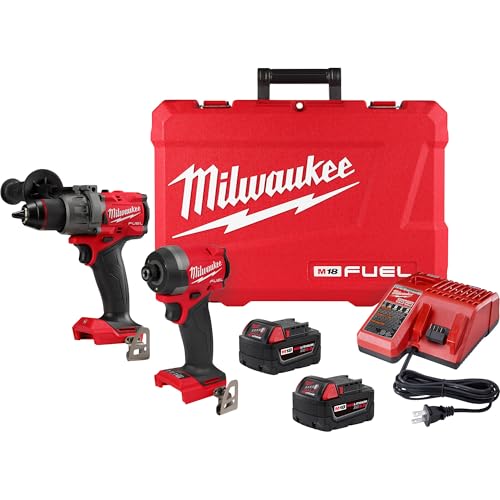
Milwaukee M18 Fuel
The Milwaukee M18 Fuel blower (model 2724-20) is a powerhouse, delivering up to 600 CFM and 140 MPH. It features a brushless motor, variable speed trigger, and a lock-on button for continuous operation. Built to withstand harsh conditions, it is ideal for daily professional use. The tool only is sold without battery, but it uses the M18 system, which many pros already own.
Pros
- High durability
- Excellent power-to-weight ratio
- Trusted brand for professionals
Cons
- Battery not included
- Expensive when adding batteries

Kobalt 80V Max
The Kobalt 80V Max blower (model KXB 4280B-03) offers a balance of power and comfort. It generates up to 580 CFM and 140 MPH, with a variable speed dial for precise control. The blower is designed with anti-vibration features and a soft grip handle. It comes with a 2.5 Ah battery and charger, providing moderate runtime. This is a solid choice for homeowners who prioritize comfort.
Pros
- Low vibration and noise
- Variable speed dial
- Sturdy build
Cons
- Shorter battery life
- Not as powerful as EGO or DeWalt
How they compare
| # | Model | Air Volume (CFM) | Best for | Score | Price |
|---|---|---|---|---|---|
| 1 | EGO Power+ LB7654 | 765 | Best overall for heavy landscaping jobs | 9.6 | Check price |
| 2 | DeWalt DCBL772X1 | 600 | Best for construction and rugged use | 9.2 | Check price |
| 3 | Makita XBU02Z | 473 | Best for compact power and portability | 8.9 | Check price |
| 4 | Greenworks Pro 80V | 580 | Best for value with powerful performance | 8.7 | Check price |
| 5 | Ryobi 40V HP Brushless | 550 | Best for large yards with multiple batteries | 8.5 | Check price |
| 6 | Milwaukee M18 Fuel | 600 | Best for professional landscapers | 9.0 | Check price |
| 7 | Kobalt 80V Max | 580 | Best for quiet operation and user comfort | 8.2 | Check price |
Good to know
What is the most powerful cordless leaf blower?
The EGO Power+ LB7654 is currently one of the most powerful, with 765 CFM and 200 MPH. It rivals many gas-powered blowers.
How long do cordless leaf blower batteries last?
Runtime varies by battery capacity and usage. A 5.0 Ah battery on a high-powered blower may last 20-30 minutes on high, while lower speeds can extend that to 45 minutes or more.
Are cordless leaf blowers as powerful as gas ones?
Modern high-end cordless models can match or exceed gas blowers in air volume and speed. The EGO and Milwaukee models are comparable to gas blowers, but they may have shorter runtime and higher battery costs.
Can I use a cordless leaf blower for wet leaves?
Yes, but you need high CFM and MPH. Look for models with at least 600 CFM and 140 MPH to effectively move wet leaves. The EGO LB7654 is excellent for this task.
What is the best voltage for a cordless leaf blower?
Higher voltage (56V, 60V, 80V) generally provides more power and longer runtime. However, 40V and 18V models can still be effective for light to medium tasks. For landscaping, 56V or higher is recommended.
Do cordless leaf blowers come with batteries and chargers?
Some models are sold as kits with battery and charger, while others are tool-only. Check the product listing. For example, the Greenworks 80V includes a battery and charger, but the Makita XBU02Z does not.
What is CFM and MPH in leaf blowers?
CFM (cubic feet per minute) measures the volume of air moved, which is important for sweeping leaves. MPH (miles per hour) measures the speed of air, which helps dislodge stuck debris. Both are important for overall performance.
Are cordless leaf blowers noisy?
They are generally quieter than gas blowers, but noise levels vary. Check the decibel rating. Some models operate around 60-70 dB, while others may be louder. For residential areas, lower noise is a plus.
How do I maintain a cordless leaf blower?
Keep the air intake and nozzle clear of debris. Store batteries in a cool, dry place. Charge the battery fully before storage. Regularly check for loose screws and replace the air filter if applicable.
Can I use a leaf blower for other tasks?
Yes, many people use leaf blowers to clean gutters, clear snow from walkways, blow dust out of garages, and dry cars. Some models have attachments for vacuuming and mulching.
Final word
For most landscaping jobs, the EGO Power+ LB7654 is the best choice due to its unmatched power and performance. If you are a professional seeking durability and already own Milwaukee tools, the M18 Fuel is a solid investment. For budget-conscious buyers, the Greenworks 80V offers excellent value without sacrificing too much power.


