Deck Stain Picks That Last Through Every Season
For most homeowners, the DEFY Extreme Semi-Transparent Wood Stain stands out as the top pick because it offers superior UV protection and water repellency, based on our comparison of current formulations. Its main limitation is that it requires thorough surface prep, including a brightener, to achieve the advertised longevity.
A good deck stain does more than add color. It protects your wood from sun, rain, and foot traffic. The wrong choice can peel or fade within a year.
We looked at current formulas from top brands. Our selections cover transparent, semi-transparent, and solid stains. Each has a specific purpose, from reviving old boards to sealing new cedar.
How to pick the right one
The top picks, ranked
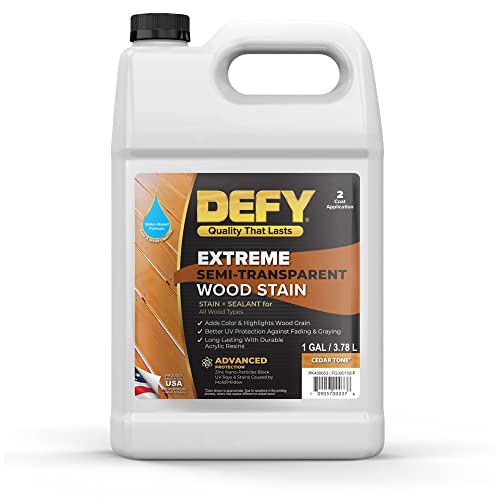
DEFY Extreme Semi-Transparent Wood Stain
This water-based stain uses zinc nano-particles to block UV rays. It resists mildew and algae, and it is highly water repellent. Owners report excellent color retention on pressure-treated and cedar decks.
Pros
- Outstanding UV protection
- Mildew resistant
- Low VOCs
Cons
- Requires brightener for best results
- Not for previously painted decks

Ready Seal Exotic Hardwood Deck Stain
Ready Seal is a penetrating oil-based stain that does not require a primer. It applies easily with a pump sprayer and does not leave lap marks. It is popular for tropical hardwoods like ipe and mahogany.
Pros
- No lap marks
- Can be applied in sunlight
- Works on exotic woods
Cons
- Longer dry time
- Strong odor during application

Thompson’s WaterSeal Advanced Solid Wood Stain
This solid stain forms a film that hides imperfections and old stains. It provides a waterproof barrier that lasts up to 5 years, according to brand claims. It is available in many colors.
Pros
- Hides old stains and marks
- Excellent water beading
- Easy to clean with soap and water
Cons
- Can peel if applied too thick
- Hides wood grain

Behr Premium Transparent Wood Finish
Behr’s transparent stain adds subtle color while letting the natural grain show through. It is water-based, resists UV damage, and is ideal for new or lightly weathered decks.
Pros
- Shows wood grain beautifully
- Fast drying
- Low odor
Cons
- Least UV protection
- Needs more frequent reapplication

Cabot Australian Timber Oil
Cabot’s Timber Oil is a linseed-oil based formula that penetrates deep into softwoods. It provides a rich, natural look and offers excellent water repellency. It is a top choice for cedar and redwood.
Pros
- Deep penetration
- Enhances natural beauty
- Good for vertical surfaces too
Cons
- Only for softwoods
- Requires mineral spirits for cleanup

KILZ Interior/Exterior Waterproofing Wood Stain
KILZ offers a solid stain that is affordable and effective. It provides a durable film that resists cracking and peeling. It is suitable for decks, fences, and siding.
Pros
- Budget friendly
- Fast drying
- Good adhesion
Cons
- Limited color selection
- May require two coats for full hide

Flood CWF-UV5 Clear Wood Finish
Flood CWF-UV5 is a clear, oil-based finish that protects against UV rays while maintaining the wood’s natural color. It is designed for all exterior woods and is easy to maintain.
Pros
- True clear finish
- UV protection
- Does not peel
Cons
- No color options
- Strong smell
The lineup, side by side
| # | Model | Type | Best for | Score | Price |
|---|---|---|---|---|---|
| 1 | DEFY Extreme Semi-Transparent Wood Stain | Semi-transparent water-based | Best for all-around durability | 9.4 | Check price |
| 2 | Ready Seal Exotic Hardwood Deck Stain | Oil-based penetrating | Easiest application for DIYers | 9.1 | Check price |
| 3 | Thompson’s WaterSeal Advanced Solid Wood Stain | Solid acrylic | Maximum hide for weathered decks | 8.8 | Check price |
| 4 | Behr Premium Transparent Wood Finish | Transparent water-based | Enhancing natural wood grain | 8.5 | Check price |
| 5 | Cabot Australian Timber Oil | Oil-based penetrating | Cedar and redwood decks | 8.7 | Check price |
| 6 | KILZ Interior/Exterior Waterproofing Wood Stain | Solid acrylic | Budget-friendly solid option | 8.3 | Check price |
| 7 | Flood CWF-UV5 Clear Wood Finish | Clear oil-based | Clear protection with UV filters | 8.6 | Check price |
Questions worth asking
How often should I stain my deck?
It depends on the type of stain. Transparent stains may need reapplication every 1-2 years. Semi-transparent stains typically last 2-3 years. Solid stains can last up to 5 years. Check your deck annually for signs of wear.
Can I stain a previously painted deck?
No, most stains are designed for bare or previously stained wood. If the deck is painted, you must remove the paint completely before applying a stain. Solid stains might adhere to some paints, but it is risky.
What is the best time to apply deck stain?
The ideal conditions are a dry day with temperatures between 50 and 80 degrees Fahrenheit. Avoid direct sunlight because it causes the stain to dry too quickly, leading to uneven coverage. Also, check the forecast for rain.
How do I know if my deck needs re-staining?
Perform a water test. Sprinkle a few drops of water on the deck. If the water beads up, the stain is still effective. If it soaks in quickly, it is time to re-stain. Also look for fading or gray spots.
What is the difference between oil-based and water-based stains?
Oil-based stains penetrate deeper into the wood and are more durable, but they have a strong odor and require solvents for cleanup. Water-based stains are easier to clean up and have lower VOCs, but they may not penetrate as deeply.
Can I use a deck stain on other outdoor wood?
Yes, most deck stains are suitable for fences, siding, and outdoor furniture. However, always check the label for specific surfaces. Some stains are formulated only for horizontal surfaces like decks.
How much stain do I need for my deck?
Measure the square footage of your deck. Most stains cover between 150 and 400 square feet per gallon, depending on the wood’s porosity. For porous woods like cedar, you will need more stain.
Do I need to sand my deck before staining?
If the wood is smooth and previously stained, you may only need to clean it. If there are rough spots or old finish, sanding is recommended. Always sand new wood with a fine grit to open the pores.
Can I apply a second coat of stain?
For semi-transparent and transparent stains, a second coat is usually not needed and can make the color too dark. For solid stains, a second coat may be necessary for full coverage. Follow the manufacturer’s instructions.
What is the best way to apply deck stain?
A brush gives the best penetration, especially for oil-based stains. A roller works well for large areas. Sprayers are fast but may require back-brushing to ensure even coverage. Always apply in thin, even coats.
Our pick
If you want a stain that offers the best combination of protection and natural appearance, choose the DEFY Extreme Semi-Transparent. For a budget-friendly solid that hides imperfections, the KILZ Waterproofing Stain is a reliable choice.