Deshedding Brushes Matched to Coat Type, Not Dog Size
FURminator Undercoat deShedding Tool takes the top spot for pulling dead undercoat that ordinary brushes leave behind. Hertzko Self-Cleaning Slicker Brush is the safer everyday option for most coats. KONG ZoomGroom is the pick for short haired dogs and bath time.
FURminator Undercoat deShedding Tool leads this roundup because its fine blade reaches through the topcoat and lifts dead undercoat that no ordinary brush removes. Hertzko Self-Cleaning Slicker Brush suits far more coats as a gentler daily tool, and KONG ZoomGroom answers the short haired case, where a blade tool has nothing useful to remove.
Misuse is the real problem in this category. A blade style tool applied to a short single coat or a soft doodle coat cuts guard hairs and irritates skin instead of removing undercoat, while a slicker used with too much pressure leaves brush burn. Coat type decides the right tool, not the size of the dog. We compared blade and pin design, stated coat suitability, self cleaning mechanisms, handle ergonomics, and safety features, then weighed those against what owners report about skin irritation, blade dulling, and how much fur each tool genuinely removes.
The best picks, ranked
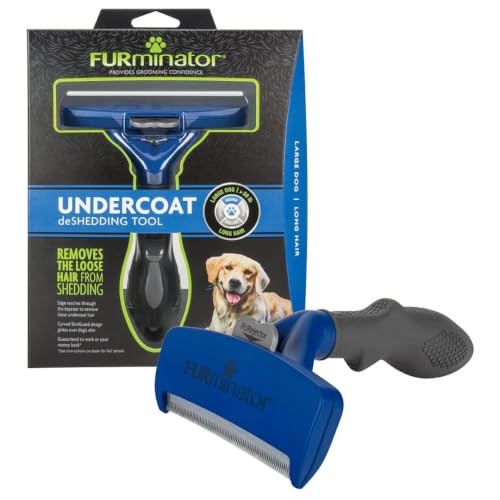
FURminator Undercoat deShedding Tool
A fine toothed edge slips past guard hairs and pulls loose undercoat out in impressive quantity, the design that made deshedding its own category. An ejector button clears the blade without picking fur off by hand. Light pressure and the right coat type matter, since overuse is what causes complaints about damaged coats.
Pros
- Removes far more undercoat than a slicker
- Ejector clears the blade in one press
- Sized options for different dogs and coats
Cons
- Cuts guard hairs if used too aggressively
- Unsuitable for single coated and curly breeds

Hertzko Self-Cleaning Slicker Brush
One button press pushes collected fur off the bristles through a retractable pin system, removing the most tedious part of brushing. Fine bent pins work through tangles and lift loose hair on most medium and long coats. Pins can scratch skin under heavy pressure, so keep the touch light.
Pros
- One press clears collected fur
- Works on the widest range of coats here
- Comfortable handle for longer sessions
Cons
- Pins scratch skin under heavy pressure
- Does not reach deep undercoat like a blade tool

Oster ShedMonster De-Shedding Tool
Rounded teeth reach through dense fur without the sharp cutting edge that blade tools use, making this gentler on guard hairs. Thick coated breeds benefit most, since a slicker simply glides over that surface. Removal volume runs slightly lower than a true blade tool.
Pros
- Gentler on guard hairs than blade tools
- Reaches through genuinely dense coats
- Comfortable grip angle for large dogs
Cons
- Removes less undercoat per stroke
- No fur ejection mechanism

Chris Christensen Big G Slicker Brush
Long flexible pins mounted on a cushioned pad work through a full length coat without breaking hair, the standard used in show grooming. Build quality shows immediately on a heavily coated breed. This is the most expensive brush here by a wide margin.
Pros
- Works through long coats without breaking hair
- Cushioned pad follows body contours
- Durable enough for professional use
Cons
- Highest outlay of any brush here
- Overkill for short or medium coats

DakPets Deshedding Brush
A stainless edge and a protective cover for storage bring blade style deshedding to a much lower outlay than the category leaders. Double coated dogs lose a genuinely useful amount of undercoat with this. The blade finish runs slightly coarser, so light strokes matter even more here.
Pros
- Blade style results at a lower outlay
- Cover protects the edge in a drawer
- Grip stays secure with wet hands
Cons
- Edge is coarser than premium blades
- No fur ejection button

KONG ZoomGroom
Rubber nubs lift loose hair from short coats through static and friction, and work brilliantly with shampoo in the bath where a metal tool would be useless. Most dogs seem to enjoy it, easing grooming for anxious animals. Deep undercoat on a thick double coat goes untouched by this tool.
Pros
- Excellent on short coats and during baths
- Most dogs find it comfortable
- Nothing to break and easy to clean
Cons
- Useless on deep undercoat
- Collected fur clings and needs rinsing off
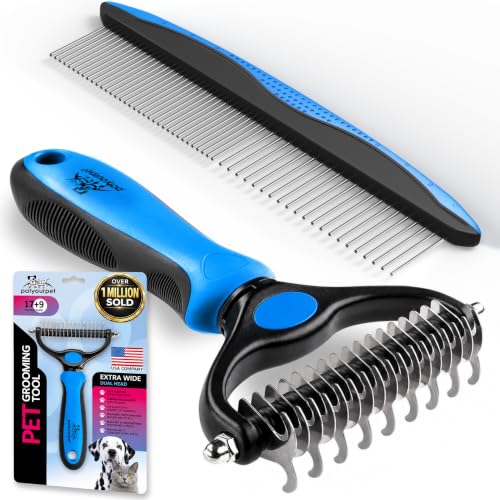
Pat Your Pet Deshedding Brush
A dematting side and a deshedding side cover two jobs on one modest tool. Medium coats respond reasonably well, making this a sensible first purchase before you know exactly what your dog needs. Neither side matches a dedicated single-purpose tool of the same type.
Pros
- Two functions in one inexpensive tool
- Good starting point before specialising
- Handles light mats without cutting
Cons
- Neither side matches a dedicated tool
- Blades dull faster than premium steel
Compared at a glance
| # | Model | Type | Best for | Score | Price |
|---|---|---|---|---|---|
| 1 | FURminator Undercoat deShedding Tool | Stainless steel deshedding edge | Best overall | 9.4 | Check price |
| 2 | Hertzko Self-Cleaning Slicker Brush | Self cleaning slicker brush | Best for everyday grooming | 9.2 | Check price |
| 3 | Oster ShedMonster De-Shedding Tool | Long tooth deshedding tool | Best for thick coats | 9.0 | Check price |
| 4 | Chris Christensen Big G Slicker Brush | Long pin slicker brush | Best for long coats | 8.8 | Check price |
| 5 | DakPets Deshedding Brush | Stainless steel deshedding blade | Best value | 8.6 | Check price |
| 6 | KONG ZoomGroom | Rubber grooming brush | Best for short coats and baths | 8.3 | Check price |
| 7 | Pat Your Pet Deshedding Brush | Two sided rake and deshedding tool | Best budget | 8.0 | Check price |
What to look for
How Do I Know My Dog’s Coat Type Before Buying a Brush? Double coated breeds like huskies, German shepherds, and many retrievers carry a soft dense undercoat under coarser guard hairs, and that undercoat sheds in clumps. Blade style deshedding tools are made for exactly that job. Single coated breeds and curly coated dogs like poodles and doodles have no undercoat to remove, so a blade tool just cuts and damages the coat they do have. Cats vary the same way, and getting this one thing right avoids nearly every bad outcome in this category.
Does Pressure or the Tool Cause Coat Damage? Almost every complaint about deshedding blades ruining a coat traces back to pressing hard and going over the same spot repeatedly. A tool should glide with the lay of the fur under its own weight, taking several light passes instead of one heavy one. Ten minutes once or twice a week does more than a marathon session, and it keeps the experience pleasant for the animal too.
Slicker Brush vs Undercoat Rake vs Rubber Brush: What’s the Difference? Slickers use fine bent pins to lift loose hair and work through small tangles, suiting most medium and long coats for regular maintenance. Undercoat rakes carry widely spaced long teeth that pull dense undercoat without cutting, useful on very thick coats. Rubber tools grip short hair through friction and are the only option that works properly with shampoo in the bath. Many households end up owning two of these rather than one.
When Is the Best Time to Deshed, and How Should I Maintain the Tool? Brushing after a bath and thorough dry works better, since clean fur releases more freely. Check the skin as you go for hot spots, scabs, or lumps, and stop immediately if redness develops behind the tool. Never run a blade tool over matted fur, since it pulls painfully rather than cutting through; mats need a dedicated dematting tool or a groomer instead. Rinse rubber tools, wipe metal blades dry after use, and store blade tools with their covers on.
Good to know
How often should I use a deshedding brush?
Once or twice a week for most double coated dogs, increasing during heavy seasonal shedding periods. Daily use of a blade tool risks irritation. Short sessions repeated regularly work far better than occasional long ones.
Can deshedding tools be used on cats?
Yes, with cat sized versions and a lighter touch, since cat skin is thinner and more delicate. Many cats tolerate short sessions well if you stop before they get restless. Avoid the belly and any area where the skin moves loosely under the tool.
Are deshedding brushes safe for doodles and poodles?
Blade style deshedding tools are not, because curly coats have no undercoat to remove and the blade cuts hair instead. Those coats need a slicker brush and a comb to prevent matting. Using the wrong tool on a doodle is one of the most common grooming mistakes.
Will a deshedding brush stop shedding entirely?
No. Shedding is a normal biological process and no tool halts it. A good tool removes loose hair before it lands on your sofa, which dramatically cuts down what you find around the house.
Why is my dog uncomfortable during brushing?
Usually too much pressure, a tool that is wrong for the coat, or working over mats and sensitive areas. Lighten your touch, keep sessions short, and check the skin for irritation. See a vet if discomfort persists even with gentle handling.
Should I brush before or after bathing?
Brush lightly before to remove loose hair and any tangles, since wetting a mat tightens it. Do the main deshedding session once the coat is clean and fully dry, when hair releases most easily.
How do I clean and store deshedding brushes?
Wipe metal blades dry after each use to prevent rust, and store them with any supplied cover fitted so the edge stays sharp. Rubber tools rinse clean under a tap. Pull hair out of slicker pads regularly, since packed fur reduces how well the pins work.
When does a deshedding blade need replacing?
When it stops pulling undercoat effectively and starts sliding over the coat, or if nicks appear in the edge. Some models offer replacement blades. Owners report a well cared for blade lasting years of regular household use.
Which deshedding brush is best for short haired dogs?
KONG ZoomGroom suits short and smooth coats best, using rubber nubs that lift loose hair through friction and work well in the bath with shampoo.
FURminator vs Hertzko, which one should I buy first?
FURminator Undercoat deShedding Tool removes more undercoat on double coated breeds, while Hertzko Self-Cleaning Slicker Brush suits a wider range of coats and everyday maintenance with less risk of overuse.
Our pick
For a double coated dog, FURminator Undercoat deShedding Tool removes the most loose undercoat and remains the reason this category exists, provided the pressure stays light. Hertzko Self-Cleaning Slicker Brush works as the safer everyday brush for the widest range of coats, and short haired dogs are far better served by KONG ZoomGroom.


