The Real Difference Between Cheap and Insulated Dog Doors
PetSafe Extreme Weather Aluminum Pet Door leads for its triple-flap insulation and magnetic seal. Endura Flap Thermo Panel 3e suits sliding doors and genuinely cold climates best. Ideal Pet Products Deluxe Aluminum Pet Door delivers dependable value where weather sealing matters less.
PetSafe Extreme Weather Aluminum Pet Door wins here because its three-flap system traps insulating air better than any single flap near its price. Endura Flap Thermo Panel 3e answers for cold climates and sliding-door installs. Ideal Pet Products Deluxe Aluminum Pet Door offers a dependable, affordable option once weather sealing matters less.
Flap stiffness has to balance against a dog’s willingness to push through, and that tension shapes every design decision here. Magnets and weather stripping decide whether wind lifts a flap, while frame material decides whether the door survives a decade outdoors. We compared flap construction, published insulation values, frame material, locking hardware, and size range, then weighed those against what owners report about drafts and flap replacement.
The best picks, ranked

PetSafe Extreme Weather Aluminum Pet Door
Three flaps in sequence trap insulating air pockets between layers. A center flap handles insulation while the outer two seal against the frame with magnets. Owners report noticeably fewer drafts than basic single-flap doors, and the aluminum frame resists warping.
Pros
- Best insulation among mainstream-priced doors
- Aluminum frame resists warping over time
- Locking slide adds nighttime security
Cons
- Three flaps require more push effort for small or timid dogs
- Needs a thicker cutout than single-flap doors
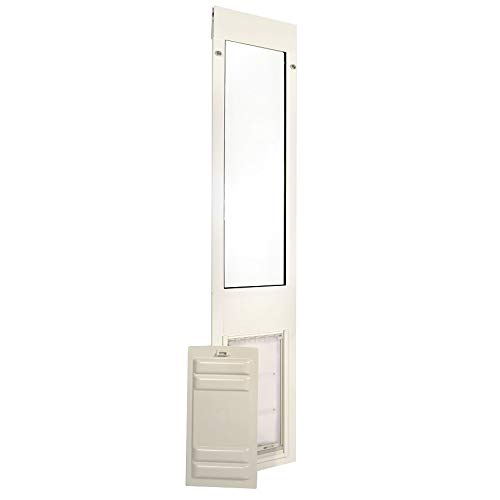
Endura Flap Thermo Panel 3e
A sliding-door track panel avoids cutting into a wall or door entirely. Its dual-pane polymer flap keeps a full perimeter seal and stays flexible even in freezing temperatures. Renters gain a removable, no-cut install, though the price runs higher than standard doors.
Pros
- Requires no cutting, ideal for rentals
- Flap stays flexible below freezing
- Seals tightly against wind-driven rain
Cons
- Costs more than standard framed doors
- Occupies part of the sliding-door opening

Ideal Pet Products Deluxe Aluminum Pet Door
A single vinyl flap with magnets handles mild weather without complexity. An included security panel closes the opening completely when needed. Aluminum framing installs into standard doors quickly, and replacement flaps stay easy to find.
Pros
- Proven design at a lower cost
- Replacement flaps are easy to source
- Available in sizes from small to extra large
Cons
- Single flap insulates poorly in cold climates
- Magnets can weaken after years of use

High Tech Pet Power Pet Fully Automatic Door
A motorized panel replaces the flap entirely, opening only when a dog’s ultrasonic collar comes near. That design keeps out other animals and seals the opening completely when idle. Extra security comes with added complexity: a power supply and a collar to maintain.
Pros
- Reliably excludes stray animals and wildlife
- Rigid panel seals better than any flap
- Sensing range adjusts to fit your yard
Cons
- Needs mains power and a charged collar
- Motor noise can startle some dogs at first

PetSafe Wall Entry Aluminum Pet Door
A tunnel kit lets this door cut through an exterior wall instead of a door. Interior and exterior aluminum frames finish both sides for a clean look. Dual flaps with magnetic closure add reasonable insulation for the format.
Pros
- Purpose-built kit for wall installation
- Dual flaps insulate better than single-flap doors
- Finished appearance on both sides of the wall
Cons
- Installation is a significant, permanent job
- Not reversible once the wall is cut

Petmate Plastic Pet Door
A plastic frame keeps cost and weight down for interior or lightly exposed exterior doors. Installation takes little time, and the flap swings easily for older or timid dogs. Wind and cold weather expose its limits quickly.
Pros
- Lowest cost and fastest install here
- Easy-swing flap suits hesitant or older dogs
- Light enough for hollow interior doors
Cons
- Poor insulation and wind resistance
- Plastic frame wears faster outdoors
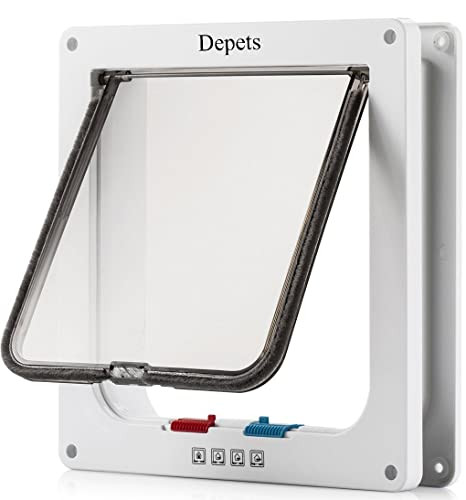
Depets Free Swing Pet Door
A free-swinging panel gives a dog access between rooms without a heavy flap to push. Quiet operation suits small or nervous dogs moving toward a garage or laundry room. A four-way lock controls which direction stays open.
Pros
- Very easy for small or nervous dogs
- Four-way lock controls travel direction
- Operates quietly between rooms
Cons
- Offers no weather sealing at all
- Limited to interior installations only
The lineup, side by side
| # | Model | Flaps | Best for | Score | Price |
|---|---|---|---|---|---|
| 1 | PetSafe Extreme Weather Aluminum Pet Door | Three, insulated centre | Best overall | 9.4 | Check price |
| 2 | Endura Flap Thermo Panel 3e | Sliding door track panel | Best for cold climates | 9.2 | Check price |
| 3 | Ideal Pet Products Deluxe Aluminum Pet Door | Aluminium | Best value | 9.0 | Check price |
| 4 | High Tech Pet Power Pet Fully Automatic Door | Motorised, collar activated | Best for security | 8.8 | Check price |
| 5 | PetSafe Wall Entry Aluminum Pet Door | Through wall with tunnel kit | Best for wall installs | 8.6 | Check price |
| 6 | Petmate Plastic Pet Door | Plastic | Best budget | 8.3 | Check price |
| 7 | Depets Free Swing Pet Door | Interior doors | Best for interior doors | 8.0 | Check price |
How to choose
How do you size a dog door correctly? Flap width should exceed a dog’s widest point, usually the shoulders or hips, by about two inches. Flap height needs to clear shoulder height with room to spare. Step-over height matters most: the bottom of the flap should sit no higher than roughly a third of the dog’s height. Getting that measurement wrong causes more refusals than any other sizing mistake.
Why does flap insulation matter so much? A single vinyl flap seals poorly once its magnets weaken, letting wind lift it on contact. Dual and triple-flap designs create air pockets that slow heat transfer substantially. Premium flaps add dual-pane construction with a full perimeter seal for genuinely cold regions. Heating bills reveal the difference within one winter in a cold climate.
Door, wall, or sliding panel: which install fits your home? Cutting into an exterior door remains the standard approach and fits most kits without modification. A through-wall install with a tunnel kit suits certain layouts but requires permanent cutting and careful attention to studs. Sliding-door panels need no cutting at all and can move with a renter. Cost runs higher for that convenience, but it remains the obvious choice for anyone who does not own the home.
How much does security matter with a dog door? Any flap large enough for a dog creates a potential entry point for something else. A locking panel used overnight closes that gap on manual doors. Electronic doors that open only for a collar tag exclude raccoons, stray cats, and neighborhood dogs entirely. Owners near woodland or bold local wildlife often say security was the feature they wish they had prioritized first.
Common questions
What size dog door do I need?
Measure a dog’s width at the widest point and add about two inches. Then check shoulder height clears the flap top, and confirm the flap bottom sits no higher than the dog’s belly.
Will a dog door make my house cold?
A single flap in a windy or cold spot definitely lets heat escape. Dual or triple-flap designs with magnetic closure and weather stripping cut that loss substantially. Severe winters call for an insulated dual-pane flap or an electronic door with a rigid panel.
Are dog doors a security risk?
Large flaps can create a vulnerability, which is why quality doors include a locking slide panel. Use that lock overnight or when away. Electronic collar-activated doors reduce risk further since the opening stays a solid panel by default.
Can I install a dog door myself?
Cutting into a hollow or solid wood door is a straightforward job with a jigsaw and the supplied template, usually an hour or two. Metal doors, glass doors, and wall installs get more involved and are often worth hiring out. Sliding-door panels need no tools beyond adjusting panel height.
How do I train my dog to use a dog door?
Prop the flap open at first so the opening stays visible, then call the dog through with a treat from the other side. Lower the flap gradually across several sessions. Forcing a dog through causes lasting reluctance, according to owner reports, so keep every attempt short and positive.
Will other animals get in through a dog door?
Raccoons, cats, and possums drawn by food smells sometimes do get in. A locking panel used overnight stops most of that. Electronic doors that respond only to a dog’s collar solve persistent wildlife problems reliably.
Can a dog door go in a glass or sliding door?
Sliding-door insert panels fit into the existing track and need no cutting. Tempered glass cannot be cut after manufacture, so a true glass install means replacing the pane with a precut unit. That is why insert panels remain the usual answer for sliding glass doors.
How often do dog door flaps need replacing?
Vinyl flaps typically last a few years in an exposed spot before cracking or losing their seal. Higher-grade polymer flaps last longer. Check replacement flap availability before buying, since a discontinued flap turns a good door into a drafty hole.
Dog door vs electronic pet door, which is better for security?
Electronic doors seal completely and exclude anything without the right collar, beating manual flaps on both counts. Manual doors cost less and need no power or batteries. Choose electronic wherever wildlife or security is the main concern.
The verdict
PetSafe Extreme Weather Aluminum Pet Door offers the best balance of insulation, durability, and price for most homes. Renters and anyone in a genuinely cold region should look at Endura Flap Thermo Panel 3e instead. High Tech Pet Power Pet Fully Automatic Door remains the only choice here that truly closes the opening against wildlife.


