Which Drywall Taping Tools Actually Save You Time
Level5’s 4-102 banjo taper loads compound onto tape in one pass, making it the fastest overall pick for finishing multiple rooms. The Goldblatt G02036 mud pan delivers strong value for holding and loading compound. Wal-Board Tools’ 6-piece set bundles everything a first-time drywall finisher needs at a low cost.
Level5’s 4-102 banjo taper coats and feeds tape in a single motion, cutting seam prep roughly in half versus hand-taping with just a knife. Its aluminum body stays light enough for overhead ceiling work, though new users need practice to avoid air bubbles under the tape.
Drywall tools range from single knives to loaded banjo tapers and flat boxes, so we compared blade material, tape capacity, and coverage speed to match each tool to job size and skill level.
Before you buy
What to look for in drywall taping tools Blade material and flex matter most for finish quality. Stainless steel resists rust between jobs, and a flexible blade feathers compound edges without leaving ridges. Tape capacity and pan size decide how often you stop to reload.
Tools for small repairs vs full room jobs A single knife and mud pan handle small patches without extra investment. Full rooms benefit from a flat finishing box, which applies and skims compound in one pass across long seams. Contractors switch tools based on job size, not personal preference.
Banjo tapers vs hand taping: which is faster A banjo taper speeds up flat seams by pre-coating tape as it feeds out. Hand taping with a knife still wins on short patches or tight corners where a banjo cannot maneuver. Most pros keep both on hand for different parts of the same job.
Which drywall tools fit your skill level Beginners often start with a basic knife set and mud pan before adding a banjo or flat box. Production tools like the Columbia flat box reward the practice needed to control mud thickness. Skipping straight to pro-grade gear before learning basic technique tends to waste compound.
The top picks, ranked
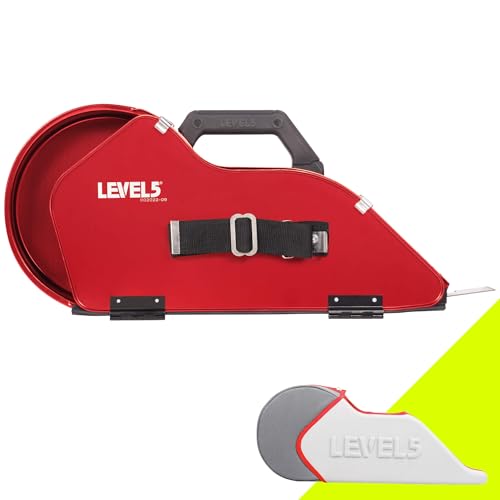
Level5 4-102 Drywall Banjo Taping Tool
This banjo pre-loads paper tape with joint compound as it feeds out. Seams get coated and taped in one motion instead of two. Aluminum construction keeps the tool light enough for overhead ceiling joints during long sessions.
Pros
- Coats and tapes seams in a single pass
- Light enough for overhead ceiling work
- Delivers consistent compound thickness along seams
Cons
- Takes practice to avoid trapped air bubbles
- Needs regular cleaning to prevent clogging
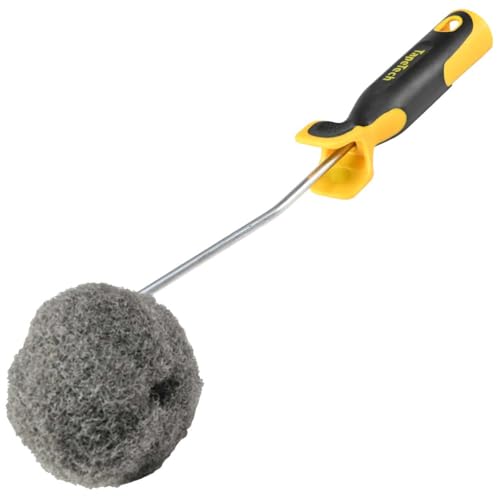
TapeTech TAPCR 2.5-Inch Corner Roller
Stainless steel wheels seat tape firmly into inside corners without trapping air. Buildup resistance keeps corners flat instead of bulging once compound dries. An ergonomic handle reduces wrist strain across long runs of drywall corners.
Pros
- Seats tape without trapping air bubbles
- Stainless wheels resist compound buildup
- Ergonomic handle eases wrist strain
Cons
- Handles only corner seams, nothing flat
- Costs more than a basic corner knife

Goldblatt G02036 14-Inch Stainless Steel Mud Pan
A 14-inch stainless pan holds enough compound for several passes before reloading. Rounded edges let a taping knife scrape clean without leaving ridges. Rust resistance keeps the pan usable job after job.
Pros
- Rounded edges keep knife blades clean
- Stainless finish resists rust over time
- Costs less than name-brand pans
Cons
- Lacks padded grip on the handle
- Sharp corners can nick knuckles if mishandled

Marshalltown DTK2 Drywall Taping Knife Set
Two stainless blades, 6-inch and 10-inch, cover first and second coats. Flexible steel bends enough to feather edges without gouging drywall paper. Non-slip handles keep grip steady through repeated strokes.
Pros
- Flexible blades feather edges cleanly
- Two sizes cover most coat stages
- Non-slip handles improve control
Cons
- No wider blade for a final skim coat
- Blades need thorough drying to avoid rust

Columbia Taping Tools 10-Inch Flat Finishing Box
A flat box applies and skims compound across a seam in one pass. Contractors finishing entire rooms rely on this speed to move between walls faster. Its stainless blade holds even mud thickness across long runs.
Pros
- Applies and skims in a single pass
- Holds consistent thickness across long seams
- Cuts sanding time versus knife application
Cons
- Overkill for a single small patch job
- Needs a compatible pump or handle to load

Warner Tool 12782 6-Inch and 12-Inch Stainless Steel Knife Set
Two stainless blades cover small patches and wider skim coats at a low price. Rust resistance beats the carbon steel found in cheaper sets. Occasional users get dependable results without a big upfront cost.
Pros
- Two knife sizes at a low price
- Stainless blades resist rust
- Comfortable for occasional repair jobs
Cons
- Handles wear faster than pro-grade sets
- Blades flex more than premium options

Wal-Board Tools 6-Piece Drywall Finishing Tool Set
Knives, a mud pan, and a corner tool arrive bundled in one kit. First-time finishers avoid buying separate pieces for a single project. Small patch jobs and single-room repairs fit this kit well.
Pros
- Bundles everything a beginner needs
- Good value for occasional DIY use
- Includes both a corner tool and mud pan
Cons
- Individual pieces wear faster than pro tools
- Not built for daily contractor use
The lineup, side by side
| # | Model | Type | Best for | Score | Price |
|---|---|---|---|---|---|
| 1 | Level5 4-102 Drywall Banjo Taping Tool | Banjo taper | Best overall | 9.3 | Check price |
| 2 | TapeTech TAPCR 2.5-Inch Corner Roller | Corner roller | Best for inside corners | 9.0 | Check price |
| 3 | Goldblatt G02036 14-Inch Stainless Steel Mud Pan | Mud pan | Best value | 8.8 | Check price |
| 4 | Marshalltown DTK2 Drywall Taping Knife Set | Taping knife set | Best for finishing coats | 9.1 | Check price |
| 5 | Columbia Taping Tools 10-Inch Flat Finishing Box | Flat finishing box | Best for production work | 9.2 | Check price |
| 6 | Warner Tool 12782 6-Inch and 12-Inch Stainless Steel Knife Set | Taping knife set | Best budget | 8.4 | Check price |
| 7 | Wal-Board Tools 6-Piece Drywall Finishing Tool Set | Multi-tool finishing kit | Best for beginners | 8.6 | Check price |
Good to know
What tools do you need to tape drywall seams?
A taping knife, mud pan, corner tool, and joint tape cover most jobs. A banjo taper or flat box speeds up larger rooms.
Is a banjo taper worth it for a DIY project?
It saves time on seams longer than a few feet. For one or two patches, a hand knife stays easier to control.
What size taping knife works best for drywall?
A 6-inch knife handles the first coat and small patches. A 10 to 12-inch knife feathers the second and third coats.
Can a metal corner roller damage paper tape?
No, a stainless roller like the TapeTech TAPCR seats paper tape into corners without trapping air bubbles.
Drywall knife vs mud pan: do you need both?
Yes. The pan holds and loads compound while the knife applies it, so the two are not interchangeable.
How do professionals tape drywall seams so quickly?
Contractors use loaded tools like banjo tapers and flat finishing boxes that apply compound and tape in fewer passes than hand taping.
Which drywall tool set works best for beginners?
A basic knife and mud pan kit, such as the Wal-Board Tools 6-piece set, keeps the learning curve manageable before adding specialized tools.
Do stainless steel taping knives rust over time?
Stainless resists rust far better than carbon steel, though any blade should be cleaned and dried after each use.
What is the best drywall finishing tool for a full room?
A flat finishing box like the Columbia 10-inch model applies and skims compound in one pass across long seams, which suits whole-room jobs better than a single knife.
The bottom line
Level5’s 4-102 banjo taper remains the strongest overall pick for anyone finishing more than a couple of rooms, since it cuts seam time well below hand taping. Beginners tackling a single patch job should start with the Wal-Board Tools 6-piece set instead, and contractors running production work get more mileage from the Columbia flat finishing box.