Top Eco Friendly Strategy Games for Conscious Players
For players who want to combine strategic depth with environmental themes, Wingspan is the top pick. It offers a beautiful engine builder centered on bird conservation. The game is ideal for nature lovers and hobbyists, with high replayability and polished components. Its main limitation is that it does not directly teach sustainability mechanics.
Eco friendly strategy games blend thoughtful gameplay with messages about nature, conservation, and sustainability. They challenge players to manage resources, build ecosystems, and make decisions that reflect real world environmental trade offs.
Whether you are a seasoned gamer or new to the hobby, these games offer a way to enjoy tabletop time while pondering our relationship with the planet. We have selected a variety of titles that stand out for their eco themes and solid mechanics.
The shortlist, ranked

Wingspan
Wingspan is a card driven engine builder where players attract birds to their wildlife preserves. Each bird has unique abilities, and the game focuses on habitat management and food chains. The theme is deeply rooted in ornithology, and the production uses recycled materials.
Pros
- Beautifully illustrated and high quality components
- Educational bird facts on every card
- Replayable with multiple strategies
Cons
- Can be slow with new players
- Luck of the draw can be frustrating
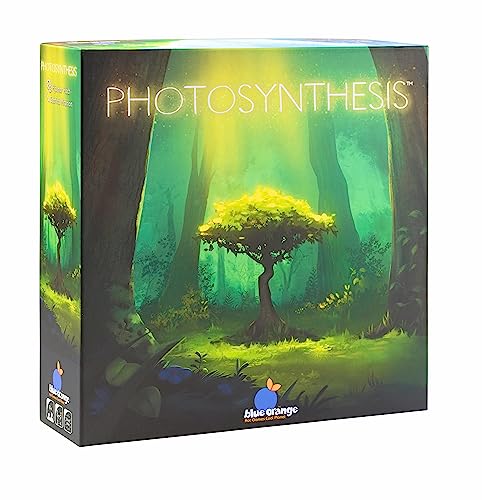
Photosynthesis
Photosynthesis puts players in control of a forest as they plant and grow trees to capture sunlight. The game uses a rotating sun token to simulate light and shadow, creating a dynamic spatial puzzle. It is a brilliant metaphor for ecological competition.
Pros
- Innovative sunlight mechanic
- Easy to learn but offers deep decisions
- Stunning board and pieces
Cons
- Player elimination possible
- Limited interaction between players

Cascadia
Cascadia is a tile laying game where players build diverse habitats and populate them with wildlife. It features five different animal species, each with its own scoring patterns. The game is praised for its relaxing yet strategic feel and its use of natural themes.
Pros
- Beautiful and calming atmosphere
- Simple rules with strategic depth
- Solo mode is well designed
Cons
- May feel too light for heavy gamers
- Scoring can be complex to explain

Evolution: Climate
Evolution: Climate adds a climate track to the classic Evolution game, where species adapt to changing temperatures and food availability. Players must balance survival with environmental shifts, learning about natural selection and climate impact.
Pros
- Teaches climate science in a fun way
- Interactive and dynamic gameplay
- High replayability with different climates
Cons
- Can be confrontational
- Some luck in card draws

Planet
Planet is a 3D world building game where players construct their own planet by placing terrain tiles to attract animals. It is a clever game about ecosystems and biodiversity, with a unique tactile component.
Pros
- Unique 3D planet component
- Family friendly and easy to teach
- Encourages spatial thinking
Cons
- Component quality can vary
- Limited player interaction

CO2: Second Chance
CO2: Second Chance is a deep economic game about reducing carbon emissions. Players run energy companies, investing in green technologies and completing projects to lower global CO2 levels. It offers a challenging puzzle with a serious environmental message.
Pros
- Deep strategic decisions
- Real world relevance
- Multiple paths to victory
Cons
- Long play time
- Complex rules for new players

Terraforming Mars
Terraforming Mars is a sprawling strategy game where players work to make Mars habitable. While not strictly eco themed, it involves managing resources and balancing industrial growth with environmental parameters like temperature and oxygen.
Pros
- Huge replayability
- Rich strategy and player interaction
- Expansive theme
Cons
- Long setup and play time
- Can be overwhelming for casual gamers
What to look for
The lineup, side by side
| # | Model | Players | Best for | Score | Price |
|---|---|---|---|---|---|
| 1 | Wingspan | 1 to 5 | Best for bird enthusiasts and engine builders | 9.4 | Check price |
| 2 | Photosynthesis | 2 to 4 | Best for spatial planning and light strategy | 9.1 | Check price |
| 3 | Cascadia | 1 to 4 | Best for wildlife habitat building | 9.0 | Check price |
| 4 | Evolution: Climate | 2 to 6 | Best for climate change simulation | 8.8 | Check price |
| 5 | Planet | 2 to 4 | Best for building your own world | 8.6 | Check price |
| 6 | CO2: Second Chance | 1 to 4 | Best for heavy economic strategy | 8.4 | Check price |
| 7 | Terraforming Mars | 1 to 5 | Best for terraforming and resource management | 9.2 | Check price |
Frequently asked questions
What defines an eco friendly strategy game?
An eco friendly strategy game typically has a theme centered on nature, conservation, or environmental challenges, and may also be produced with sustainable materials.
Are these games suitable for children?
Many are family friendly, but check the age rating. Games like Planet and Photosynthesis are accessible to younger players, while others are more complex.
Can these games be played solo?
Several offer solo modes, including Wingspan, Cascadia, and Terraforming Mars, providing a great experience for solo players.
Do these games have expansions?
Yes, many popular eco games have expansions, such as Wingspan’s European and Oceania expansions, adding more content and variety.
What is the average play time?
Play times range from 30 minutes for lighter games like Cascadia to over 2 hours for heavier games like Terraforming Mars.
Are these games competitive or cooperative?
Most are competitive, where players vie for points or objectives. Some, like CO2, have a cooperative element against a global threat.
How important is the eco theme to gameplay?
In games like Photosynthesis and Evolution: Climate, the theme is central to mechanics. In others, it may be more of a backdrop.
Do these games use recycled materials?
Some publishers explicitly state their use of recycled materials. Wingspan and Cascadia are known for eco conscious production.
Can I play these games with a large group?
Most support up to 4 or 5 players. For larger groups, you may need to combine expansions or choose games with higher player counts.
Where can I buy these games?
These games are widely available on Amazon and in local game stores. Check current listings for availability.
Final word
For most players, Wingspan is the best eco friendly strategy game due to its perfect blend of engaging mechanics, beautiful production, and authentic nature theme. If you prefer a spatial challenge, Photosynthesis is a brilliant choice. For those seeking deep economic strategy with an environmental message, CO2: Second Chance offers a rewarding experience. Ultimately, consider your group’s preferences and choose a game that will bring both fun and thoughtfulness to your table.