Engine Mounts Compared: OE Rubber vs Polyurethane
Anchor Premium Engine Mounts take the top spot for broad fitment and dependable OE-style damping. Dorman OE Solutions Engine Mounts cover the widest range of vehicles for less. Energy Suspension Hyper-Flex Motor Mount Inserts are the cheapest way to firm up an existing mount.
Anchor Premium Engine Mounts stand as the safest all-round replacement for daily drivers. Dorman OE Solutions Engine Mounts cover most applications for less. Energy Suspension Hyper-Flex Motor Mount Inserts firm up a tired mount without a full replacement.
The same part number can cover wildly different driving priorities, which makes engine mounts confusing to shop for. A stiffer mount sharpens throttle response but also sends every idle vibration straight into the steering wheel. We ranked these on construction type, stiffness, damping design, application coverage and what owners report about noise, vibration and harshness after installation.
How to choose
Rubber, hydraulic or polyurethane: how construction changes feel Factory mounts usually run bonded rubber, sometimes with a fluid-filled hydraulic chamber that absorbs low-frequency shake at idle. Polyurethane replaces that compliance with a much stiffer material, cutting engine movement but passing vibration straight through to the chassis. Fitting a plain rubber replacement in place of a hydraulic mount raises idle shake noticeably, even though the part physically fits. Match construction type to what the car came with, unless a firmer setup is the deliberate goal.
What durometer numbers predict about ride feel Polyurethane stiffness gets quoted on the Shore A durometer scale, where roughly 60A reads mild, 75A serves as a common street and light track compromise, and 90A and above belongs to racing. Every step up reduces engine movement and increases what reaches your hands and feet. For a car driven to work daily, 75A generally makes a sensible ceiling. Track-only builds tolerate harsher compounds since nobody needs to hold a conversation at idle.
Best engine mounts for a daily driver versus a track car A daily driver wants OE-style rubber or a mild polyurethane insert around 60A to 75A, keeping idle vibration manageable. A track or drag car benefits from firmer compounds near 90A that lock the drivetrain down under hard launches. Engine swap builds often split the difference, choosing a durometer based on how much street driving the car still sees.
Symptoms that actually point to a failed mount A heavy clunk when shifting from drive to reverse is the classic sign, along with a jolt through the car on hard acceleration. Vibration rises at idle and smooths out as revs climb, and someone blipping the throttle with the bonnet open can see the engine lift visibly. Exhaust rattling against the body and a suddenly notchy gear change can also trace back to a collapsed mount. Confirm visually before ordering parts, since worn transmission mounts produce similar symptoms.
Our top picks

Anchor Premium Engine Mount
Anchor’s premium line targets original equipment damping rather than improving on it, which is exactly right for a daily driver. Rubber compounds resist heat and oil, and fitment coverage stretches across a huge range of applications. It will not sharpen throttle response the way polyurethane does.
Pros
- Restores factory smoothness accurately
- Oil and heat resistant rubber compounds
- Extensive application coverage
Cons
- No performance benefit over stock
- Costs more than economy replacements

Dorman OE Solutions Engine Mount
Dorman’s OE Solutions line covers an enormous number of applications and often revises designs where the original part had a known failure mode. Fit and finish stay consistent, and parts are easy to source in a hurry. Rubber softness varies slightly between production batches compared with premium specialist brands.
Pros
- Broad coverage and easy to source
- Sometimes improves on flawed original designs
- Good value for a full mount replacement
Cons
- Rubber consistency varies between batches
- Lifespan can be shorter than premium mounts

Energy Suspension Hyper-Flex Motor Mount Inserts
These polyurethane inserts fill the hollow voids in a factory rubber mount, cutting engine movement without the labour of replacing the mount itself. For tired but not collapsed mounts, this is the cheapest meaningful improvement available. Cabin vibration rises noticeably, which is the tradeoff being made.
Pros
- Very cheap way to reduce engine movement
- Often installable without removing the mount
- Noticeably crisper throttle response
Cons
- Increases idle vibration in the cabin
- Does not help a mount that has already torn

Westar Standard Replacement Motor Mount
Westar specialises in mounts and strut components, carrying applications for older and less common vehicles mainstream brands have dropped. Availability often decides the purchase for anyone keeping an ageing car on the road. Quality lands as solid mid-tier rather than premium.
Pros
- Covers older vehicles others have dropped
- Mount specialist rather than a generalist brand
- Reasonable pricing for the coverage
Cons
- Mid tier rubber life rather than premium
- Finish quality is functional rather than neat

DEA Products Engine Mount
DEA carries a strong range for Japanese and Korean applications, including hydraulic mounts where the original design used fluid damping instead of plain rubber. Keeping that hydraulic design matters for restoring original idle smoothness. Coverage on domestic truck applications runs thinner.
Pros
- Offers true hydraulic mounts where fitted originally
- Good coverage of Japanese and Korean models
- Restores original idle smoothness
Cons
- Weaker coverage of domestic trucks
- Hydraulic versions cost noticeably more
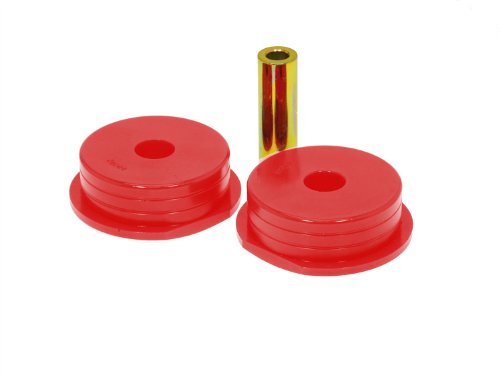
Prothane Motor Mount Insert Kit
Prothane’s polyurethane inserts sit at the firmer end even among performance options, locking the drivetrain down for launches and hard cornering. On a dedicated track or drag car that stiffness is exactly the point. On a commuter it produces enough idle buzz that most owners regret it within a week.
Pros
- Minimises drivetrain movement under load
- Durable material that outlasts rubber
- Available in several colours and durometers
Cons
- Substantial vibration increase at idle
- Poor choice for a daily driven car

Innovative Mounts 75A Replacement Engine Mount Kit
Engine swap builders reach for Innovative most often, since its kits come in selectable durometers that set the same chassis up for street or race use. The 75A compound runs mildest, the one to pick if the car still sees road miles. Kits stay application specific, and stock availability moves around.
Pros
- Purpose built for engine swap geometry
- Durometer choice lets you tune the feel
- Strong steel bracket construction
Cons
- Only covers popular swap combinations
- Even the softest compound is firmer than stock
How they stack up
| # | Model | Construction | Best for | Score | Price |
|---|---|---|---|---|---|
| 1 | Anchor Premium Engine Mount | Bonded rubber to steel | Best overall | 9.4 | Check price |
| 2 | Dorman OE Solutions Engine Mount | Bonded rubber to steel | Best value | 9.2 | Check price |
| 3 | Energy Suspension Hyper-Flex Motor Mount Inserts | Polyurethane insert | Best budget upgrade | 9.0 | Check price |
| 4 | Westar Standard Replacement Motor Mount | Bonded rubber to steel | Best for older vehicles | 8.8 | Check price |
| 5 | DEA Products Engine Mount | Rubber and hydraulic variants | Best for import applications | 8.6 | Check price |
| 6 | Prothane Motor Mount Insert Kit | High durometer polyurethane insert | Best for track use | 8.3 | Check price |
| 7 | Innovative Mounts 75A Replacement Engine Mount Kit | Polyurethane bushings in steel brackets | Best for engine swaps | 8.0 | Check price |
Frequently asked questions
How long do engine mounts last?
Rubber mounts commonly last well over 100,000 miles, though heat, oil contamination and hard driving shorten that considerably. Hydraulic mounts often fail earlier because the internal fluid leaks out over time.
What are the symptoms of a bad engine mount?
Clunking when shifting between drive and reverse, a jolt under acceleration, more vibration at idle, and visible engine movement when the throttle gets blipped with the bonnet open.
Should I use polyurethane mounts on a daily driver?
Only if you accept more vibration. Inserts in the 60A to 75A range make the usual compromise, while stiffer compounds turn a commuter car unpleasant at idle and in traffic.
Do I need to replace all engine mounts at once?
Not strictly, but it is usually wise. The remaining mounts have carried extra load, and mixing new stiff mounts with worn soft ones loads them unevenly.
Can I drive with a broken engine mount?
Short distances at low speed, yes, but continuing is not safe. Excess movement can damage the exhaust, driveshafts, hoses and wiring, and in severe cases the drivetrain can contact the body.
What is a hydraulic engine mount?
One with a fluid-filled chamber that damps low-frequency engine shake more effectively than rubber alone. Replacing a hydraulic mount with plain rubber usually raises idle vibration.
Are motor mount inserts as good as new mounts?
They serve a different purpose. Inserts firm up a mount that is still intact, which is cheap and effective. They cannot repair a mount whose rubber has already torn or separated.
How much engine movement is normal?
A small amount of rock under throttle is expected, since mounts are meant to flex. Movement large enough to see the engine lift an inch or contact surrounding components points to failure.
OE rubber vs polyurethane engine mounts: which is better?
OE rubber suits daily driving because it matches factory damping and keeps cabin vibration low. Polyurethane suits performance and track use, trading comfort for reduced drivetrain movement.
What is the best engine mount for an engine swap?
Innovative Mounts 75A Replacement Engine Mount Kit fits most swap builds, offering selectable durometers so the same chassis can lean toward street comfort or track stiffness.
The verdict
Anchor Premium Engine Mounts make the right default for a car driven every day, since matching original damping usually beats trying to improve on it. Dorman OE Solutions Engine Mounts cover almost anything for less. Energy Suspension Hyper-Flex inserts remain the cheapest way to tighten up drivetrain movement on mounts that are tired rather than torn.


