How to Pick a Garden Planter That Won’t Crack or Drown Roots
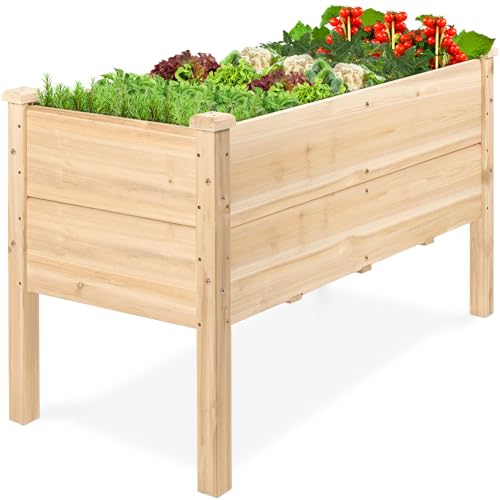
Keter Urban Bloomer 2-Tier Self Watering Raised Garden Bed tops this comparison, since its waist-height frame and built-in reservoir cut both bending and daily watering. Vego Garden’s 17-inch modular metal bed suits a dedicated vegetable plot. Bloem Ariana Self-Watering Planter covers patio containers at a lower price point.
Keter’s Urban Bloomer 2-Tier Self Watering Raised Garden Bed suits gardeners who struggle to kneel, thanks to its waist-height soil bed and built-in water reservoir. Assembly runs long and the resin frame costs more than a basic pot. Anyone dedicating one plot to vegetables long-term should look at Vego Garden’s modular steel bed instead.
Container gardening fails most often from poor drainage, undersized soil volume, or plastic that splits after one winter outdoors. We compared listed materials, drainage design, soil capacity, and self-watering features across seven current Amazon listings, weighing owner reports on cracking, fading, and reservoir reliability over a full growing season.
The top picks, ranked

Keter Urban Bloomer 2-Tier Self Watering Raised Garden Bed
Soil sits at waist height in this two-tier bed, removing the kneeling and bending that end most gardening habits. A window on the reservoir shows water level, so refills happen roughly once a week once plants establish. Two enclosed shelves underneath store tools and pots away from rain.
Pros
- Reservoir stretches watering intervals to about once a week
- Waist-height design spares knees and lower backs
- Resin shell resists rot, splintering and fading
Cons
- Assembly includes many parts and often runs past an hour
- Reservoir needs draining before cold-weather storage
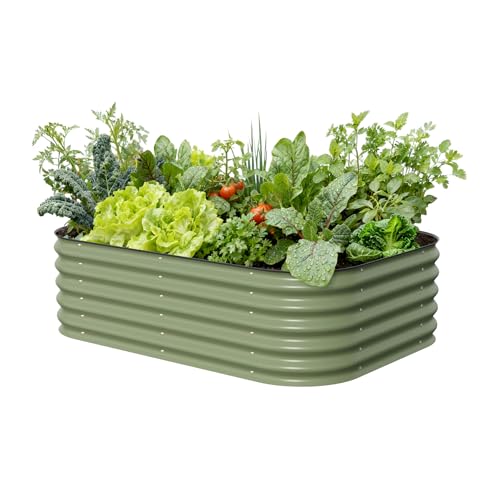
Vego Garden 17-inch Modular Metal Raised Garden Bed
Bolt-together steel panels replace welding, so a full bed assembles in under an hour with a household wrench. Seventeen inches of depth handles root vegetables without extra soil amendments. An aluzinc coating outlasts painted steel beds by resisting rust through repeated freeze-thaw cycles.
Pros
- Panels resist denting and rust better than untreated steel
- Modular pieces allow custom bed shapes and lengths
- Ten-year warranty covers the protective coating
Cons
- Filling 17 inches of depth requires a large volume of soil
- Metal walls heat up faster than wood under direct sun

Bloem Ariana Self-Watering Planter
Water wicks upward from a built-in reservoir, keeping thirsty patio tomatoes and annuals hydrated between refills. An overflow hole vents excess water so heavy rain cannot drown the roots. UV inhibitors mixed into the resin keep the color from fading across a full outdoor season.
Pros
- Reservoir extends the gap between waterings
- Overflow hole guards against root rot after storms
- Three sizes fit different plant footprints
Cons
- Filled large sizes get heavy to reposition
- Reservoir needs periodic rinsing to prevent algae buildup

VIVOSUN 5-Pack 7-Gallon Grow Bags
Water drains from anywhere across these fabric walls instead of pooling at one hole. Roots air-prune on contact with the fabric, building a denser network than rigid pots produce. Reinforced handles let one person carry a filled bag between patio and storage.
Pros
- Porous fabric stops waterlogging and root circling
- Bags fold flat for off-season storage
- Five bags cover multiple crops in one purchase
Cons
- Fabric dries out faster than plastic during hot spells
- Seams weaken after several seasons of repeated use
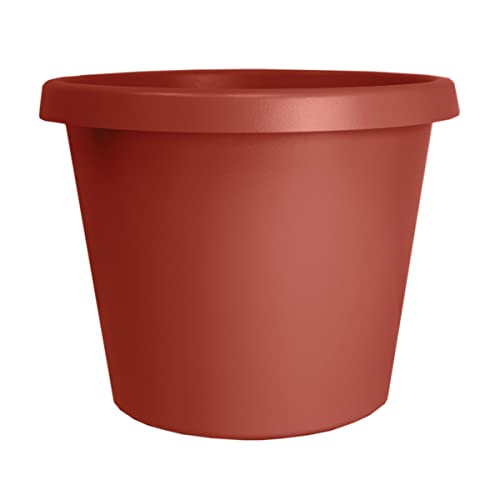
The HC Companies 20-inch Sherwood Planter
Double walls trap air between layers, insulating roots from summer heat better than single-wall plastic. A removable plug switches the planter between drained and sealed use depending on the plant. Empty weight stays manageable despite the 20-inch diameter, easing placement on a deck.
Pros
- Double-wall design shields roots from heat swings
- Removable plug adds drainage flexibility
- Thick USA-made plastic resists cracking
Cons
- No self-watering reservoir comes included
- Filled planter still needs two people to move

Ashman Deck Rail Planter
Hooks let this planter hang directly over a deck or balcony rail, keeping floor space open. Drainage holes pair with catch trays underneath, so runoff never stains the deck boards. Two included inner pots suit annuals, while filling the trough directly works for a bigger planting.
Pros
- Frees floor space on small balconies and decks
- Catch trays protect deck boards from water stains
- Fits most standard rail thicknesses
Cons
- Not rated for unusually thick or shaped rails
- Lightweight plastic can crack during hard freezes

Novelty Cara Round Planter
Knockout holes stay sealed until a buyer scores them, so one planter serves outdoor beds or indoor use with a saucer. A stone-look finish mimics ceramic without the weight or the cost. The round shape suits anything from a single herb to a small shrub.
Pros
- Lower cost per size than most resin planters
- Knockout drainage adapts to indoor or outdoor use
- Light enough for one person to move around a patio
Cons
- Plastic feels thinner than premium resin competitors
- Color fades faster under strong, direct sun
How they compare
| # | Model | Material | Best for | Score | Price |
|---|---|---|---|---|---|
| 1 | Keter Urban Bloomer 2-Tier Self Watering Raised Garden Bed | Weatherproof resin | Best overall | 9.4 | Check price |
| 2 | Vego Garden 17-inch Modular Metal Raised Garden Bed | Aluzinc coated steel panels | Best for raised bed vegetable growing | 9.2 | Check price |
| 3 | Bloem Ariana Self-Watering Planter | UV resistant resin | Best value | 9.0 | Check price |
| 4 | VIVOSUN 5-Pack 7-Gallon Grow Bags | Breathable non-woven fabric | Best for potatoes and root vegetables | 8.8 | Check price |
| 5 | The HC Companies 20-inch Sherwood Planter | Double-wall polyethylene plastic | Best for heat insulation on patios | 8.5 | Check price |
| 6 | Ashman Deck Rail Planter | Durable plastic | Best for balcony rail mounting | 8.2 | Check price |
| 7 | Novelty Cara Round Planter | Injection molded plastic | Best budget | 8.0 | Check price |
What to look for
What to look for in a garden planter Material decides lifespan before anything else. Resin and double-wall plastic resist cracking and fading longer than thin single-wall plastic, and aluzinc-coated steel holds up better than painted metal. Drainage matters equally: a planter with one small hole, or none, drowns roots after a heavy rain unless an overflow path exists. Capacity should match the plant rather than the budget, since a tomato or pepper needs at least five gallons of soil while herbs get by on half that.
Raised beds vs container planters A raised bed suits gardeners committing one patch of ground to vegetables for years. Twelve to seventeen inches of depth covers most root crops and buffers plants against summer heat swings better than a container can. Standalone planters win on flexibility, since they follow the sun, move indoors before frost, and work on a rented patio where digging isn’t allowed. Renters and small-yard gardeners typically get more use from containers than from a permanent bed.
How self-watering reservoirs work A reservoir sits beneath the soil and wicks moisture upward through a fabric or plastic barrier as the top layer dries out. That mechanism stretches watering from a daily task to roughly a weekly one for many plants. Standing water still needs an exit during heavy rain, which is why an overflow hole matters on any reservoir design. Algae can build up over a season, so rinsing the reservoir periodically keeps the wicking layer functional.
Best planters for small balconies and patios Floor space, not soil volume, is the real constraint on a balcony. Rail planters solve that by hanging over an existing railing instead of occupying deck boards. Weight limits matter too, since building codes cap how much a balcony can hold once soil, water, and pots add up. Lightweight resin or fabric options keep total weight well below ceramic or filled metal beds, which counts most on upper-floor units.
Questions worth asking
What size planter do vegetables need?
Fruiting vegetables like tomatoes and peppers need at least five gallons of soil, and larger varieties do better with seven to ten. Shallow-rooted herbs and lettuce manage in two to three gallons. Undersized containers dry out quickly and stunt root growth, so sizing up beats sizing down.
Is a raised garden bed better than a planter box?
A raised bed holds more soil and buffers roots against temperature swings better than a smaller box. It also stays put for years, suiting a permanent vegetable garden. A planter box wins for renters, anyone rearranging a patio, or gardeners who move plants indoors before frost.
Are fabric grow bags better than plastic planters?
Fabric bags drain evenly across the whole surface and air-prune roots, producing a fuller root system than many rigid pots allow. They dry out faster in hot weather, so watering needs increase. Plastic and resin hold moisture longer and last more seasons before wearing out.
Can self-watering planters cause root rot?
Yes, if the reservoir lacks an overflow outlet and heavy rain fills it past the wicking layer. Roots sitting in standing water for days rot regardless of reservoir design. A planter with a stated overflow hole avoids most of this risk.
What is the best garden planter for a small balcony?
A rail planter that hangs over the railing keeps floor space clear, which counts most on tight balconies. Lightweight resin pots come in second for anyone without a suitable rail. Check the building’s weight limit before adding several large filled containers to one balcony.
How many drainage holes does a garden planter need?
One hole rarely suffices for a planter over 12 inches wide, since water pools at the edges before reaching a single center hole. Several holes spread across the base drain more evenly. Fabric grow bags sidestep the question entirely, since the whole surface drains.
Do metal raised beds get too hot for roots?
Bare metal walls warm faster than wood or resin in direct sun, which can stress roots pressed against the wall. Coated steel beds like aluzinc panels perform better than painted steel because the coating reflects more heat. A mulch layer over the soil surface also helps regulate temperature inside the bed.
Which garden planter material lasts longest outdoors?
UV-stabilized resin and coated galvanized steel both hold up for many seasons without cracking or rusting. Thin single-wall plastic and untreated wood degrade fastest, especially in freeze-thaw climates. Double-wall plastic sits between the two, trading some durability for lower weight and cost.
How deep should a planter be for tomatoes and peppers?
Twelve inches of depth covers most tomato and pepper root systems without extra soil amendments. Deeper beds around 17 inches give roots more buffer during summer heat swings. Shallower planters work fine for herbs and lettuce, which root closer to the surface.
Our take
Keter’s Urban Bloomer 2-Tier Self Watering Raised Garden Bed suits most yards, since its elevated height and built-in reservoir solve the two habits that end most people’s gardening: bad knees and forgotten watering. Anyone committing a full bed to vegetables should choose Vego Garden’s modular metal bed instead, since 17 inches of depth beats what any container offers. Renters without floor space for either option should start with the Ashman Deck Rail Planter.