Top Hangboards for Climbing Strength in 2026
The Metolius Simulator 3D is the top pick for most climbers. It offers a variety of holds that suit beginners and advanced athletes. Its main advantage is its versatility, but its main limitation is that it requires a sturdy mounting surface.
Hangboards are a staple for climbers who want to build finger strength and endurance at home. With so many options, choosing the right one can be overwhelming.
We compared top-rated models to help you find a board that matches your skill level and training goals. From beginner-friendly designs to advanced tools, each board offers unique features.
The top picks, ranked
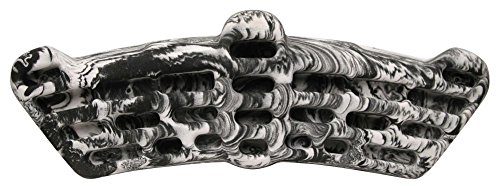
Metolius Simulator 3D
The Metolius Simulator 3D features a 3D surface that mimics real rock. It has 10 different hold types, including slopers, crimps, and pockets. Climbers appreciate its comfortable edges and variety.
Pros
- Versatile hold variety
- Comfortable 3D grip
- Suitable for all levels
Cons
- Requires solid wall mounting
- Can be intimidating for beginners
Beastmaker 1000 Series Hangboard
The Beastmaker 1000 is a wooden board designed for intermediate climbers. It features a variety of edges and slopers that help build balanced finger strength. Its smooth surface reduces skin wear.
Pros
- Wooden surface is kind to skin
- Good progression from beginner
- Compact design
Cons
- Not for absolute beginners
- Requires careful installation

Metolius Wood Grips Deluxe
The Metolius Wood Grips Deluxe offers a natural wood feel that many climbers prefer. It includes various holds like slopers, crimps, and pinch grips. The board is ideal for those who want a comfortable training surface.
Pros
- Warm wood surface
- Good for skin health
- Multiple hold types
Cons
- Less variety than some plastic boards
- May be too smooth for some

Trango Rock Climbing Hangboard
The Trango hangboard is designed for advanced climbers. It features a wide range of small edges and pockets for intense finger training. The board is compact and easy to mount.
Pros
- High difficulty holds
- Space-saving size
- Durable build
Cons
- Too difficult for beginners
- Limited grip variety
So iLL Hangboard (The Board)
So iLL’s hangboard focuses on grip strength with a unique design. It includes both deep and shallow edges, plus a smooth surface for sloper training. Users report solid construction.
Pros
- Great for grip endurance
- Rounded edges reduce injury risk
- Simple, effective design
Cons
- Not as many hold types
- May require extra padding

Lattice Training Rung Board
The Lattice Rung Board is a simple, effective tool for measuring finger strength. It features a single rung that can be used for max hangs. Ideal for those following structured training plans.
Pros
- Precise edge size
- Lightweight and portable
- Great for tracking progress
Cons
- Minimalist design
- Not for general use

ClimbAxe Adjustable Hangboard
The ClimbAxe hangboard can be adjusted to different angles, allowing you to change difficulty. It mounts to a wall or door frame and is great for small spaces. It includes multiple holds.
Pros
- Adjustable angle for progression
- Easy to install
- Compact for travel
Cons
- Less stable than fixed boards
- Plastic texture may be harsh
Compared at a glance
| # | Model | Dimensions | Best for | Score | Price |
|---|---|---|---|---|---|
| 1 | Metolius Simulator 3D | 24 x 8.5 x 3 inches | All-around training | 9.4 | Check price |
| 2 | Beastmaker 1000 Series Hangboard | 23.6 x 8.7 x 2.8 inches | Intermediate climbers | 9.2 | Check price |
| 3 | Metolius Wood Grips Deluxe | 23.5 x 8.5 x 3 inches | Comfort and texture | 9.0 | Check price |
| 4 | Trango Rock Climbing Hangboard | 18 x 6 x 2 inches | Advanced training | 8.8 | Check price |
| 5 | So iLL Hangboard (The Board) | 19 x 7 x 3 inches | Grip strength | 8.6 | Check price |
| 6 | Lattice Training Rung Board | 12 x 4 x 2 inches | Finger strength measurement | 8.4 | Check price |
| 7 | ClimbAxe Adjustable Hangboard | 24 x 8 x 5 inches | Home gyms with low ceilings | 8.0 | Check price |
How to choose
Good to know
Can beginners use a hangboard?
Yes, but they should start with large holds and minimal weight. It is important to build a foundation of finger strength before attempting smaller edges.
How often should I train on a hangboard?
Most experts recommend 2 to 3 sessions per week, with at least 48 hours of rest between sessions. Overtraining can lead to injuries.
What is the difference between wood and plastic hangboards?
Wooden boards are smoother and less harsh on skin, while plastic boards often have more texture and may be more durable. Your choice depends on personal preference.
Can I mount a hangboard on drywall?
It is not recommended to mount a hangboard directly to drywall. You need to attach it to a wooden stud or use a sturdy mounting system.
How do I know which edge size to use?
Beginners should use larger edges (around 20mm or more). As you progress, you can move to smaller edges to increase difficulty.
Are there any risks with hangboard training?
There is a risk of finger injuries, especially if you train too hard or do not warm up properly. Always listen to your body and stop if you feel pain.
Can I use a hangboard without a climbing gym membership?
Yes, that is the main advantage of a hangboard. It allows you to train at home, but you still need other exercises for overall climbing fitness.
What is the best way to hang on a hangboard?
Use an open hand crimp or a half crimp, and keep your shoulders engaged. Start with both feet on the ground and gradually lift your feet for more weight.
The bottom line
For most climbers, the Metolius Simulator 3D is the best choice because it balances versatility and comfort. If you are an advanced athlete seeking a challenge, the Trango hangboard offers the intensity you need.