Raised Garden Beds That Can Take a Beating
The Best Choice Products 48x24x30 Galvanized Raised Garden Bed is our top pick for most backyards. It offers a tall, deep design that minimizes bending and maximizes root space, all in a rust-resistant galvanized steel frame. Its main limitation is the need for careful assembly to avoid sharp edges, but owners report it holds up well for years.
A raised garden bed is a big investment. You want one that won’t rot, rust, or fall apart after a few seasons. Heavy duty options made from galvanized steel, corrugated metal, or thick cedar are the best way to go.
We looked at dozens of models to find the toughest, most practical beds for backyard use. Our list includes tall beds for accessibility, large beds for growing lots of food, and modular kits that expand with your garden.
The best picks, ranked
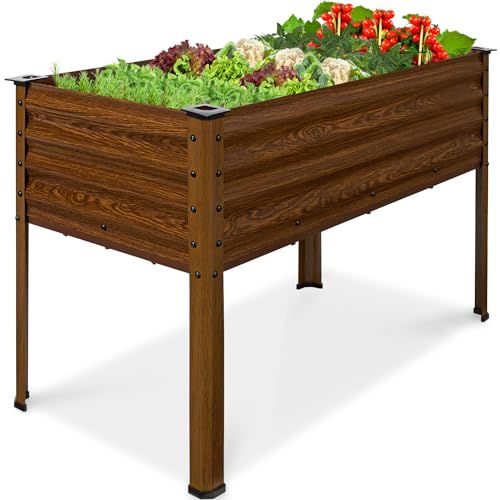
Best Choice Products 48x24x30 Galvanized Raised Garden Bed
This bed stands 30 inches high, which is comfortable for most people to tend without bending. The galvanized steel resists rust and corrosion, and the open bottom allows deep root growth. Owners report that it is sturdy and holds up well in harsh weather.
Pros
- Tall height reduces back strain
- Rust resistant coating
- Sturdy and stable once assembled
Cons
- Sharp edges during assembly
- No bottom, so weeds can come up

Keter City 48 Galvanized Raised Garden Bed
The Keter City bed snaps together in minutes, with no tools needed. Its dual wall construction is both strong and weather resistant. The wood-like finish looks great, and the self-watering tray at the bottom helps keep plants hydrated.
Pros
- No tools required for setup
- Durable against rust and rot
- Water tray reduces watering frequency
Cons
- Smaller capacity than similar sizes
- Plastic parts may fade in sun

Yaheetech 8x2x1 ft Galvanized Raised Garden Bed
This 8 foot long bed gives ample space for vegetables, herbs, or flowers. The galvanized steel panels are thick and rigid, and the bed is reinforced with a center brace to prevent bulging. Owners report that it is easy to assemble and very sturdy.
Pros
- Long length for big gardens
- Thick steel panels
- Center support prevents bowing
Cons
- Low height may not suit those with back issues
- Needs level ground for stability

VEVOR Raised Garden Bed with Fence
This bed comes with a sturdy metal fence frame that keeps out rabbits, deer, and other critters. The galvanized steel bed is 17 inches deep, and the fence adds 3 feet of protection. A gate allows easy access for harvesting.
Pros
- Integrated fence deters pests
- Generous depth for roots
- Gate for easy access
Cons
- Assembly takes longer
- Heavier to move

Miusen 4x2x1 ft Corrugated Raised Garden Bed
Made from corrugated galvanized steel, this bed has a classic farmhouse look. The corrugation adds strength, and the rolled top edges are safe to the touch. It comes in multiple sizes, but the 4×2 foot is a popular choice.
Pros
- Unique, stylish design
- Rolled edges prevent cuts
- Lightweight yet strong
Cons
- Shallow depth for some root vegetables
- No bottom, so weeds may come through

GreenStalk 5 Tier Vertical Garden Planter
If you have limited ground space, the GreenStalk lets you grow up to 50 plants in a 2 foot footprint. Each tier rotates for easy access to sunlight. The heavy duty plastic is UV resistant and designed to last outdoors.
Pros
- Large growing capacity vertically
- Rotating tiers for even sun
- Great for small patios
Cons
- Not a traditional raised bed
- Plastic may become brittle in extreme cold

Yaheetech 6x2x1 ft Cedar Raised Garden Bed
Cedar is naturally rot resistant, making it a great choice for an untreated wood bed. This 6 foot long bed is built with solid cedar boards and steel corner brackets for extra stability. The wood can be left to age naturally or sealed for preservation.
Pros
- Natural, chemical free material
- Cedar resists moisture and pests
- Classic appearance that blends with gardens
Cons
- Heavier than metal beds
- May need sealing to maintain color
What to look for
The lineup, side by side
| # | Model | Dimensions | Best for | Score | Price |
|---|---|---|---|---|---|
| 1 | Best Choice Products 48x24x30 Galvanized Raised Garden Bed | 48 x 24 x 30 inches | Tall, deep planting in small spaces | 9.4 | Check price |
| 2 | Keter City 48 Galvanized Raised Garden Bed | 48 x 24 x 30 inches | Quick assembly without tools | 9.1 | Check price |
| 3 | Yaheetech 8x2x1 ft Galvanized Raised Garden Bed | 96 x 24 x 12 inches | Large rectangular planting areas | 8.9 | Check price |
| 4 | VEVOR Raised Garden Bed with Fence | 48 x 24 x 17 inches bed, 36 inch fence | Protecting plants from animals | 9.0 | Check price |
| 5 | Miusen 4x2x1 ft Corrugated Raised Garden Bed | 48 x 24 x 12 inches | Rustic appearance and durability | 8.8 | Check price |
| 6 | GreenStalk 5 Tier Vertical Garden Planter | 17 x 17 x 50 inches | Maximizing vertical space | 8.7 | Check price |
| 7 | Yaheetech 6x2x1 ft Cedar Raised Garden Bed | 72 x 24 x 12 inches | Natural wood look and sustainability | 8.6 | Check price |
Frequently asked questions
What is the best material for a heavy duty raised garden bed?
Galvanized steel is the most popular choice because it resists rust and lasts many years. Cedar is also excellent for its natural rot resistance. Avoid thin plastic or untreated pine if you want a bed that lasts more than a couple of seasons.
How deep should a raised garden bed be for vegetables?
Most vegetables need at least 12 inches of soil. Deep rooted plants like tomatoes, carrots, and potatoes prefer 18 to 24 inches. If your bed is shallow, you can plant leafy greens and herbs.
Do raised garden beds need a bottom?
No, most raised beds are open to the ground. This allows roots to go deeper and improves drainage. If you have a hard surface or want to prevent pests like gophers, you can add a bottom liner, but confirm it does not impede drainage.
How much soil do I need to fill a raised bed?
Calculate the volume by multiplying length, width, and depth in feet, then multiply by 0.8 to account for settling. For example, a 4x2x1 foot bed needs about 6.4 cubic feet of soil. Use a mix of topsoil, compost, and perlite for best results.
Can I place a raised garden bed on grass?
Yes, but it is recommended to remove the grass or lay down cardboard to kill it before placing the bed. This prevents weeds from growing up into the bed and allows the soil to drain naturally.
How often should I water a raised garden bed?
Raised beds drain faster than ground soil, so they may need more frequent watering. Check the soil moisture daily, especially in hot weather. A layer of mulch helps retain moisture.
Will galvanized steel leach chemicals into the soil?
Modern galvanized steel uses a zinc coating that is generally safe for gardening. Over time, small amounts of zinc may enter the soil, but levels are not harmful for most plants. Avoid using galvanized beds that are heavily scratched or corroded.
What is the best way to prevent weeds in a raised bed?
Place a layer of cardboard or landscape fabric at the bottom before adding soil. This blocks weeds from below. Also, use fresh soil mix that is free of weed seeds, and apply a mulch on top to suppress new weeds.
The verdict
For most backyard gardeners, the Best Choice Products raised bed is the clear winner. It combines a tall, accessible height with durable galvanized steel at a reasonable price. If you need to keep animals out, the VEVOR bed with fence is a smart upgrade. For those who prefer a natural look that lasts, the cedar option is a solid choice, but be prepared for higher maintenance.


