Heavy Duty Hydration Packs Built for Family Camping Trips
For most families, the CamelBak Mule 12 is the top pick. It offers a 3-liter reservoir, durable construction, and ample storage for day hikes. Its main advantage is the balanced mix of comfort and organization. The main limitation is that it lacks a padded hip belt, which some prefer for heavy loads.
Family camping often means long hikes with kids, extra layers, and plenty of snacks. A hydration backpack that can handle rough use while keeping everyone hydrated is essential. We picked seven rugged models that stand up to the outdoors.
Each pack in this list is built for heavy duty. They feature tough materials, large reservoirs, and smart pockets. We focused on real-world needs like easy cleaning, comfortable straps, and enough space for family essentials.
What we recommend

CamelBak Mule 12 Hydration Pack
The CamelBak Mule 12 is a favorite among hikers. It holds 3 liters of water and 9 liters of gear. The harness is comfortable, and the magnetic tube trap keeps the hose handy. It is built to last with durable fabric.
Pros
- Comfortable harness with adjustable sternum strap
- Magnetic hose retention for easy access
- Great warranty from CamelBak
Cons
- No padded hip belt for heavy loads
- Reservoir can be difficult to fill in some sinks

Osprey Daylite 12L Hydration Pack
The Osprey Daylite is a compact pack that fits smaller frames. It includes a 2.5-liter reservoir and has room for snacks and a light jacket. The fabric is tough, and the design is simple. It is a great choice for older kids on family hikes.
Pros
- Lightweight and comfortable
- Easy to clean reservoir
- Compatible with Osprey’s lifetime warranty
Cons
- Smaller water capacity than others
- Limited organization for larger items

Gregory Nano 18 H2O
The Gregory Nano 18 offers 18 liters of total space, making it one of the roomiest packs on this list. It comes with a 3-liter reservoir and features a breathable back panel. The pack is well-made and comfortable, even when loaded.
Pros
- Large main compartment for gear
- Ventilated back panel reduces sweating
- Secure zippered pockets
Cons
- Heavier than some others
- Hip belt is thin
Platypus Duthie A.M. 10 Hydration Backpack
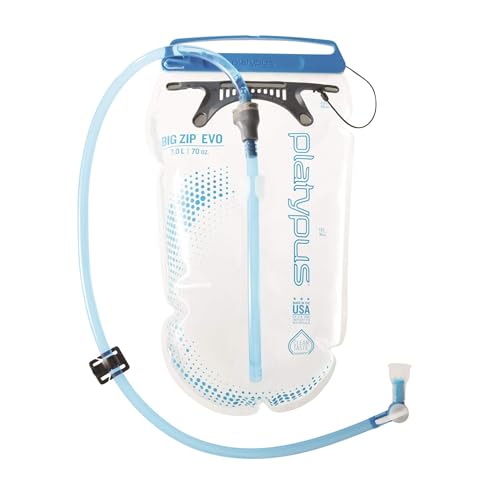
Platypus is known for tough hydration systems, and the Duthie A.M. 10 is no exception. It has a 2.5-liter reservoir that is easy to fill and clean. The pack is made with recycled materials and has a simple design. It is built to handle rough brush and rocky trails.
Pros
- Top-rated reservoir durability
- Easy to clean and dry
- Eco-friendly materials
Cons
- Smaller capacity
- Limited external attachment points

Salomon XA+ 15 Set
The Salomon XA+ 15 is a sleek pack that moves with you. It comes with two soft flasks instead of a traditional reservoir, which some prefer. The pack hugs the body and is very stable during movement. It is a good option for families who like to jog or move quickly.
Pros
- Secure fit with minimal bounce
- Multiple pockets for quick access
- Lightweight design
Cons
- No hands-free hydration option
- Flasks can be tricky to fill

TETON Sports Hiker 3.0 Hydration Pack
The TETON Sports Hiker 3.0 is an affordable option that still delivers. It includes a 2-liter reservoir and has 25 liters of total space. The pack has many pockets and is made with durable materials. It is a great choice for families on a budget.
Pros
- Large capacity for the price
- Padded hip belt and shoulder straps
- Includes rain cover
Cons
- Heavier and bulkier
- Reservoir quality is lower
High Sierra Hydration Pack 2.0
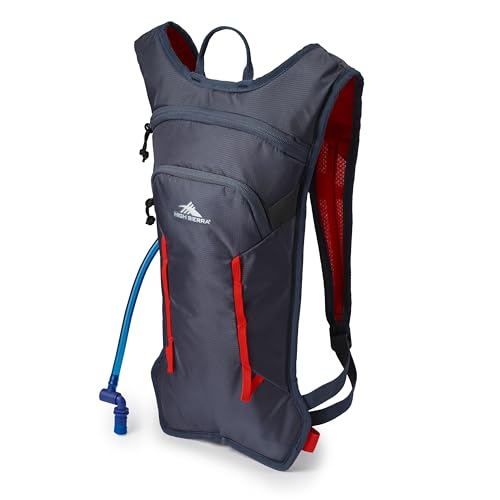
The High Sierra Hydration Pack is a solid choice for casual family hikes. It has a 2-liter reservoir and 20 liters of storage. The pack features a padded back panel and multiple pockets. It is simple to use and comfortable for day trips.
Pros
- Plenty of pockets for organization
- Comfortable for all day wear
- Affordable price point
Cons
- Straps may not fit all body types
- Bladder tube can kink
How they compare
| # | Model | Capacity | Best for | Score | Price |
|---|---|---|---|---|---|
| 1 | CamelBak Mule 12 Hydration Pack | 12 liters total (3L water, 9L gear) | All-around family day hikes | 9.4 | Check price |
| 2 | Osprey Daylite 12L Hydration Pack | 12 liters total (2.5L water, 9.5L gear) | Kids and small adults | 9.1 | Check price |
| 3 | Gregory Nano 18 H2O | 18 liters total (3L water, 15L gear) | Longer day trips with extra gear | 9.0 | Check price |
| 4 | Platypus Duthie A.M. 10 Hydration Backpack | 10 liters total (2.5L water, 7.5L gear) | Rugged trail use | 8.8 | Check price |
| 5 | Salomon XA+ 15 Set | 15 liters total (2 flasks of 500ml each) | Trail running and fast hiking | 8.6 | Check price |
| 6 | TETON Sports Hiker 3.0 Hydration Pack | 25 liters total (2L water, 23L gear) | Budget friendly family use | 8.4 | Check price |
| 7 | High Sierra Hydration Pack 2.0 | 20 liters total (2L water, 18L gear) | Family outings with extra gear | 8.2 | Check price |
How to choose
What to Look for in a Family Camping Hydration Pack When choosing a hydration pack for family camping, focus on capacity, comfort, and durability. The reservoir size should match your planned hike length. For most day hikes, 2 to 3 liters is sufficient. Consider the total volume for carrying snacks, rain gear, and extra layers. A pack with a padded hip belt will help distribute weight, especially if you carry more than water. Look for materials like nylon or polyester that resist tears and weather.
Reservoir Size and Type Most hydration packs come with a reservoir, but sizes vary. A 2-liter bladder is good for short trips, while 3 liters is better for longer hikes. Some packs use soft flasks, which are lighter but require stopping to drink. For family camping, a traditional bladder with a hose is convenient because you can drink hands-free. Check how easy it is to fill and clean. Wide-mouth openings and quick-disconnect hoses simplify maintenance.
Storage and Organization Beyond water, you need space for essentials like sunscreen, first aid, and snacks. Look for packs with multiple compartments. External pockets are handy for items you need quickly. Some packs have attachment points for trekking poles or helmets. For family use, a pack that can hold a light jacket or a small blanket is valuable. Consider the number of zippered pockets to keep items separated and secure.
Fit and Comfort for Different Body Sizes A hydration pack should fit snugly but not restrict movement. Adjustable shoulder straps, sternum straps, and hip belts help achieve a custom fit. Some packs come in different sizes, while others are one-size-fits-all. For kids, look for smaller packs with shorter torso lengths. Try the pack with some weight to see if the straps dig in. Ventilated back panels reduce sweating and increase comfort in warm weather.
Common questions
How much water should I carry for a family day hike?
A good rule is about half a liter per person per hour of hiking. For a family of four on a three hour hike, you might need 6 liters. That means one or two large reservoirs, or a combination of reservoirs and water bottles.
Can kids use these hydration packs?
Yes, but you need to check the fit. Some packs have adjustable straps that fit smaller torsos. The Osprey Daylite is a good option for kids. Always test the pack with a little weight to ensure it doesn’t slide around.
What is the best way to clean a hydration reservoir?
Rinse the reservoir with warm water after each use. Use a mild soap and a cleaning brush for deeper cleaning. Hang it to dry completely. Some reservoirs are dishwasher safe, but check the manufacturer’s instructions.
Are hydration packs better than water bottles?
Hydration packs allow hands free drinking, which is useful when hiking or carrying things. They also distribute weight better than bottles in a backpack. However, they can be harder to clean and monitor water levels.
How much gear can I fit in a hydration pack?
The total capacity includes the water reservoir. For day trips, a 12 to 15 liter pack can hold snacks, a light layer, and small items. If you need to carry more, look for packs with 18 liters or more.
What is the difference between a hydration pack and a regular backpack?
A hydration pack comes with a built in water reservoir and tube. It is designed for easy hydration during activities. A regular backpack may have a laptop sleeve but not a hydration system. Many hiking backpacks have sleeves to add a reservoir.
Are these packs durable enough for rough camping trips?
Yes, the packs we picked are made with tough materials like nylon and ripstop. They are designed for outdoor use. Always check the seams and zippers for quality. Some brands offer warranties, so look for that.
Can I use these packs for other activities like cycling or skiing?
Many are versatile. The CamelBak Mule is great for biking. The Salomon XA+ is designed for running. The Gregory Nano is suitable for skiing if you pack accordingly. Check the pack’s features for helmet or gear attachment.
Our take
For most families, the CamelBak Mule 12 is the best choice because it balances durability, comfort, and storage. It handles a full day of hiking with ease. If you have a larger family or need more space, the Gregory Nano 18 is a strong alternative. For budget conscious families, the TETON Sports Hiker offers great value. Choose the CamelBak Mule 12 for its proven reliability and comfort.