Built Tough: Rugged Hydration Packs for Serious Travelers
The Osprey Rook 65 is our top pick for heavy duty travel hydration backpacks. It offers a dedicated hydration sleeve, robust suspension, and a burly build that swallows gear for multi-day trips. Its main limitation is the higher price point, but owners report it lasts for years of rough use.
Traveling with a hydration backpack means carrying water, gear, and often a laptop or camera. Heavy duty models stand up to rough handling, airport tosses, and trail abuse. They also offer more organization and support than standard daypacks.
The best heavy duty hydration backpacks for travel balance rugged construction with everyday usability. They have reinforced stitching, weather-resistant fabrics, and comfortable harnesses that distribute weight evenly. Whether you are hiking the Pacific Crest Trail or navigating a new city, these packs keep you hydrated and organized.
Before you buy
What we recommend

Osprey Rook 65
A 65-liter workhorse with a ventilated back panel and adjustable harness. Its thick hip belt transfers load to your hips, making heavy loads feel lighter. It has a dedicated hydration sleeve and two large access points for packing ease.
Pros
- Excellent weight distribution
- Durable materials and stitching
- Comfortable for tall and short torsos
Cons
- Larger than needed for short trips
- No rain cover included

CamelBak MULE 12
A compact 12-liter pack that holds a 3-liter Crux reservoir. It features a magnetic tube trap and secure storage for tools, snacks, and a phone. The back panel keeps you cool, and the harness fits snugly.
Pros
- Includes high-quality reservoir
- Lightweight and low profile
- Multiple pockets for organization
Cons
- Small capacity for longer trips
- Hip belt is minimal

Gregory Baltoro 65
This pack excels at carrying heavy loads with its Response A3 suspension and adjustable hip belt. The fabric is tough ripstop nylon, and the harness wraps your hips comfortably. It includes a hydration sleeve and easy-access pockets.
Pros
- Superb load support
- Customizable fit
- Durable and weather-resistant
Cons
- Heavier than many competitors
- Pricey

Deuter Aircontact Core 50+10
This German-engineered pack has a 50-liter main body plus a 10-liter expandable collar. Its Aircontact System uses a suspended mesh back that keeps your back dry. The frame is robust and the materials are recycled, making it eco-conscious.
Pros
- Expandable design
- Excellent ventilation
- Eco-friendly materials
Cons
- Hip belt pockets are small
- Must purchase reservoir separately

TETON Sports Scout 3400
A 55-liter internal frame pack that is surprisingly affordable. It features a heavy-duty 600D polyester shell and a comfortable suspension. The lid has a pocket for small items, and there is a hydration port on the shoulder strap.
Pros
- Very affordable
- Plenty of pockets
- Built to last
Cons
- Heavier than premium packs
- Harness may not fit all body types
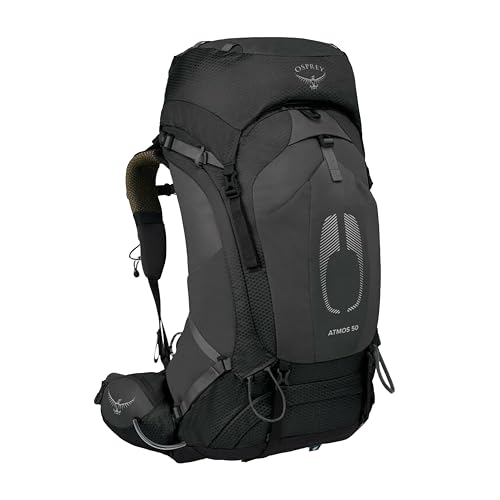
Osprey Atmos AG 50
Features Antigravity suspension that wraps your back in a single mesh layer, providing excellent airflow. The 50-liter capacity is perfect for weekend trips. It has a hydration sleeve and multiple pockets, including a large front pocket.
Pros
- Outstanding breathability
- Lightweight for its size
- Comfortable even with heavy loads
Cons
- Reservoir not included
- No integrated rain cover
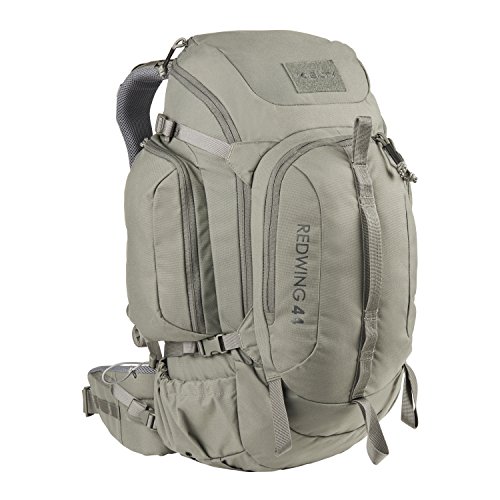
Kelty Redwing 44
A hybrid pack with a U-shaped zipper for easy access, making it ideal for travel. The 44-liter size fits carry-on dimensions for some airlines. It has a padded laptop sleeve and a hydration pocket, offering both urban and trail utility.
Pros
- Easy packing access
- Laptop compartment
- Carry-on friendly
Cons
- Less durable than heavier fabrics
- Hip belt is removable but thin
Compared at a glance
| # | Model | Capacity | Best for | Score | Price |
|---|---|---|---|---|---|
| 1 | Osprey Rook 65 | 65 liters | Multi-day backpacking trips | 9.4 | Check price |
| 2 | CamelBak MULE 12 | 12 liters | Day hikes and bike commutes | 9.1 | Check price |
| 3 | Gregory Baltoro 65 | 65 liters | Heavy loads and extended travel | 9.0 | Check price |
| 4 | Deuter Aircontact Core 50+10 | 50+10 liters | Backpacking with flexible capacity | 8.8 | Check price |
| 5 | TETON Sports Scout 3400 | 3400 cubic inches (55L) | Budget-conscious heavy duty use | 8.5 | Check price |
| 6 | Osprey Atmos AG 50 | 50 liters | Ventilated comfort for hot climates | 8.7 | Check price |
| 7 | Kelty Redwing 44 | 44 liters | Travel and light backpacking | 8.3 | Check price |
Frequently asked questions
What size hydration reservoir should I get?
For day trips, a 2-liter reservoir is usually enough. For longer outings or in hot climates, consider a 3-liter reservoir. Make sure your backpack has a sleeve that fits the reservoir and a port for the drinking tube.
Are hydration backpacks allowed as carry-on luggage?
Most airlines allow empty hydration reservoirs in carry-on bags, but you must empty them before security. The backpack itself is usually fine if it meets size restrictions. Check with your airline for specific dimensions.
How do I clean a hydration reservoir?
Use a cleaning kit with brushes and mild soap. Rinse thoroughly with warm water and let it air dry with the cap open. Avoid putting it in the dishwasher or using harsh chemicals, as they can damage the plastic.
Can I use a hydration pack for everyday commuting?
Yes, many heavy duty hydration packs are versatile enough for commuting. Look for features like a laptop sleeve, organizer pockets, and a low-profile design. Some models have stowable hip belts to make them more urban-friendly.
What is the difference between a hydration pack and a regular backpack?
A hydration pack has a built-in compartment designed to hold a water reservoir and a tube that allows hands-free drinking. Regular backpacks may have a pocket for a reservoir but often lack the tube port or clip. Hydration packs also tend to have a more streamlined shape.
How do I choose the right size backpack for my torso?
Measure your torso length from the base of your neck to your hip bone. Each brand has a sizing chart that maps torso lengths to pack sizes. Many packs have adjustable harnesses to fit a range of sizes, but it is important to get the right fit for comfort.
Is it worth paying more for a heavy duty pack?
Heavy duty packs use higher quality materials and construction, which translates to longer lifespan and better comfort under heavy loads. If you plan to use the pack frequently or for demanding activities, the extra cost is justified. For occasional light use, a budget option may suffice.
Can I put a hydration bladder in any backpack?
Most backpacks can accommodate a hydration bladder if they have a sleeve or pocket, but not all have a port for the tube. You can often route the tube through a zipper opening, but it may not stay in place. A dedicated hydration pack is designed for this purpose.
What does ‘heavy duty’ mean in hydration backpacks?
Heavy duty refers to the use of thicker, more abrasion-resistant fabrics, reinforced stitching, and robust hardware like zippers and buckles. These packs are built to withstand rough handling, heavy loads, and harsh weather conditions.
How do I properly pack a heavy load in a backpack?
Place heavy items close to your back and in the middle of the pack, with lighter gear at the bottom and top. Use compression straps to keep the load stable. This helps maintain balance and reduces strain on your shoulders and back.
Our pick
For most travelers seeking a reliable, heavy duty hydration backpack, the Osprey Rook 65 is the best choice due to its superior load-bearing design and durability. If you need something lighter and more compact, the CamelBak MULE 12 offers excellent value and convenience for day trips. For those on a strict budget, the TETON Sports Scout 3400 won’t disappoint.