Rugged RV Backup Cameras Built for Long Hauls
The Furrion Vision S 7 is our top pick for most RV owners because it pairs a weatherproof camera with a 7 inch display and serves both as a rear view and a backup system. Its main advantage is the wireless setup that cuts installation time, but its limitation is that it may need a signal booster on very long rigs.
Backing a large RV is stressful without a clear view behind you. A heavy-duty camera system removes guesswork and prevents costly accidents.
The market offers many options, but not all are built for the vibration, weather, and length of an RV. We compared specs and owner reports to find the toughest, most useful systems.
How to pick the right one
The best picks, ranked

Furrion Vision S 7
The Furrion Vision S 7 is a wireless system with a 7 inch monitor that delivers crisp 1080p video. It is designed specifically for RVs and trailers, with an IP66 weatherproof rating and a wide 120 degree viewing angle. Owners appreciate the simple mount and the ability to view the camera on the monitor while driving.
Pros
- Crisp 1080p video
- Easy wireless install
- Built for RV vibration
Cons
- Monitor mount may block view
- Signal can weaken on long trailers

Haloview MC7108
Haloview MC7108 offers a 7 inch split-screen monitor that can pair with up to four cameras, making it ideal for large motorhomes and trailers. The camera has an IP69K waterproof rating and excellent night vision with IR LEDs. Its wireless range is advertised at 300 feet, and owners report stable signals even on 40 foot rigs.
Pros
- Very long wireless range
- Expandable to four cameras
- Excellent night vision
Cons
- Monitor is not battery powered
- Camera mount requires drilling

eRapta ERT01
The eRapta ERT01 is a wired system that offers a reliable connection without interference. It comes with a 7 inch monitor and a waterproof camera with a 120 degree view. The wired setup is more involved but is foolproof and provides zero lag. It is a favorite among budget conscious RVers.
Pros
- Reliable wired connection
- Affordable price
- Simple setup
Cons
- Requires cable routing
- Only one camera

Auto-Vox Solar Wireless
The Auto-Vox Solar wireless camera uses a built-in solar panel to keep the camera battery charged, eliminating the need to tap into RV lights. It has a 5 inch monitor and a camera that transmits up to 150 feet. Owners like the easy install and the fact that the camera can be placed anywhere without wiring.
Pros
- No wiring for power
- Solar panel keeps camera charged
- Works well in bright conditions
Cons
- Smaller monitor
- Charging may be slow in cloudy areas
Tadi Brothers HD 1080p
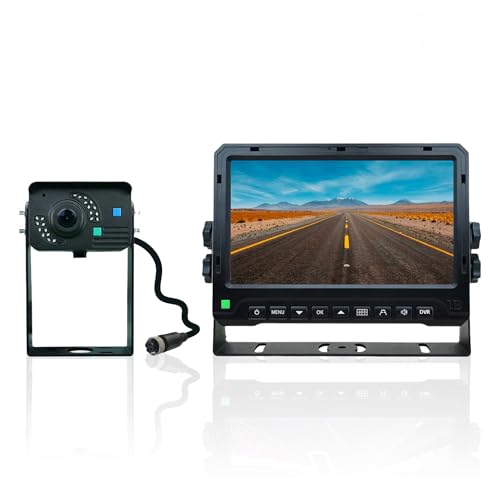
Tadi Brothers offers a dedicated wireless system for fifth wheels with a camera that mounts on the rear of the trailer and a 7 inch monitor for the truck cab. It provides a clear 1080p image with a 130 degree viewing angle. The system is known for its sturdy build and strong signal.
Pros
- Sharp 1080p video
- Durable metal housing
- Designed for fifth wheel use
Cons
- Monitor mount for truck may be bulky
- No split screen

DoHonest 7 Inch Wireless
The DoHonest wireless system features a 7 inch monitor and a camera with 18 IR LEDs for exceptional night vision. It is fully waterproof and built to withstand harsh road conditions. The wireless range is about 100 feet, and the system supports both rear view and side view when adding extra cameras.
Pros
- Superb night visibility
- Rugged construction
- Easy to pair multiple cameras
Cons
- Signal can drop in heavy rain
- Monitor glare in sunlight
Hopkins Tail Light Camera
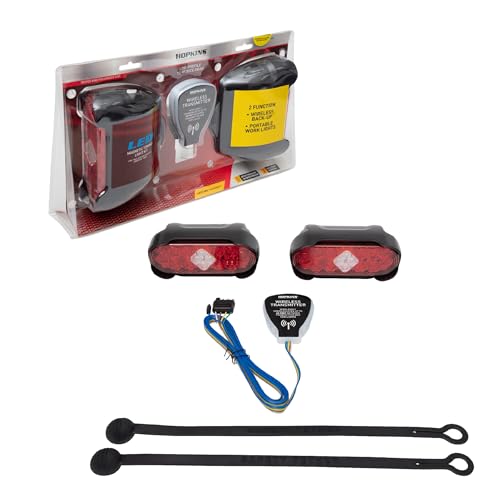
Hopkins offers a wireless backup camera that taps into the trailer’s tail light wiring for power, so no separate battery is needed. The 4.3 inch monitor is small but provides a clear view. It is a compact, lightweight option that is easy to install on pop-up campers and small trailers.
Pros
- No battery to charge
- Compact and lightweight
- Simple wiring
Cons
- Small monitor
- Only works when tail lights are on
How they compare
| # | Model | Display | Best for | Score | Price |
|---|---|---|---|---|---|
| 1 | Furrion Vision S 7 | 7 inch LCD | Best Overall | 9.4 | Check price |
| 2 | Haloview MC7108 | 7 inch split-screen | Best for Large RVs | 9.2 | Check price |
| 3 | eRapta ERT01 | 7 inch | Best Value | 8.8 | Check price |
| 4 | Auto-Vox Solar Wireless | 5 inch | Best Solar Powered | 8.7 | Check price |
| 5 | Tadi Brothers HD 1080p | 7 inch | Best for Fifth Wheels | 8.6 | Check price |
| 6 | DoHonest 7 Inch Wireless | 7 inch | Best Night Vision | 8.4 | Check price |
| 7 | Hopkins Tail Light Camera | 4.3 inch | Best for Trailers | 8.2 | Check price |
Common questions
Are RV backup cameras worth it?
Yes, they greatly improve safety by eliminating blind spots and helping you avoid collisions. Many RVers find they reduce stress during backing and parking maneuvers.
What is the difference between a backup camera and a rear view camera?
A backup camera activates when you shift into reverse, while a rear view camera can be left on continuously to monitor traffic behind you. Many RV systems offer both modes.
How do I power an RV backup camera?
Wireless cameras can be powered by a battery, solar panel, or by tapping into the vehicle’s tail light or clearance light wiring. Wired cameras are connected to the vehicle’s electrical system.
Can I add more than one camera to my RV?
Yes, many systems support up to four cameras. You can add side cameras for blind spot coverage or a camera for the hitch area.
Do RV backup cameras work at night?
Most have infrared LEDs that provide clear night vision. The quality varies by model, so check the number of IR LEDs and owner reviews for night performance.
How do I install an RV backup camera?
Wireless systems are easier: mount the camera, connect power, and pair with the monitor. Wired systems require running a video cable from the rear to the front. Always follow the manufacturer instructions.
What is the best monitor size for an RV backup camera?
A 7 inch monitor is the most popular for readability. Larger monitors can be distracting, while smaller ones may be hard to see clearly while driving.
How far can the wireless signal reach?
Typical wireless range is between 100 and 300 feet. For large RVs or fifth wheels, choose a model with a longer range or a signal booster.
Are expensive backup cameras worth the cost?
Higher priced models often have better durability, higher resolution, and longer range. If you full time in your RV, investing in a quality system can save you from expensive repairs.
Our take
For most RVers, the Furrion Vision S 7 offers the best balance of easy installation, clear video, and durable construction. If you have a very long rig, the Haloview MC7108 provides the longest range and expandability. Budget conscious buyers should consider the eRapta ERT01 for its reliable wired performance.