Camp in Storms: Heavy Duty Weather Resistant Tents
For most campers facing harsh conditions, the top pick is the MSR Access 2, because it balances weight with storm-worthy strength. Its main advantage is a robust pole structure that handles wind and snow loads, while its main limitation is a higher price point and a two-person capacity that might feel snug for some.
Camping in unpredictable weather demands a tent that won’t let you down. Heavy duty weather resistant tents are built with robust materials and engineering to withstand high winds, heavy rain, and even snow. Whether you’re a seasoned backpacker or a family car camper, having a reliable shelter is non-negotiable.
In this roundup, we’ve selected seven of the toughest tents on the market. We’ve analyzed their specifications, owner feedback, and design features to help you choose the right one for your adventures. From ultralight four-season models to spacious family cabins, there’s a weatherproof haven for every camper.
What to look for
What we recommend

MSR Access 2
The MSR Access 2 is a four-season tent that uses a unique Easton Syclone pole architecture to shed wind and snow. It features a breathable canopy and a rugged 20D ripstop nylon fly with a 3000mm waterproof rating. Owners report it stays stable in high winds and handles heavy snow loads without collapsing.
Pros
- Sturdy in high winds
- Lightweight for a four-season tent
- Sets up quickly with color-coded clips
Cons
- Pricey for casual campers
- Tight for two with gear

The North Face Wawona 6
The North Face Wawona 6 is a roomy three-season tent that can handle unexpected storms. It features a dome design with a full-coverage rainfly, a 68D polyester floor, and a 1500mm waterproof coating. The extended vestibule provides extra gear storage. Owner reviews praise its stability in winds and its easy setup.
Pros
- Huge interior with near vertical walls
- Full coverage rainfly with vestibule
- Excellent ventilation with large mesh panels
Cons
- Heavy for backpacking
- Rainfly can flap in strong winds

Big Agnes Copper Spur HV UL4
The Big Agnes Copper Spur HV UL4 is a lightweight tent that still offers decent storm protection. It has a high-volume pole architecture for increased headroom and a DAC featherlite pole system. The fly is made of ripstop nylon with a 1200mm waterproof rating, and the floor is a 1500mm coated material. While not a true four-season tent, it can handle moderate snow and strong winds when guyed out.
Pros
- Very light for the space
- Fast setup with hubbed poles
- Two large vestibules
Cons
- Not for heavy snow loads
- Fabric feels thin

Coleman WeatherMaster 10
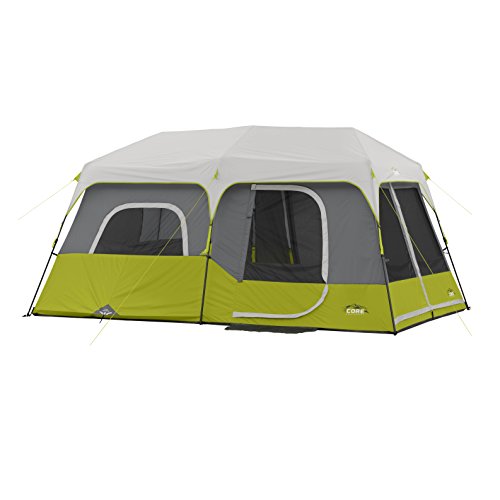
The Coleman WeatherMaster 10 is a huge cabin tent with a hinged door and a full rainfly. It features welded floors and inverted seams to keep water out. The frame is made of strong fiberglass poles, and the tent includes an awning for extra cover. Owners appreciate its quick setup and robust weather resistance for the price.
Pros
- Spacious with room divider
- Hinged door is convenient
- Excellent for the price
Cons
- Fiberglass poles can be weaker than aluminum
- Rainfly may need extra staking in high winds
Hilleberg Anjan 3 GT
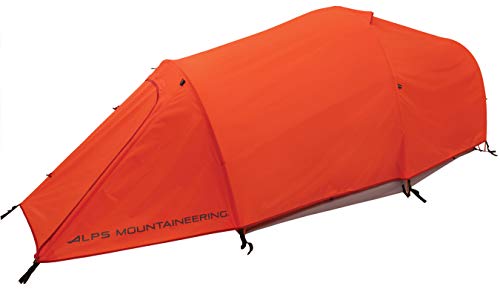
The Hilleberg Anjan 3 GT is a tunnel tent made from Kerlon 1200 fabric with a 4000mm waterproof rating. It uses a single wall design with an integrated vestibule. The Anjan is designed to withstand extreme winds and heavy snow, and its construction is bombproof. This tent is a favorite among polar expeditions and mountaineers.
Pros
- Unmatched wind stability
- Very durable materials
- Lightweight for its strength
Cons
- Very expensive
- Condensation can be an issue in humid conditions

REI Co-op Base Camp 4
The REI Co-op Base Camp 4 is a four-season tent that offers excellent weather protection. It features a robust pole structure with DAC aluminum poles and a 68D taffeta fly with a 1500mm waterproof coating. The tent has two large doors and vestibules, and it can withstand heavy winds and snow loads. It is a popular choice for winter camping and basecamping.
Pros
- Sturdy in snow and wind
- Ample interior space
- Good ventilation
Cons
- Heavy for backpacking
- Rainfly can be tricky to attach alone

Marmot Fortress 3
The Marmot Fortress 3 is a three-season tent with a sturdy frame and a full coverage rainfly. It uses DAC aluminum poles and features a 68D polyester fly with a 1500mm waterproof rating. The tent has a large D-shaped door and a foot print included. Owner reports highlight its ability to stay dry in heavy rain and its comfortable interior.
Pros
- Easy setup with two poles
- Interior pockets and gear loft
- Good headroom
Cons
- Not designed for heavy snow
- Vestibule is small
Compared at a glance
| # | Model | Capacity | Best for | Score | Price |
|---|---|---|---|---|---|
| 1 | MSR Access 2 | 2 person | Backpackers who need a lightweight yet stormproof shelter | 9.4 | Check price |
| 2 | The North Face Wawona 6 | 6 person | Families or groups who want a spacious basecamp with excellent weather protection | 9.2 | Check price |
| 3 | Big Agnes Copper Spur HV UL4 | 4 person | Ultralight backpackers who want a four-season capable tent without the bulk | 9.0 | Check price |
| 4 | Coleman WeatherMaster 10 | 10 person | Car campers who need a massive tent that resists rain and wind | 8.8 | Check price |
| 5 | Hilleberg Anjan 3 GT | 3 person | Serious adventurers who demand the ultimate in durability and all-season performance | 9.6 | Check price |
| 6 | REI Co-op Base Camp 4 | 4 person | Campers who need a reliable four-season tent that can handle harsh conditions at a reasonable price | 9.0 | Check price |
| 7 | Marmot Fortress 3 | 3 person | Three season campers who want a tent that can handle surprise storms and offers great livability | 8.7 | Check price |
Frequently asked questions
What is the difference between a 3-season and a 4-season tent?
A 3-season tent is designed for spring, summer, and fall. It usually has more mesh for ventilation and a lighter build. A 4-season tent is built to withstand winter conditions, including heavy snow and strong winds. It has stronger poles, less mesh, and a sturdier frame.
Can a 3-season tent handle a sudden storm?
Yes, many 3-season tents can handle moderate rain and wind if properly guyed out. However, they may not withstand heavy snow loads or hurricane-force winds. For extreme weather, a 4-season tent is recommended.
How much should I spend on a heavy duty tent?
Heavy duty tents range from budget-friendly options around current price to premium models exceeding current price. Generally, higher prices reflect better materials, stronger poles, and more reliable construction. For occasional camping in mild weather, a mid-range tent may suffice, but for serious expeditions, invest in a top-tier model.
What is the best tent shape for wind resistance?
Geodesic and tunnel tents are known for excellent wind resistance. Geodesic tents have multiple crossing poles that create a stable structure, while tunnel tents are aerodynamic and shed wind well. Dome tents are also good but may require extra guying in high winds.
Do I need a footprint for my tent?
A footprint protects the tent floor from tears and abrasion. It also adds a layer of waterproofing. Many tents come with a footprint or offer one as an accessory. It is a good investment to extend the life of your tent.
How do I keep condensation from forming inside my tent?
Condensation occurs when warm, moist air hits a cold surface. To reduce it, choose a tent with good ventilation, such as mesh panels and vents. Ensure you are not breathing into the tent wall, and consider leaving the door partially open. In extreme cold, use a vapor barrier liner.
Can I use a heavy duty tent in summer?
Yes, but 4-season tents can be hot and stuffy in summer because they have less mesh. If you plan to use a heavy duty tent in warm weather, look for one with good ventilation options or choose a 3-season tent that is still weather resistant.
What is the best way to dry a wet tent?
Set up the tent in a shaded area and let it air dry completely. Wipe down any moisture with a cloth. Never store a wet tent, as it will develop mildew. If you must pack it wet, dry it as soon as possible at home.
How do I repair a tear in my tent?
Use a tent repair kit with adhesive patches. Clean the area, cut a patch larger than the tear, and apply it. For pole damage, you may need to replace the pole section. Many manufacturers offer repair services.
What is the lifespan of a heavy duty tent?
With proper care, a high-quality heavy duty tent can last 10 years or more. Regular maintenance, such as cleaning, seam sealing, and avoiding UV damage, will extend its life.
Our pick
After comparing these tents, the Hilleberg Anjan 3 GT stands out as the ultimate choice for those who face the harshest conditions, but its high cost makes it a specialist tool. For most campers, the MSR Access 2 offers the best balance of weight, strength, and versatility. If you need a family tent that won’t break the bank, the Coleman WeatherMaster 10 is a solid pick. Choose the tent that matches your adventure level.