Hiking Socks That Fight Blisters Mile After Mile
Darn Tough’s Hiker Micro Crew Cushion pairs merino comfort with a true lifetime guarantee. Smartwool’s Hike Classic Full Cushion adds plush padding for long days. Toe blister prone hikers should try Injinji’s Trail Midweight, which wraps each toe separately.
The right hiking sock keeps feet dry, cushioned and free of the friction that raises blisters. Darn Tough’s Hiker Micro Crew Cushion suits most hikers, blending merino wool comfort with a no questions lifetime guarantee. Those wanting plusher padding for long miles should choose the Smartwool Hike Classic Full Cushion. Hikers whose toes rub together are best served by Injinji’s Trail Midweight, which sleeves each toe on its own.
Cotton socks trap sweat and stay wet, which softens skin and turns friction into blisters within a few miles. We compared merino content, cushion placement, sock height and moisture handling, then weighed owner reports on durability, warranty support and how each pair manages odor and heat across long days on the trail.
Our top picks

Darn Tough Hiker Micro Crew Cushion Socks
A merino wool blend wicks sweat and resists odor across multi day trips. Fine gauge knitting resists the thinning and holes that end most socks early. Darn Tough backs every pair with an unconditional lifetime guarantee, replacing them if they ever wear through.
Pros
- Unconditional lifetime replacement
- Merino resists odor over multi day trips
- Fine knit holds up to heavy miles
Cons
- Priced above most hiking socks
- Full cushion runs warm in summer heat
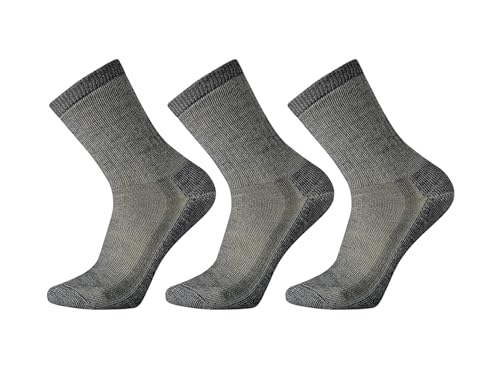
Smartwool Hike Classic Edition Full Cushion Crew
Dense cushioning underfoot and around the heel absorbs impact on long descents. A high merino content regulates temperature and pulls moisture off the skin. The crew height protects the ankle from boot cuffs and trail debris on rough ground.
Pros
- Plush cushioning eases long descents
- High merino content manages temperature
- Crew height guards against boot rub
Cons
- Thick knit is warm for hot climates
- Guarantee is shorter than Darn Tough

Injinji Trail Midweight Mini-Crew Toe Socks
Each toe sits in its own sleeve, stopping the skin on skin rubbing that blisters many hikers. A moisture wicking blend keeps toes dry between the sleeves. The midweight cushion balances comfort and breathability, though the toe design takes a minute to put on.
Pros
- Toe sleeves stop skin on skin rubbing
- Wicking blend keeps toes dry
- Balanced midweight cushion
Cons
- Fiddly to put on each toe
- Synthetic blend holds odor more than merino

Icebreaker Hike+ Medium Cushion Crew Socks
A high percentage of merino wool delivers strong odor control and temperature regulation for multi day hikes. Anatomical left and right shaping improves the fit through the arch. Medium cushioning suits three season trails without the bulk of a heavy winter sock.
Pros
- High merino for odor control
- Anatomical shaping fits the arch
- Medium cushion suits three seasons
Cons
- Merino wears faster than synthetics
- Costs more than blended rivals

Danish Endurance Merino Wool Hiking Socks (3 Pack)
Three pairs of merino blend socks arrive at a price near a single premium pair. Reinforced heel and toe zones extend their life on rocky trails. The value makes them a practical choice for hikers who rotate through several pairs on longer trips.
Pros
- Three merino pairs at a low price
- Reinforced heel and toe zones
- Good rotation for longer trips
Cons
- Lower merino content than premium socks
- No lifetime replacement guarantee
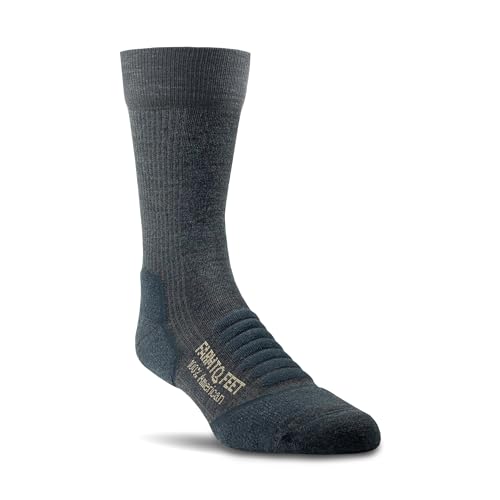
Farm to Feet Damascus Lightweight Crew Socks
A lightweight merino knit breathes well for warm weather hikes and fast paced miles. Targeted cushion at the heel and ball adds protection without overall bulk. The socks are made in the USA from domestically sourced merino, a point owners note approvingly.
Pros
- Lightweight knit breathes in heat
- Targeted cushion without bulk
- Made in the USA merino
Cons
- Light cushion underprotects long descents
- Thin knit shows wear sooner
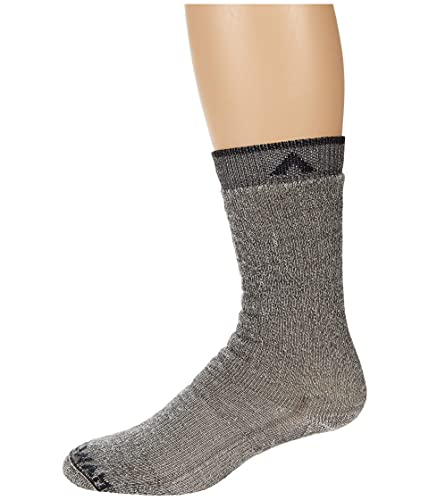
Wigwam Merino Comfort Hiker Crew Socks
Thick underfoot cushioning at a modest price suits day hikers who want padding over frills. A merino blend handles moisture better than the cotton socks it usually replaces. The dense knit runs warm, which favors cooler weather over midsummer heat.
Pros
- Thick cushion at a low price
- Merino blend beats cotton on moisture
- Limited lifetime warranty
Cons
- Runs warm for hot weather
- Lower merino content than premium socks
Compared at a glance
| # | Model | Material | Best for | Score | Price |
|---|---|---|---|---|---|
| 1 | Darn Tough Hiker Micro Crew Cushion Socks | Merino wool, nylon, Lycra blend | Best overall | 9.4 | Check price |
| 2 | Smartwool Hike Classic Edition Full Cushion Crew | Merino wool, nylon, elastane | Best for long days | 9.1 | Check price |
| 3 | Injinji Trail Midweight Mini-Crew Toe Socks | Nylon, CoolMax, Lycra blend | Best for toe blisters | 8.8 | Check price |
| 4 | Icebreaker Hike+ Medium Cushion Crew Socks | Merino wool, nylon, Lycra blend | Best merino | 8.6 | Check price |
| 5 | Danish Endurance Merino Wool Hiking Socks (3 Pack) | Merino wool, acrylic, nylon blend | Best value multipack | 8.3 | Check price |
| 6 | Farm to Feet Damascus Lightweight Crew Socks | Merino wool, nylon, spandex blend | Best lightweight | 8.1 | Check price |
| 7 | Wigwam Merino Comfort Hiker Crew Socks | Merino wool, stretch nylon blend | Best budget cushion | 7.9 | Check price |
How to pick the right one
What to look for in a hiking sock Merino wool is the core of a good hiking sock because it wicks sweat, resists odor and keeps feet warm even when damp. Cushion placement decides comfort, with padding under the heel and ball absorbing impact. Sock height should clear your boot cuff to prevent rubbing at the ankle. Fit matters as much as material, since a sock that bunches or slips is what actually starts a blister.
Why cotton socks cause blisters Cotton absorbs sweat and holds it against the skin, which softens the surface and multiplies friction. Softened skin under repeated rubbing is the recipe for a hot spot that becomes a blister. Merino and synthetic blends move moisture away instead, keeping the foot drier and the skin tougher. Swapping out cotton is the single biggest step most hikers can take to prevent blisters.
Best socks for blister prone feet Some hikers blister between the toes no matter the sock, and that is where toe sock designs earn their place. The Injinji Trail Midweight sleeves each toe separately to end skin on skin rubbing. Others prevent blisters with a snug, wrinkle free fit and a moisture wicking blend, which the Darn Tough and Smartwool models deliver. A well fitted sock plus a properly sized boot solves most friction problems.
Matching cushion to the season and trail Heavy cushion adds comfort on long descents but traps heat, making it a better choice for cold weather or rocky terrain. Lightweight socks like the Farm to Feet Damascus breathe in summer and suit fast, easy trails. Medium cushion covers most three season hiking without running hot. Carry a spare pair on multi day trips, since changing into dry socks midday refreshes the feet and heads off blisters.
Frequently asked questions
What are the best socks for hiking?
Merino wool blend socks lead for hiking because they wick sweat, fight odor and cushion the foot. The Darn Tough Hiker Micro Crew Cushion is the top all around pick, thanks to its comfort and lifetime guarantee.
Are merino wool socks worth it for hiking?
Yes. Merino moves moisture off the skin, resists odor over multiple days and stays warm even when damp, all of which reduce blisters and keep feet comfortable far better than cotton.
Why should I not wear cotton socks hiking?
Cotton soaks up sweat and holds it against the skin, softening it and increasing friction. That combination causes blisters. Merino and synthetic blends wick moisture away and keep feet drier.
Do toe socks actually prevent blisters?
For hikers who rub between the toes, yes. Toe socks like the Injinji Trail Midweight sleeve each toe separately, removing the skin on skin contact that causes those specific blisters.
What thickness of hiking sock should I choose?
Match cushion to conditions. Light socks breathe in summer and on easy trails, medium cushion suits most three season hikes, and heavy cushion adds comfort on rocky terrain or in cold weather but runs warm.
How high should hiking socks be?
Choose a height that clears your boot cuff, usually crew or micro crew. This protects the ankle from rubbing against the boot and keeps out trail debris.
Which hiking socks have the best warranty?
Darn Tough offers an unconditional lifetime guarantee, replacing socks that wear through no matter the reason. Smartwool provides a two year guarantee, and Wigwam offers a limited lifetime warranty.
Should hiking socks be tight or loose?
Snug but not constricting. A sock that fits closely without bunching prevents the wrinkles and slipping that start blisters, while a loose sock shifts underfoot and rubs.
How many pairs of socks should I bring on a multi day hike?
Carry at least two or three pairs so you can change into dry socks midday and rotate them. Fresh, dry socks partway through a long day noticeably reduce blisters and fatigue.
Our pick
The Darn Tough Hiker Micro Crew Cushion is the pick for most hikers, combining merino comfort, durable knitting and an unconditional lifetime guarantee that pays off over years. Those craving extra padding for long descents should choose the Smartwool Hike Classic Full Cushion. Hikers who blister between the toes should skip both and go straight to the Injinji Trail Midweight, whose toe sleeves solve a problem cushion alone cannot.


