Top Home Gym Weight Benches for Serious Lifting
The REP Fitness AB-3100 is the top pick for most home lifters who want a sturdy, adjustable bench without breaking the bank. It offers a 1,000-pound weight capacity and a zero-gap design that many owners report feels solid during heavy presses. Its main limitation is that it does not incline to a full 90 degrees, which might matter for some shoulder work.
A weight bench is the foundation of any home gym. It supports your pressing, rowing, and core work. Choosing the right one affects safety, comfort, and the variety of exercises you can perform.
We looked at specifications and owner reviews to see how each bench performs in real use. Our comparisons cover build quality, adjustability, and value for money, so you can match a bench to your training style.
The top picks, ranked

REP Fitness AB-3100 Adjustable Weight Bench
This bench from REP Fitness is known for its zero-gap design, which eliminates the gap between the seat and back pad. Owners report it feels stable even during heavy pressing. It offers multiple incline positions, declining capabilities, and a high weight capacity.
Pros
- Zero-gap design for comfort
- Very stable with heavy loads
- High weight capacity
Cons
- Heavy and not easily movable
- Seat pad is shorter than some

Bowflex 3.1 Adjustable Bench
The Bowflex 3.1 stands out for its simple pull-pin adjustment system, allowing users to switch positions without getting off the bench. It offers a decline position for more exercise variety. The bench is well-padded and has a sturdy feel.
Pros
- Easy, quick adjustments
- Comfortable padding
- Includes decline position
Cons
- Lower weight capacity than others
- Some wobble at highest incline

Flybird Adjustable Weight Bench
The Flybird bench is a popular budget option with a solid steel frame and multiple back and seat adjustments. It folds for easy storage, making it ideal for small home gyms. Owners often mention it feels sturdy for its price point.
Pros
- Very affordable
- Folds for storage
- Solid construction for the price
Cons
- Padding is firmer than premium benches
- Assembly requires some effort

Ironmaster Super Bench Pro V2
Ironmaster’s Super Bench Pro V2 is a heavy-duty bench that can handle serious weight. Its unique design allows for attachments like a leg hold-down and dip station (sold separately). The bench is extremely stable and built with commercial-grade materials.
Pros
- Outstanding stability
- High weight capacity
- Expandable with attachments
Cons
- Expensive
- Very heavy to move
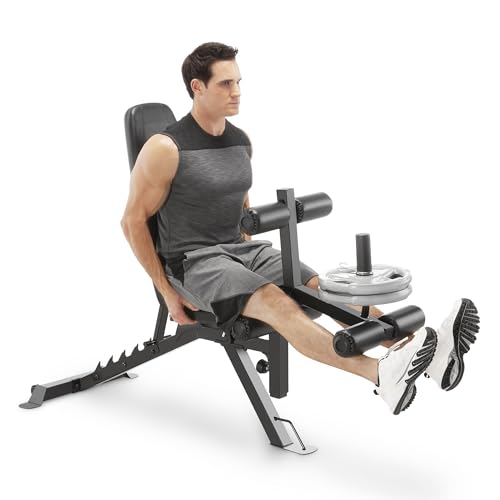
Marcy Adjustable Utility Bench
Marcy offers a no-frills bench that covers the basics. It adjusts to five positions and has a sturdy steel frame. While it lacks extra features, it is reliable and affordable for someone starting a home gym.
Pros
- Low price
- Simple to use
- Compact size
Cons
- No decline option
- Lower weight capacity

Rogue Adjustable Bench 2.0
Rogue is known for high-end equipment, and the Adjustable Bench 2.0 is no exception. It features a heavy-duty steel frame, thick padding, and a wheel system for easy transport. It is designed to withstand intense training.
Pros
- Top-tier build quality
- Smooth adjustments
- Transport wheels
Cons
- Very expensive
- Overkill for casual users

Gymenist Adjustable Weight Bench
This bench is designed for small apartments or home gyms. It folds flat and can be tucked under a bed. Despite its lightweight feel, it supports up to 800 pounds and offers multiple adjustments.
Pros
- Folds very compact
- Lightweight and portable
- Padded seat and back
Cons
- Less stable than heavier benches
- May shake during heavy lifts
How they stack up
| # | Model | Weight Capacity | Best for | Score | Price |
|---|---|---|---|---|---|
| 1 | REP Fitness AB-3100 Adjustable Weight Bench | 1,000 lbs | Most home lifters needing a versatile adjustable bench | 9.4 | Check price |
| 2 | Bowflex 3.1 Adjustable Bench | 600 lbs | Those who want quick, easy adjustments between exercises | 9.0 | Check price |
| 3 | Flybird Adjustable Weight Bench | 800 lbs | Budget-conscious lifters who want a foldable bench | 8.8 | Check price |
| 4 | Ironmaster Super Bench Pro V2 | 1,500 lbs | Heavy lifters who want maximum stability and versatility | 9.2 | Check price |
| 5 | Marcy Adjustable Utility Bench | 600 lbs | Beginners or those needing a simple, low-cost flat and incline bench | 8.5 | Check price |
| 6 | Rogue Adjustable Bench 2.0 | 1,000 lbs | Those who want a commercial-grade bench for heavy lifting | 9.5 | Check price |
| 7 | Gymenist Adjustable Weight Bench | 800 lbs | People with limited space who need a compact, foldable bench | 8.3 | Check price |
How to choose
Questions worth asking
What is the best type of weight bench for a home gym?
The best type depends on your space and goals. A fully adjustable bench that supports flat, incline, and decline positions offers the most versatility. For most home users, a sturdy adjustable bench with a weight capacity of at least 600 pounds is recommended.
How much weight can a home weight bench hold?
Weight capacities vary widely. Budget benches may hold 300 to 500 pounds, while premium models can support over 1,000 pounds. Always check the manufacturer’s rating and factor in your body weight plus the weight of the barbell or dumbbells.
Can I do decline presses on an adjustable bench?
Not all adjustable benches offer a decline position. Decline presses target the lower chest, so if that is important to you, look for a bench that explicitly includes a decline setting. Some benches have a small dip or decline angle, while others go to a full decline.
What is the difference between a flat bench and an adjustable bench?
A flat bench only supports flat presses, limiting exercise variety. An adjustable bench allows you to change the back pad angle to perform incline, decline, and flat exercises. Adjustable benches are more versatile but often cost more and are heavier.
How important is the bench pad thickness?
Pad thickness affects comfort and stability. Thicker pads are more comfortable for heavy pressing but can be too soft, reducing stability. High-density foam is preferred. Most quality benches use between 2 to 3 inches of padding.
Are weight benches with wheels worth it?
Wheels are useful if you need to move the bench frequently. They make it easier to reposition or store. However, wheels can add to the cost and may slightly compromise stability if not designed well. Consider your need for portability.
Can I use a weight bench for exercises other than pressing?
Absolutely. A weight bench supports rows, step-ups, split squats, tricep dips, and core work. The seat and back pad provide support for a wide range of movements. Some benches also offer attachments for leg work.
What safety features should I look for in a weight bench?
Look for a wide, stable base, non-slip feet, and a secure locking mechanism for adjustments. The bench should not wobble under load. Some benches have a safety catch for barbell exercises, but that is more common in squat racks.
Our pick
For most home gym owners, the REP Fitness AB-3100 offers the best combination of stability, adjustability, and value. If you need a space-saving option, the Flybird is a solid budget pick. For serious lifters who want commercial quality, the Rogue Adjustable Bench 2.0 is the ultimate choice.

