Japanese Tea Pots That Brew Better With Every Cup
For most home brewers, the Iwachu Tetsubin cast iron pot wins for heat retention and durability, though it needs careful handling to avoid rust. The Hario Cha Cha Kyusu Maru offers a lighter, pour-over friendly option if you prefer seeing your tea leaves.
A good Japanese teapot changes your daily tea ritual. It holds heat better, pours cleanly, and brings out flavors that bagged tea cannot match. Whether you brew sencha, gyokuro, or genmaicha, the right pot matters.
This guide compares seven top-selling Japanese teapots available on Amazon. We looked at materials, capacity, ease of use, and what owners say after months of use. You will find a clear winner for most people, plus specialized picks for cast iron lovers, solo drinkers, and those who prefer glass.
Our top picks

Iwachu Tetsubin Cast Iron Teapot
A classic Japanese cast iron teapot with a traditional design. It keeps tea hot for a long time and is built to last decades. Owners love the even heat distribution and the satisfying weight. The interior is enameled to prevent rust, but you must dry it thoroughly after each use.
Pros
- Excellent heat retention
- Durable, heirloom quality
- Elegant traditional look
Cons
- Heavy and can be hard to handle
- Requires careful drying to avoid rust

Hario Cha Cha Kyusu Maru Teapot
A modern kyusu with a built-in mesh strainer and a side handle. It is made of heatproof glass, so you can watch the tea leaves as they steep. The wide opening makes cleaning easy. Owners say it pours without drips and is perfect for sencha or other loose leaf teas.
Pros
- Clear glass shows tea strength
- Built-in fine mesh strainer
- Dishwasher safe
Cons
- Glass can break if dropped
- Side handle may feel awkward for some

Kyusus Japanese Cast Iron Teapot with Infuser
This cast iron teapot comes with a stainless steel infuser basket, making it easy to brew loose leaf tea without a separate strainer. The interior is enamel coated for easy cleaning. It retains heat almost as well as the Iwachu but at a lower price point.
Pros
- Includes infuser basket
- Great heat retention
- More affordable than premium brands
Cons
- Lid can get hot
- Heavier than expected

Suzhou Japanese Kyusu Ceramic Teapot
A handcrafted ceramic kyusu with a side handle and a stainless steel mesh strainer. The clay is porous, which some say enhances the flavor of green tea over time. It has a classic rustic look. Owners appreciate the comfortable grip and precise pouring.
Pros
- Porous clay can season over time
- Comfortable side handle
- Fine mesh strainer
Cons
- Smaller capacity
- Fragile, must handle with care

ForLife Tetsubin Cast Iron Teapot
This cast iron pot has a smooth, minimalist design that fits modern kitchens. It has a enamel-lined interior and a removable stainless steel infuser. The handle is ergonomic and stays cool. Owners like that it combines traditional material with contemporary style.
Pros
- Sleek modern appearance
- Cool-touch handle
- Removable infuser
Cons
- Not as rustic as classic tetsubin
- Higher price point
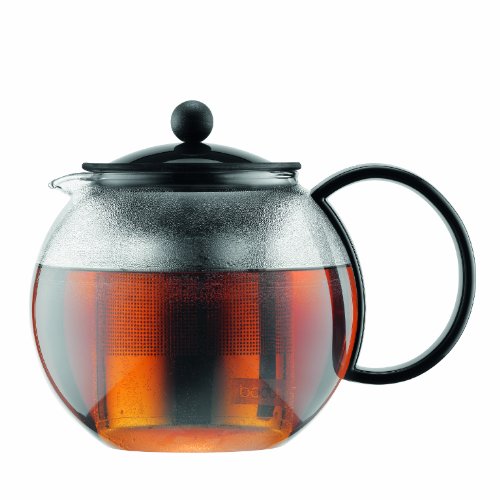
Bodum Assam Teapot with Infuser
A borosilicate glass teapot with a stainless steel infuser that lifts out for easy serving. It is simple and functional. Owners say it is perfect for making several cups of tea at once. The handle stays cool, and the heatproof glass is sturdy.
Pros
- Large capacity
- Budget friendly price
- Easy to clean
Cons
- Not traditional Japanese design
- Glass may stain over time

Hario Olive Wood Teapot with Mesh Strainer
A kyusu teapot with a beautiful olive wood handle that provides a comfortable grip. The body is made of heatproof glass, and it comes with a fine mesh strainer. The wood adds a warm aesthetic. Owners love the balanced feel and the clean pour.
Pros
- Elegant wood handle
- Fine mesh strainer
- Good size for two cups
Cons
- Wood requires maintenance
- Not dishwasher safe
How they compare
| # | Model | Material | Best for | Score | Price |
|---|---|---|---|---|---|
| 1 | Iwachu Tetsubin Cast Iron Teapot | Cast iron with enamel interior | Best overall for durability and heat retention | 9.4 | Check price |
| 2 | Hario Cha Cha Kyusu Maru Teapot | Heatproof glass | Best for everyday green tea brewing | 9.2 | Check price |
| 3 | Kyusus Japanese Cast Iron Teapot with Infuser | Cast iron with enamel coating | Best value cast iron option | 9.0 | Check price |
| 4 | Suzhou Japanese Kyusu Ceramic Teapot | Ceramic clay | Best for traditional clay brewing | 8.8 | Check price |
| 5 | ForLife Tetsubin Cast Iron Teapot | Cast iron with enamel lining | Best for those who want a modern cast iron look | 8.7 | Check price |
| 6 | Bodum Assam Teapot with Infuser | Borosilicate glass | Best budget friendly option | 8.5 | Check price |
| 7 | Hario Olive Wood Teapot with Mesh Strainer | Glass and olive wood | Best for those who want a wooden handle | 8.6 | Check price |
How to choose
Questions worth asking
What is the difference between a tetsubin and a kyusu?
A tetsubin is a cast iron teapot, while a kyusu is typically a ceramic teapot with a side handle. Tetsubin are known for heat retention, while kyusu pots are often used for brewing delicate green teas at lower temperatures.
Can I use a Japanese teapot on the stove?
Most Japanese teapots are not designed for direct stove use. They are meant for brewing tea with hot water. Using them on a stove could damage the enamel or cause cracking. Always check the manufacturer’s instructions.
How do I clean a cast iron teapot?
Rinse with warm water and use a soft sponge. Avoid soap, as it can strip the seasoning. Dry thoroughly immediately after washing. Some models have enamel interiors that can be cleaned with mild soap if needed.
What size teapot should I buy for one person?
For one person, a pot with a capacity of 13 to 18 ounces is ideal. This allows you to brew a cup or two without making too much tea that will go cold.
Are Japanese teapots good for all types of tea?
Cast iron pots are versatile and can be used for black, oolong, and herbal teas. Ceramic kyusu pots are excellent for green and white teas. Glass pots are also versatile, but they do not retain heat as well for longer steeping teas.
Do I need a separate infuser?
Many Japanese teapots have built-in mesh strainers or come with infusers. If you choose a traditional tetsubin without an infuser, you may need a separate strainer or infuser basket.
Can I put a Japanese teapot in the dishwasher?
It depends on the material. Glass pots are often dishwasher safe. Cast iron and ceramic pots should be hand washed to preserve their finish and avoid damage. Always check the product specifics.
Why does my tea taste bitter?
Bitterness can result from water that is too hot or steeping for too long. Japanese green teas should be brewed at 160 to 175 degrees Fahrenheit for 1 to 2 minutes. Adjust your water temperature and steeping time to fix the taste.
What is the best way to pour tea from a kyusu?
Hold the side handle with one hand and support the lid with the other. Pour slowly and steadily. The built-in strainer will catch the leaves, so you can pour directly into your cup.
How do I season a cast iron teapot?
Seasoning is usually not necessary for teapots with enamel interiors. For unlined cast iron, you can rinse with hot water and dry thoroughly. Over time, it will build a natural patina. Avoid soap to prevent rust.
The verdict
For most tea drinkers, the Iwachu Tetsubin is the best choice because it offers superior heat retention and durability, making it a worthwhile investment. If you prefer a lighter, more visual brewing experience for green teas, the Hario Cha Cha Kyusu Maru is the better pick. Budget conscious buyers should consider the Bodum Assam for its large capacity and low price. Choose based on your primary tea style and handling preferences.