How to Match Jewelry Wire to Your Wrapping Technique
Artistic Wire Silver Plated Craft Wire is the best all-round pick for its color range and consistent temper. ParaWire Craft Wire holds color best under heavy handling. Beadalon German Style Wire offers the best value in bulk for practice and everyday wrapping.
Artistic Wire Silver Plated Craft Wire suits most techniques thanks to its wide color range and dependable temper. ParaWire Craft Wire holds its color under heavy handling better than painted alternatives. Beadalon German Style Wire earns the value spot for high volume wrapping and practice.
Wire that looks right on a spool can still disappoint, since it may be too soft to hold a shape, too stiff to wrap, or coated in a finish that flakes with use. We compared gauge options, temper, tarnish resistance and coating durability based on specifications and what makers consistently report.
Our top picks

Artistic Wire Silver Plated Craft Wire
A wide gauge and color range pairs with a consistent, workable temper that suits most wire jewelry techniques. Owners report the tarnish-resistant coating holds up well through repeated wrapping and coiling. That range and reliability make it a dependable default choice.
Pros
- Workable temper stays consistent spool to spool
- Wide color and gauge selection in one line
- Coating resists tarnish through repeated handling
Cons
- Costs more than bare copper wire
- Rough pliers can mar the coating

ParaWire Craft Wire
A thick, enamel-style color coating sits over a copper core and resists chipping during wrapping. Makers reach for it when the finish itself carries the design, since colors stay vivid far longer than thin painted wires. Bulk sizes stay limited compared to plainer wire lines.
Pros
- Rich color resists chipping during wrapping
- Suits statement pieces built around color
- Shapes easily by hand without extra tools
Cons
- Fewer bulk-size spool options available
- Priced above plain coated wire
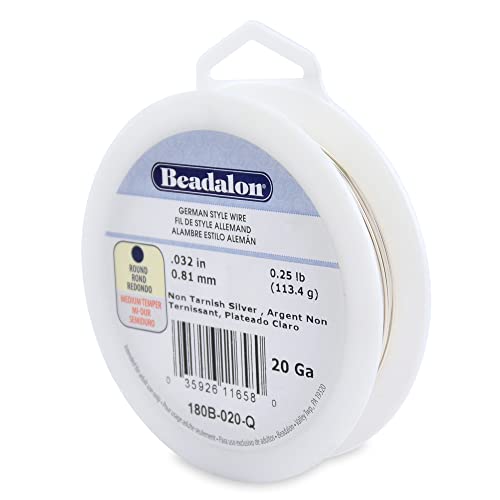
Beadalon German Style Wire
Smooth, consistent copper wire ships in generous spool lengths at a friendly price. Practice projects and high-volume wrapping lean on this wire, where dependable temper and length matter more than a premium finish. Specialty colors stay limited on this line.
Pros
- Strong value across generous spool lengths
- Consistent, smooth temper throughout each spool
- Suits practice and repetitive wrapping work
Cons
- Softer than some prefer for structural pieces
- Limited specialty color selection

The Beadsmith Wire Elements Tarnish Resistant Craft Wire
A coating resists tarnish and holds its finish through repeated bending, suiting pieces meant to keep their shine. Owners note the anti-tarnish layer performs well over years of wear. Nylon-jaw pliers help protect that coating from marks during shaping.
Pros
- Anti-tarnish coating holds up over years
- Color and shine stay consistent with wear
- Wide gauge selection covers most projects
Cons
- Needs gentle pliers to protect the coating
- Sits at mid-range pricing

BENECREAT Aluminum Craft Wire
Very soft, light and inexpensive wire suits practice, sculptural forms and bold decorative pieces. Owners like how easily it bends by hand without tools. Aluminum falls short of copper for fine detailed wraps that need to hold a precise shape.
Pros
- Very affordable across long spools
- Bends easily by hand with no tools
- Suits practice and sculptural projects well
Cons
- Less durable than copper for fine wraps
- Softer temper limits structural use

Mandala Crafts Bare Copper Wire
Long spools of bare copper wire span several gauges, giving beginners an inexpensive way to practice without risking costly coated wire. Owners value the price, and natural copper can be sealed to slow tarnish. The bare finish shows fingerprints quickly during handling.
Pros
- Cheap enough for extended practice sessions
- Multiple gauges available on one line
- Natural copper look suits rustic designs
Cons
- Tarnishes without a protective seal
- Bare finish shows fingerprints easily
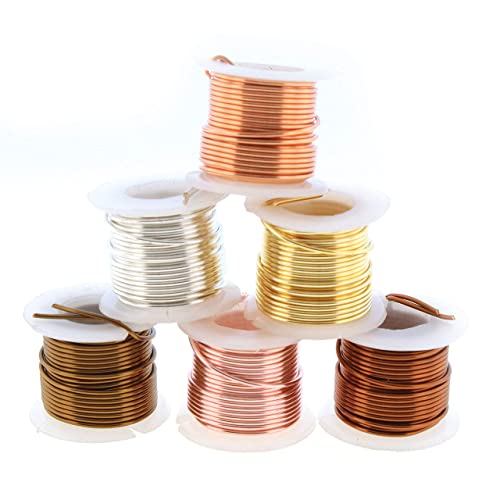
The Beadsmith Craft Wire
Coated copper wire covers routine wrapping, coiling and beading tasks across common gauges. Based on specifications and owner feedback, it delivers dependable everyday performance at a reasonable price. Heavier gauges stay harder to find on this line.
Pros
- Reliable performance for routine wrapping tasks
- Common gauges covered at a fair price
- Coating handles everyday handling well
Cons
- Coating runs thinner than premium wire lines
- Limited heavy-gauge options available
Before you buy
What gauge of jewelry wire should you buy? Gauge sets wire thickness, and lower numbers mean thicker wire. Heavier 18 to 20 gauge holds structure for frames and clasps, while 24 to 28 gauge suits delicate wrapping around beads. Most projects mix a structural gauge with a finer wrapping gauge, so keeping a couple on hand pays off.
How does wire temper affect wrapping? Temper describes hardness. Dead soft wire, like Mandala Crafts copper, bends easily and forgives beginners working through intricate wraps. Half-hard wire holds a shape better for components under stress. Softer wire feels easier on the hands but needs work-hardening to keep its form in a finished piece.
How much tarnish resistance does jewelry wire need? Bare copper costs the least and suits practice, but tarnishes unless sealed afterward. Coated options such as Artistic Wire and Wire Elements resist tarnish and keep their color for finished jewelry that gets worn and handled often. Match the finish to whether a piece is practice or a keepsake.
How do you protect coated wire while shaping it? Colored and plated coatings can mar under toothed pliers, chipping the finish during a wrap. Nylon-jaw pliers protect coated wires like ParaWire and Wire Elements from scratches. Using the right tool preserves the look already paid for and cuts down on wasted wire.
The lineup, side by side
| # | Model | Material | Best for | Score | Price |
|---|---|---|---|---|---|
| 1 | Artistic Wire Silver Plated Craft Wire | Silver plated copper core | Best overall | 9.4 | Check price |
| 2 | ParaWire Craft Wire | Coated copper core | Best for colored designs | 9.1 | Check price |
| 3 | Beadalon German Style Wire | Coated copper | Best value | 8.9 | Check price |
| 4 | The Beadsmith Wire Elements Tarnish Resistant Craft Wire | Coated copper core | Best for tarnish resistance | 8.7 | Check price |
| 5 | BENECREAT Aluminum Craft Wire | Aluminum | Best budget | 8.4 | Check price |
| 6 | Mandala Crafts Bare Copper Wire | Bare copper | Best for beginners | 8.2 | Check price |
| 7 | The Beadsmith Craft Wire | Coated copper | Best for everyday wrapping | 8.0 | Check price |
Common questions
What gauge jewelry wire should a beginner buy?
Start with a mid-range 20 or 22 gauge for general wrapping, plus a finer 26 or 28 gauge for wrapping around beads. Practice on inexpensive bare copper like Mandala Crafts wire before moving to coated or plated spools.
What is the difference between dead soft and half-hard wire?
Dead soft wire bends easily and forgives mistakes during intricate work, while half-hard holds its shape better under stress. Beginners often start with dead soft, then work-harden the finished piece to add rigidity where needed.
Which jewelry wire resists tarnish best?
Coated wires like The Beadsmith Wire Elements and Artistic Wire are built to resist tarnish and hold their color and shine. Bare copper tarnishes over time unless sealed with a protective coating.
Is aluminum or copper wire better for jewelry?
Copper holds up better for fine detailed wraps, while aluminum such as BENECREAT is softer, lighter and cheaper, making it ideal for practice and bold sculptural pieces rather than delicate work.
What wire works best for wrapping stones and beads?
A finer 24 to 28 gauge wraps well around beads and stones, paired with a heavier structural gauge for the frame. Soft coated wires like Artistic Wire wrap smoothly without kinking.
How do you keep coated wire from scratching?
Use nylon-jaw pliers instead of toothed steel pliers when shaping coated or colored wire like ParaWire, and work gently. This protects the finish and prevents the color layer from chipping or marring.
Can jewelry wire be reused after unwrapping?
Wire can be straightened and reused for practice, but repeated bending work-hardens it and can cause snapping. Fresh wire holds shape better and avoids weak spots left by earlier bends for finished pieces.
What is the cheapest wire for practicing wire wrapping?
Bare copper like Mandala Crafts and soft aluminum like BENECREAT rank as the most economical choices for practice, letting a beginner learn wrapping techniques without wasting expensive plated or coated wire.
Beadalon vs Artistic Wire, which one should you buy?
Beadalon German Style Wire wins on value for bulk practice and everyday wrapping. Artistic Wire adds a wider color range and slightly stronger tarnish resistance, which suits finished pieces meant to be worn often.
Our pick
Artistic Wire Silver Plated Craft Wire earns the top spot for dependable temper and lasting color across most techniques. ParaWire Craft Wire suits vivid, chip-resistant colored designs. Beadalon German Style Wire and bare copper spools keep costs low for practice and high-volume wrapping.