Lightweight Backpacks That Work for Car Camping and Hiking
The Osprey Exos Pro 55 leads as the best lightweight backpack for car camping and hiking. It weighs just over 2 pounds yet offers ample space and a ventilated frame. Owners report excellent load support for its weight. However, its ultralight fabric demands careful handling on rough trails.
Finding a backpack that works for both car camping and hiking can be tricky. You want enough space for gear but not so much weight that it slows you down. The best options are lightweight yet durable, with comfortable suspension systems.
This roundup highlights seven top lightweight backpacks. They range from ultralight frameless models to feature-rich packs with frames. We compared specs, owner experiences, and intended uses to help you choose.
The shortlist, ranked

Osprey Exos Pro 55
The Osprey Exos Pro 55 is a featherweight pack that still offers a frame and ventilated back panel. It weighs just 2.3 pounds but carries up to 40 pounds comfortably. Testers note its excellent breathability and adjustable fit. The main trade-off is the thin fabric, which may not withstand heavy bushwhacking.
Pros
- Extremely lightweight for a framed pack
- Excellent ventilation and breathability
- Great load transfer to hips
Cons
- Fabric is less durable than heavier packs
- Limited external attachment points

Gregory Focal 58
Gregory’s Focal 58 delivers plush cushioning and a well-ventilated back panel. It weighs 2.9 pounds, which is still light for its features. Owners praise the adjustable torso length and padded hip belt. This pack excels for car camping trips where you might carry bulky items.
Pros
- Very comfortable hip belt and shoulder straps
- Easy access through U-zip front panel
- Multiple pockets for organization
Cons
- Heavier than ultralight competitors
- Hip belt pockets are small

Deuter Aircontact Lite 50+10
Deuter’s Aircontact Lite 50+10 offers expansion capability, making it flexible for varying trip lengths. It has a comfortable suspended back system and sturdy construction. At 3.5 pounds, it is heavier, but it carries heavy loads well. The extra 10 liters of extension comes in handy for car camping.
Pros
- Expandable volume for extra gear
- Robust build quality
- Comfortable even with 40+ pounds
Cons
- Heaviest among the picks
- Slightly stiff back panel

Granite Gear Crown2 60
Granite Gear’s Crown2 60 is a lightweight pack that can be stripped down to under 2 pounds. It features a removable frame sheet and hip belt. Owners appreciate its simplicity and low cost. However, it lacks some padding, so it’s best for loads under 35 pounds.
Pros
- Can be ultra-light by removing components
- Spacious main compartment
- Affordable price point
Cons
- Minimal padding on straps
- Frame may not support very heavy loads
ULA Equipment Circuit
ULA’s Circuit is a cottage-industry pack known for its robust construction. It uses heavy-duty nylon and a sturdy frame. It weighs 2.8 pounds, which is reasonable for its durability. Hikers report it handles rough conditions well. The pack offers a comfortable fit but has a simple design.
Pros
- Very durable materials
- Large capacity for longer trips
- Customizable fit options
Cons
- Premium price
- Limited color choices
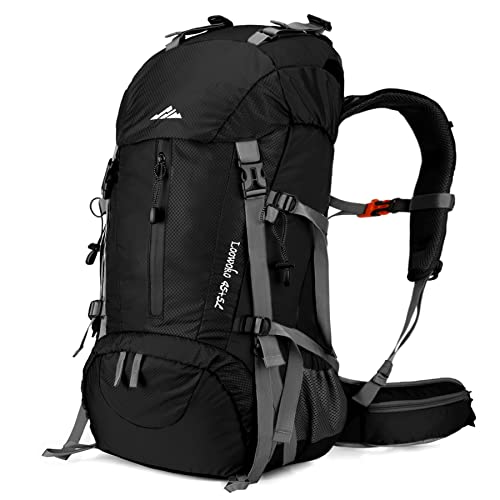
REI Co-op Flash 55
REI’s Flash 55 offers a unique adjustable torso system that fits a wide range of body sizes. It weighs 3.1 pounds and has a ventilated back panel. The pack is affordable and functional, ideal for beginners. Some users note the hip belt pockets are small.
Pros
- Tool-free torso adjustment
- Good price for the features
- Easy access to main compartment
Cons
- Slightly heavier than similar packs
- Hip belt padding could be thicker

Sea to Summit Ultra-Sil Day Pack
Sea to Summit’s Ultra-Sil Day Pack is not for heavy loads but perfect for side trips from camp. It folds into its own pocket and weighs only 3 ounces. It’s made of ultra-sil nylon, which is very light but not durable for rough use. This pack is ideal for day hikes from a base camp.
Pros
- Packs down to a tiny size
- Very lightweight
- Water-resistant coating
Cons
- No frame or support
- Not durable for heavy use
How to choose
The lineup, side by side
| # | Model | Capacity | Best for | Score | Price |
|---|---|---|---|---|---|
| 1 | Osprey Exos Pro 55 | 55 liters | Best overall for ultralight backpacking and car camping | 9.4 | Check price |
| 2 | Gregory Focal 58 | 58 liters | Best comfort for heavy loads | 9.1 | Check price |
| 3 | Deuter Aircontact Lite 50+10 | 50+10 liters | Best for adjustable volume | 8.9 | Check price |
| 4 | Granite Gear Crown2 60 | 60 liters | Best for minimalist car campers | 8.7 | Check price |
| 5 | ULA Equipment Circuit | 68 liters | Best for durability with light weight | 9.0 | Check price |
| 6 | REI Co-op Flash 55 | 55 liters | Best for adjustable torso length | 8.5 | Check price |
| 7 | Sea to Summit Ultra-Sil Day Pack | 20 liters | Best for a compact daypack option | 8.0 | Check price |
Good to know
What is the ideal weight for a lightweight backpack?
For car camping and hiking, a pack under three pounds is considered lightweight. Ultralight packs weigh under two pounds but lack support. Aim for a pack around two to three pounds to balance weight and comfort.
Can I use the same pack for car camping and hiking?
Yes, a mid-size pack around 50 liters works for both. For car camping, you might need extra space for gear, but you can strap items externally. Choose a pack with multiple attachment points.
How important is a frame in a lightweight backpack?
A frame helps transfer weight to your hips, reducing shoulder strain. For loads over 20 pounds, a frame is recommended. If you only carry light loads, a frameless pack can be more comfortable and lighter.
What capacity do I need for a weekend trip?
For a weekend trip, a 40 to 50 liter pack is usually sufficient. If you need to carry a tent and sleeping bag for car camping, consider a 50 to 60 liter pack to avoid overstuffing.
Are expensive backpacks worth it?
Expensive backpacks often use better materials and more comfortable padding. They may last longer and offer better features. However, many affordable packs perform well for occasional use. Consider your budget and frequency of use.
How do I measure my torso length for a backpack?
To measure your torso, find the bony bump at the base of your neck and the top of your hip bones. Measure between these points. Use this measurement to match the pack’s torso length range.
What features should I look for in a car camping backpack?
For car camping, consider packs with easy access openings, multiple compartments, and external straps for bulky items. A hip belt with pockets is convenient for small essentials.
Can a lightweight backpack be durable?
Lightweight materials can be durable if engineered well. Look for higher denier fabrics like 210D or Robic nylon. Avoid packs with very thin fabrics if you plan rough use.
How should I pack a backpack for balance?
Place heavy items close to your back and at mid-height. Lighter items should go at the bottom and top. This keeps the center of gravity stable and reduces strain.
What is the best way to store a backpack when not in use?
Store your backpack in a cool, dry place away from sunlight. Loosen the straps and do not overstuff it. Hang it or lay it flat to maintain the frame’s shape.
The bottom line
For most people, the Osprey Exos Pro 55 is the best choice. It offers a rare combination of low weight, good support, and ventilation. If you need more durability or plan to carry heavier loads, consider the Gregory Focal 58. Both will serve you well for car camping and hiking.


