Lightweight Insulated Tents for Year-Round Camping
The Big Agnes Copper Spur HV UL2 is the top pick for most backpackers because it balances low weight with excellent insulation and all-season capability. Its main advantage is the high-volume pole architecture that creates more interior space and headroom without adding bulk. The main limitation is its higher price point compared to simpler tents.
Camping in colder weather demands a tent that keeps warmth in without weighing you down. Lightweight insulated tents make this possible by combining advanced materials with smart design.
We looked at the most popular models on the market, analyzing their specs and owner feedback. Our goal is to help you find a tent that matches your adventure style, whether you are summit-bound or forest camping.
What matters most
What we recommend
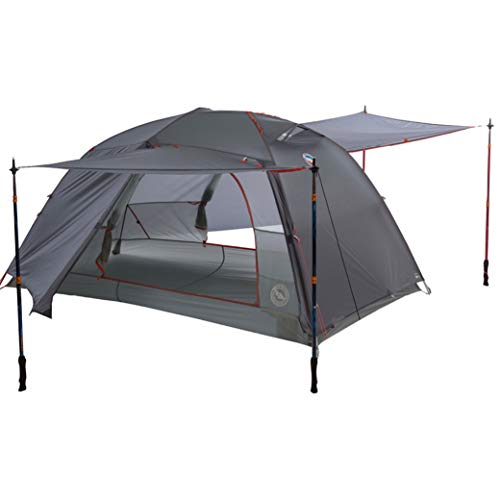
Big Agnes Copper Spur HV UL2
The Copper Spur HV UL2 is a freestanding, double-wall tent that uses high-volume pole architecture to create steep walls and more usable space. It features a lightweight yet durable fabric with taped seams and a full coverage rainfly. Owners report it handles wind and light snow well, making it a reliable three-season shelter that can handle shoulder seasons.
Pros
- Very light for the space offered
- Easy to set up with color-coded clips
- Two doors and two vestibules for gear storage
Cons
- Price is higher than many competitors
- Floor fabric feels thin without a footprint

MSR Hubba Hubba NX 2
MSR’s Hubba Hubba NX 2 has been a favorite among backpackers for years. It uses a lightweight aluminum pole system and ripstop nylon with a durable water repellent finish. The tent offers good ventilation and a fast setup. Insulation is provided by the full rainfly and bathtub floor, and it performs well in cold, damp conditions.
Pros
- Time-tested design with reliable performance
- Excellent ventilation reduces condensation
- Compact packed size
Cons
- Not as spacious as some rivals
- Stakes could be more robust

Nemo Hornet Elite 2
The Nemo Hornet Elite 2 is a semi-freestanding tent that weighs just under 2 pounds. It uses a unique pole structure that maximizes headroom and minimizes weight. The fabric is 10D nylon with a waterproof coating, and the fly extends close to the ground to keep warmth in. It is ideal for fast and light trips where weight is critical.
Pros
- Incredibly light for a two-person tent
- Very compact when packed
- Unique geometry offers good interior space
Cons
- Requires guy lines for full stability
- Fabric feels delicate and needs careful handling

REI Co-op Half Dome SL 2+
The Half Dome SL 2+ from REI is a roomy tent that fits two adults plus gear comfortably. It has a slightly larger footprint than typical 2-person tents and features a high ceiling. The tent uses a durable polyester fabric and a full rainfly with vestibules on both sides. It is heavier, but for those who prioritize space, it is a solid choice.
Pros
- Generous interior space and headroom
- Two large vestibules for storage
- Color-coded poles for easy setup
Cons
- Heavier than most backpacking tents
- Packed size is larger

Marmot Tungsten UL 2
Marmot’s Tungsten UL 2 is a lightweight version of their popular Tungsten tent. It features a DAC Featherlite pole system and ripstop nylon with a waterproof coating. The tent has a full coverage rainfly and a bathtub floor, providing solid protection from the elements. It offers good living space and is known for its durability.
Pros
- Sturdy construction at a reasonable weight
- Excellent rain protection
- Interior pockets and gear loops
Cons
- Setup is a bit more complex than others
- Ventilation could be better
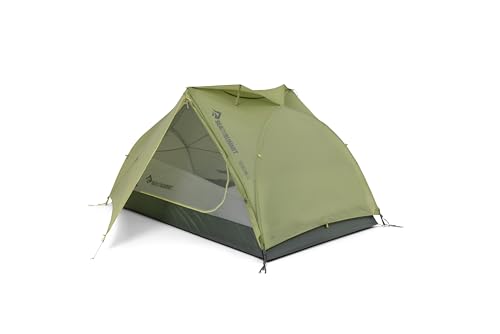
Sea to Summit Telos TR2
The Telos TR2 is a premium tent from Sea to Summit that boasts a unique Tension Ridge architecture, which increases headroom and allows for awnings on both sides. It uses high-quality materials and has excellent ventilation. The tent is freestanding and sets up easily. It is slightly heavier than some ultralight options but offers superior livability and insulation.
Pros
- Outstanding headroom and comfort
- Innovative awning feature for extra coverage
- High-quality construction with premium fabrics
Cons
- Pricey
- Heavier than ultralight alternatives

ALPS Mountaineering Lynx 2
The ALPS Mountaineering Lynx 2 is an affordable tent that still offers good insulation and protection. It features a fiberglass pole system and polyester fabric with a polyurethane coating. The tent is freestanding and includes a full rainfly with a vestibule. While it is heavier than premium tents, it is a reliable option for those on a budget.
Pros
- Very affordable
- Roomier than expected for the price
- Easy setup
Cons
- Heavy and bulky
- Fiberglass poles are less durable than aluminum
How they compare
| # | Model | Weight | Best for | Score | Price |
|---|---|---|---|---|---|
| 1 | Big Agnes Copper Spur HV UL2 | 3 lbs 2 oz (trail weight) | Best overall for backpackers seeking a balance of weight and space | 9.4 | Check price |
| 2 | MSR Hubba Hubba NX 2 | 3 lbs 8 oz | Best for minimalist backpackers who want a proven performer | 9.1 | Check price |
| 3 | Nemo Hornet Elite 2 | 2 lbs 1 oz | Best for ultralight enthusiasts who count every ounce | 9.0 | Check price |
| 4 | REI Co-op Half Dome SL 2+ | 4 lbs 4 oz | Best for car campers who want extra room and comfort | 8.8 | Check price |
| 5 | Marmot Tungsten UL 2 | 3 lbs 12 oz | Best for campers who want a durable tent with good weather protection | 8.7 | Check price |
| 6 | Sea to Summit Telos TR2 | 3 lbs 15 oz | Best for couples who want premium comfort and features | 9.2 | Check price |
| 7 | ALPS Mountaineering Lynx 2 | 5 lbs 12 oz | Best budget choice for occasional campers | 8.1 | Check price |
Frequently asked questions
What makes a tent insulated?
Insulation in tents comes from the use of double walls, rainflies that reach near the ground, and fabrics with coatings that reflect heat. Some tents also have additional features like insulated vestibules or thermal liners. The primary purpose is to trap warm air inside and block cold winds.
Can I use a 3-season tent in winter?
You can use a 3-season tent in mild winter conditions if you have a good sleeping bag and pad, but they are not designed for heavy snow or extreme cold. Four-season tents have stronger poles and more robust fabrics to handle snow loads and wind.
How much weight is considered lightweight for a tent?
For two-person backpacking tents, lightweight is generally under 4 pounds. Ultralight tents are under 3 pounds. However, the acceptable weight depends on your personal strength and how you split the weight with a partner.
What is the difference between trail weight and packed weight?
Trail weight includes the tent body, fly, and poles, but excludes stakes and stuff sacks. Packed weight includes everything that comes in the bag, such as stakes, repair kits, and sometimes footprints. Trail weight is more accurate for what you carry on your back.
Are freestanding tents better than non-freestanding?
Freestanding tents can stand on their own, making them easier to pitch on any terrain and allowing you to move them after setup. Non-freestanding tents are often lighter but require stakes and guy lines for stability. For ease of use, freestanding is preferred.
How do I prevent condensation inside my tent?
To reduce condensation, choose a campsite away from water, ensure good ventilation, and avoid breathing inside your sleeping bag. Many tents have vents at the top or sides that you can open. Wiping down the walls in the morning helps as well.
Should I buy a footprint for my tent?
A footprint protects the tent floor from abrasion and moisture, extending its life. Many tents have a footprint made specifically for them. You can also use a ground cloth that is slightly smaller than the tent footprint to avoid pooling water.
What is the best way to store a tent?
Always store your tent dry and loose, not compressed in its stuff sack. Prolonged compression can damage the fabric and coatings. Hang it in a cool, dry place or store it in a large cotton sack.
Our take
For most backpackers, the Big Agnes Copper Spur HV UL2 offers the best combination of low weight, comfort, and insulation. If you are on a tight budget, the ALPS Mountaineering Lynx 2 is a solid choice, but you will carry extra weight. Ultralight enthusiasts should consider the Nemo Hornet Elite 2, while those who prioritize space might prefer the REI Half Dome SL 2+.


