Lightweight Winter Gear That Doesn’t Sacrifice Warmth
Buff’s Original Neck Gaiter offers the most versatile lightweight layering for skiing, running or hiking. Smartwool’s Merino 250 Base Layer delivers warmth without bulk under a shell. OutdoorMaster’s ski goggles give skiers clear, anti-fog vision from a frame light enough for all-day helmet wear.
Buff’s Original Neck Gaiter earns the top spot for versatility: one seamless tube converts into a hat, mask or scarf without adding bulk under a helmet. Smartwool’s Merino 250 Base Layer traps warmth in a knit thin enough to disappear under any shell, though it costs more than synthetic options. OutdoorMaster’s ski goggles keep vision clear through temperature swings, and their lightweight frame won’t dig into a helmet’s brim.
Winter gear often adds warmth by adding bulk, which restricts movement during actual activity rather than standing still. We compared fabric weight, breathability and owner reports on performance during real skiing, snowboarding and winter running sessions.
The shortlist, ranked
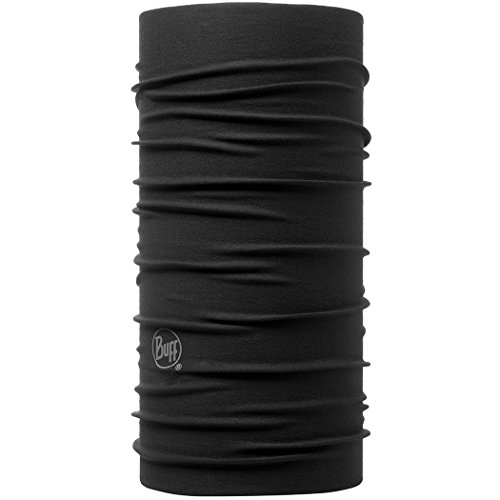
Buff Original Multifunctional Neck Gaiter
One seamless tube of microfiber fabric folds into a neck gaiter, headband, balaclava or beanie. Moisture-wicking fabric resists that damp feeling during aerobic winter activity. Skiers and runners alike carry one as a lightweight backup for changing conditions.
Pros
- Converts into multiple styles from one piece
- Extremely lightweight and packable
- Wicks moisture during aerobic activity
Cons
- Less warmth alone than a dedicated insulated piece
- Thin fabric blocks little wind on its own

Smartwool Merino 250 Base Layer Top
Merino wool traps body heat in a knit thin enough to layer under a shell without bunching. Natural fibers resist odor buildup across multiple days between washes. Backcountry skiers and cold-weather runners pick it specifically to avoid the bulk of synthetic fleece base layers.
Pros
- High warmth relative to how thin the fabric feels
- Merino resists odor across multiple wears
- Slim fit layers cleanly under a shell
Cons
- Costs more than synthetic base layers
- Requires gentler washing care than synthetics

OutdoorMaster Ski Goggles
An anti-fog coated lens stays clear through temperature swings between lift lines and downhill runs. Interchangeable lenses swap tint for overcast or bright bluebird days. Snowboarders and skiers rely on the lightweight frame to avoid pressure points under a helmet.
Pros
- Interchangeable lenses cover varied light conditions
- Lightweight frame reduces helmet pressure points
- Anti-fog coating holds up through temperature swings
Cons
- Lens swaps take a bit of practice
- Strap fits tight over thicker beanies
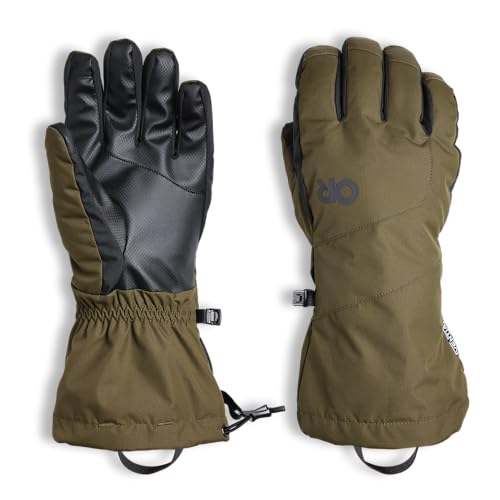
Outdoor Research Adrenaline Gloves
Thin insulation preserves enough dexterity to buckle boots or adjust bindings without removing the gloves. Touchscreen-compatible fingertips work with phones for trail photos or navigation apps. Owners doing technical winter activities favor the fit over bulkier mittens that block fine motor control.
Pros
- Retains dexterity for buckles and zippers
- Touchscreen fingertips skip the glove-off step for a phone
- Water-resistant shell sheds light snow
Cons
- Less warm than heavily insulated mittens
- Not built for extended sub-zero exposure

Turtle Fur Solid Fleece Neck Warmer
A stretchy fleece tube slips over the head in seconds, no buckles or zippers to fumble with cold hands. It blocks wind at the neck and chin better than a thin buff alone. Owners keep one in a jacket pocket as a simple backup layer.
Pros
- Affordable, simple design
- Fleece blocks wind better than thin buffs
- Stretch fit works for most head and neck sizes
Cons
- Bulkier under a helmet than a thin buff
- Less versatile than multi-style neck gaiters
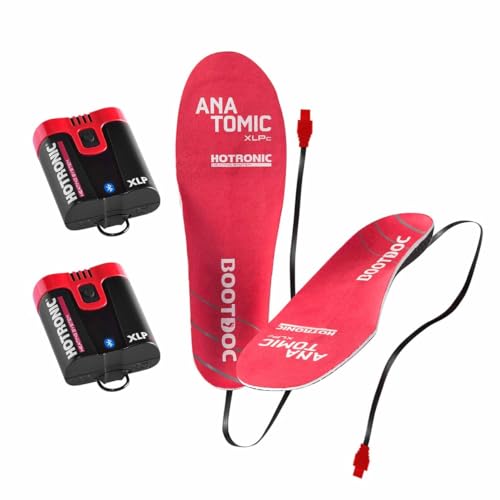
Hotronic Heat Insoles Foot Warmer
A rechargeable battery pack heats the insole through several hours of lift-served skiing, no bulky chemical warmers needed. Adjustable heat settings let owners dial back once feet warm up. Cold-footed skiers who fight numbness on chairlifts rely on these instead of disposable toe warmers.
Pros
- Rechargeable, so no disposable warmers needed
- Adjustable heat prevents overheating feet
- Fits under most existing boot liners
Cons
- Requires charging the battery packs before each trip
- Added bulk may tighten a snug boot fit

Icebreaker Merino Pocket Hat Beanie
A thin merino knit compresses small enough to stash in a jacket pocket between chairlift rides. It still holds warmth close to the scalp without the bulk of a thick acrylic beanie. Owners layering under a helmet choose it specifically for that low profile.
Pros
- Packs small enough for a jacket pocket
- Low profile fits comfortably under a helmet
- Merino wool regulates temperature well
Cons
- Less ear coverage than a thicker beanie
- Costs more than synthetic alternatives
What to look for
What to look for in lightweight winter gear Warmth-to-weight ratio matters more than raw insulation thickness, since bulky layers restrict movement during active sports. Breathability keeps sweat from soaking a layer and freezing during rest stops. Packability decides whether an accessory travels well in a pocket between uses. Helmet and gear compatibility avoids pressure points that ruin a day on the slope.
Best accessories for skiing and snowboarding Helmet compatibility becomes the deciding factor for hats, buffs and goggles alike. A bulky beanie or thick strap creates pressure points under a helmet, which is why the OutdoorMaster Ski Goggles and Icebreaker Merino beanie both prioritize a low profile. Gloves need enough dexterity to handle boot buckles and binding adjustments without full removal.
Best accessories for winter running and aerobic activity High-output activities generate more body heat, so breathable, moisture-wicking layers like the Buff Original and Smartwool Merino 250 outperform heavier insulated pieces that trap sweat. Runners typically want gear that layers on and off quickly as effort level changes through a route, rather than one fixed-warmth piece.
Best accessories for standing around in the cold Chairlift lines and spectating at outdoor events involve far less body heat generation than active movement. That shifts priority toward warmth over breathability. Heated insoles like the Hotronic and a thicker fleece neck warmer like the Turtle Fur suit this lower-activity cold exposure better than thin, breathable layers built for aerobic output.
Side by side
| # | Model | Material | Best for | Score | Price |
|---|---|---|---|---|---|
| 1 | Buff Original Multifunctional Neck Gaiter | Microfiber polyester | Best overall | 9.2 | Check price |
| 2 | Smartwool Merino 250 Base Layer Top | 250 gsm merino wool | Best for warmth-to-weight | 9.0 | Check price |
| 3 | OutdoorMaster Ski Goggles | Anti-fog coated, interchangeable | Best for clear vision | 8.7 | Check price |
| 4 | Outdoor Research Adrenaline Gloves | Lightweight synthetic fill | Best for dexterity | 8.5 | Check price |
| 5 | Turtle Fur Solid Fleece Neck Warmer | Polyester fleece | Best budget | 8.2 | Check price |
| 6 | Hotronic Heat Insoles Foot Warmer | Rechargeable battery pack | Best for cold feet | 8.0 | Check price |
| 7 | Icebreaker Merino Pocket Hat Beanie | 100 percent merino wool | Best for packability | 8.0 | Check price |
Common questions
What makes a winter accessory lightweight instead of bulky?
Fabric weight and insulation type drive the difference. Merino wool and thin synthetic knits trap warmth efficiently without the loft of thick fleece or down, so they weigh and pack down less for similar warmth.
Is merino wool better than fleece for winter sports?
Merino wool offers a better warmth-to-weight ratio and resists odor across multiple wears. Fleece is generally cheaper and dries faster after getting wet, so many winter athletes use merino as a base layer and fleece as a mid layer.
Can you wear a neck gaiter under a ski helmet?
Yes. Thin multi-use gaiters like the Buff Original are built to layer under helmets without adding the bulk that thicker neck warmers introduce.
Do heated insoles actually work for skiing?
Rechargeable heated insoles like the Hotronic system provide consistent warmth through a full day of skiing. That’s particularly useful for people prone to cold feet or poor circulation on chairlifts.
Are touchscreen gloves warm enough for skiing?
Lightweight touchscreen gloves like the Outdoor Research Adrenaline prioritize dexterity over maximum warmth. They suit moderate cold and active movement better than extended stationary exposure in extreme temperatures.
How do you stop ski goggles from fogging up?
Choose goggles with an anti-fog coated lens, like the OutdoorMaster, and avoid tucking a warm buff or balaclava over the goggle vents, which traps warm breath against the lens.
What is the best base layer weight for winter sports?
Base layer weight is measured in grams per square meter. A 250 gsm layer, like the Smartwool Merino 250, suits moderate cold and active sports, while lighter weights fit milder conditions and heavier weights suit extreme cold or low activity.
Can lightweight winter gear still keep you warm enough?
Yes, when the fabric and design match the activity level. Lightweight gear relies on efficient materials like merino wool rather than sheer bulk, which works well for active sports but less well for prolonged stationary cold.
What winter accessories work best for both skiing and running?
Versatile pieces like the Buff Original Neck Gaiter and Icebreaker Merino beanie suit both activities, since their low bulk and breathability don’t restrict aerobic movement or clash with a helmet.
The verdict
Anyone building a versatile lightweight winter kit should start with the Buff Original Neck Gaiter for its multi-use flexibility. Skiers and snowboarders who want warmth without bulk under layers should add the Smartwool Merino 250 Base Layer. Runners who overheat easily should lean on breathable pieces over insulated ones, while anyone who consistently gets cold feet on the chairlift is better served by the Hotronic heated insoles than by another layer alone.