Which Microphone Preamp Fixes a Noisy Recording Chain
The dbx 286s handles gain and noise cleanly for most home studios. Podcasters running a dynamic mic like the SM7B get the biggest jump from a Cloud Lifter CL-1. Anyone chasing vintage warmth should look at the Golden Age Project PRE-73 MKIII.
The dbx 286s is the top pick for most home studios, pairing clean gain with built in compression, a de esser and a gate. Its main limitation is a lack of any digital output for direct USB recording. Podcasters using a Shure SM7B do better with a Cloud Lifter CL-1 ahead of their interface, and anyone chasing a rounder vintage tone should look at the Golden Age Project PRE-73 MKIII instead.
Preamp quality matters most with low output dynamic and ribbon mics, where a weak gain stage adds audible hiss at usable levels. We compared published gain figures, noise specs, connector types and owner reports on hiss and coloration across seven units to rank them here.
Our top picks

dbx 286s Microphone Preamp Processor
dbx pairs a clean solid state preamp with a compressor, de esser and gate in one rack unit. Voice announcers use the built in processing to skip a separate compressor entirely. Owners report low noise even at high gain settings on dynamic mics.
Pros
- Enough clean gain for low output dynamic mics
- Built in compressor removes a separate step
- Low noise floor at high gain
Cons
- No digital output for direct USB recording
- Processing controls take time to learn
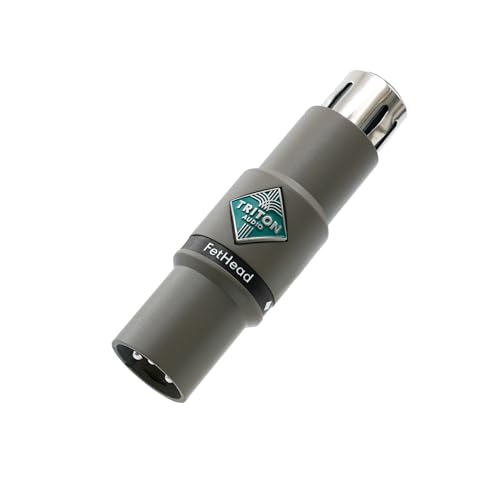
Triton Audio FetHead
This inline booster plugs between a dynamic mic and any interface, adding roughly 27 dB of clean gain. Phantom power runs it directly, so no separate power supply is needed. Podcasters with an SM7B use it to quiet interface hiss at high gain.
Pros
- Very affordable fix for low output dynamic mics
- Small enough to leave permanently inline
- Runs directly off phantom power
Cons
- Needs a phantom power source to work
- No gain control, it is a fixed boost

Cloud Lifter CL-1
Cloud built this booster for the SM7B and similar low sensitivity dynamic mics, adding clean gain ahead of an interface preamp. A transformer isolated design keeps it safe with ribbon mics too. Owners describe interface hiss disappearing once this sits in the chain.
Pros
- Purpose built for SM7B style dynamic mics
- Ribbon safe transformer design
- No batteries or external power needed
Cons
- Only helps mics that already need more gain
- Costs more than the similarly specced FetHead

Golden Age Project PRE-73 MKIII
This preamp follows the classic Neve 1073 circuit, adding a rounder low end and gentle saturation at higher gain. Vocalists and bass players often reach for it over a clinical solid state unit. Owners note the transformer coloration stays subtle rather than heavy handed.
Pros
- Warm transformer coloration on vocals and bass
- Built in DI input for instruments
- High headroom before harsh clipping
Cons
- Single channel only
- Coloration is not desirable on already bright sources
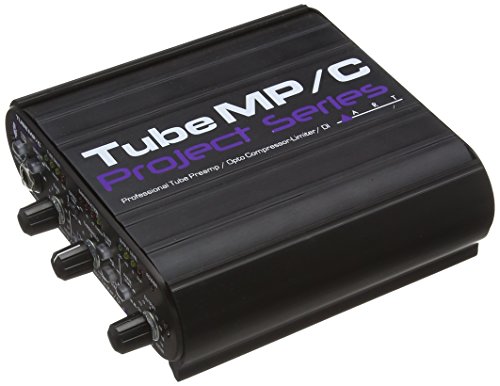
ART Tube MP/C Project Series
A 12AX7 tube stage adds mild harmonic warmth ahead of a built in compressor, useful for taming an inconsistent vocal take. Home studios get tube character here without a high end price. Owners run it mainly on vocals and acoustic guitar.
Pros
- Noticeable tube warmth at an accessible cost
- Compressor smooths inconsistent vocal levels
- DI input handles bass and guitar direct
Cons
- Noisier than solid state options at max gain
- Tube eventually needs replacement

Behringer Ultragain MIC200
Behringer runs a single 12AX7 tube to color the signal lightly while keeping the price low, a common first upgrade from an interface preamp. It handles both mic and instrument level input. Owners treat it as an entry point into outboard preamps rather than a studio centerpiece.
Pros
- Lowest cost tube preamp in this group
- Accepts mic, line and instrument input
- Compact single rack space footprint
Cons
- Build quality trails pricier competitors
- Noise increases noticeably near max gain

Focusrite Scarlett Solo 4th Gen
Rather than a standalone preamp, this compact interface pairs a Focusrite preamp with USB audio output for direct computer recording. Auto gain sets input level automatically from a few seconds of speech. Owners use it as their entire signal chain for podcasting and home recording.
Pros
- Records straight to a computer without extra gear
- Auto gain speeds up setup for beginners
- Air mode adds presence for vocals
Cons
- Single input limits it to one mic at a time
- Less raw gain than a dedicated booster for very quiet mics
Compared at a glance
| # | Model | Type | Best for | Score | Price |
|---|---|---|---|---|---|
| 1 | dbx 286s Microphone Preamp Processor | Solid state preamp with processing | Best overall | 9.4 | Check price |
| 2 | Triton Audio FetHead | Inline gain booster | Best budget | 9.1 | Check price |
| 3 | Cloud Lifter CL-1 | Inline gain booster | Best for dynamic mics | 9.0 | Check price |
| 4 | Golden Age Project PRE-73 MKIII | Transformer coupled preamp | Best vintage tone | 8.8 | Check price |
| 5 | ART Tube MP/C Project Series | Tube preamp with compressor | Best tube warmth on a budget | 8.6 | Check price |
| 6 | Behringer Ultragain MIC200 | Tube preamp | Best value | 8.4 | Check price |
| 7 | Focusrite Scarlett Solo 4th Gen | USB audio interface | Best all in one interface | 8.0 | Check price |
How to pick the right one
What a preamp actually does A microphone outputs a tiny signal, often just millivolts, that needs amplifying before an interface or mixer can use it. The preamp boosts that signal cleanly, ideally without adding hiss or coloration. A weak or noisy stage limits every mic connected to it, no matter how good the mic itself is.
Matching a preamp to your mic type Condenser mics output more signal and need less gain, so most built in interface preamps handle them fine. Dynamic mics like the SM7B and ribbon mics output far less and often need 60 dB or more of clean gain. Check your mic’s sensitivity spec before assuming any preamp will work with it.
Solid state versus tube preamps Solid state preamps like the dbx 286s aim for a clean, accurate signal with minimal added character. Tube preamps such as the ART Tube MP or Golden Age PRE-73 add harmonic saturation that can flatter thin vocals or bass. Choose tube for warmth, solid state when accuracy matters more.
When an inline booster beats a full preamp If your interface already has a decent preamp but lacks gain for a low output mic, an inline booster like the Cloud Lifter or FetHead is the cheaper fix. These add fixed gain without replacing your existing signal chain. A full outboard preamp makes more sense when tonal shaping or built in processing matters too.
Questions worth asking
What is a good gain range for a microphone preamp?
Most condenser mics need 40 to 50 dB of clean gain, while low output dynamic mics like the SM7B often need 60 dB or more. Check your mic’s sensitivity spec, then confirm the preamp supplies that gain without excessive noise near the top of its range.
Do I need a preamp if my interface already has one?
Built in interface preamps work fine for condenser mics but often run out of clean gain with low output dynamic mics. Add an inline booster or outboard preamp if hiss appears when pushing interface gain near maximum.
Is a tube preamp worth it over solid state?
Tube preamps add mild harmonic warmth that can help thin or harsh sources, while solid state units stay cleaner and more accurate. Neither is objectively better; the choice depends on whether coloration or transparency matters more to you.
Can a preamp fix a noisy microphone signal?
A good preamp reduces noise added by weak gain staging, but it cannot remove noise already present from a bad cable, poor room or damaged mic. Fix the source first, then use the preamp to amplify cleanly.
What is the Cloud Lifter used for?
The Cloud Lifter is an inline booster built for low output dynamic and ribbon mics, adding clean gain ahead of an interface preamp. It is especially common with the Shure SM7B, which many interfaces cannot drive loudly enough alone.
Do preamps need phantom power?
Inline boosters like the Cloud Lifter and FetHead run on 48V phantom power supplied by an interface or mixer. Standalone tube and solid state preamps typically use their own internal power supply instead.
Single channel or multi channel preamp, which do I need?
A single channel preamp suits solo podcasters or vocalists recording one source at a time. Bands or multi mic setups need a multi channel unit or several single units to avoid swapping cables between takes.
Does a preamp improve condenser mic recordings?
Condenser mics already output more signal, so a dedicated preamp mainly adds tonal character rather than fixing a gain problem. The improvement is more subtle than with dynamic mics, and some listeners will not notice a difference.
Is an inline booster better than a full preamp for the SM7B?
For gain alone, an inline booster like the Cloud Lifter or FetHead solves the problem for less than a full preamp costs. A full preamp like the dbx 286s adds processing on top, which is worth it if you also want compression built in.
Which microphone preamp works best for podcasting?
The dbx 286s suits most podcasters since its built in compressor and gate smooth out uneven speech automatically. Anyone recording with a low output mic like the SM7B should pair it with a Cloud Lifter or FetHead for extra clean gain.
Final word
Get the dbx 286s if you want one box that supplies clean gain and handles compression without extra gear. Podcasters running an SM7B or similar dynamic mic should pair their interface with a Cloud Lifter CL-1 instead of buying a full preamp. Skip the tube options if transparent, unmodified sound matters more to you than added coloration.


