Outdoor Planters That Survive Sun, Rain, and Your Heavy Plants
The Bloem Terra Pot is our top pick for most people because it combines lightweight durability with a classic terracotta look that works anywhere. Owners report it handles freezing winters without cracking, and the self-watering option reduces maintenance. Its main drawback is limited size range, topping out at 18 inches, so it may not suit large trees.
Outdoor planters face brutal conditions: scorching sun, freezing rain, and heavy winds. A good planter must resist cracking, fading, and tipping while keeping roots healthy. The right choice depends on your climate, plant size, and style preference.
We analyzed specifications and owner reviews of popular planters to find options that truly last. From lightweight resin to heavy-duty fiberstone, this roundup covers planter types that stand up to the elements.
Our top picks

Bloem Terra Pot Planter
A best-selling resin planter that mimics aged terracotta but weighs a fraction. Built to withstand extreme temperatures without cracking or fading. Features a wide rim for easy handling and a drainage hole with plug.
Pros
- Lightweight and easy to move
- Resists cracking in freeze-thaw cycles
- Classic look at a budget price
Cons
- Limited large size options
- Some colors fade over years

Utopia Home Resin Planter
This planter offers a sleek, contemporary design that resembles fiberstone but is made of lightweight resin. It is UV-protected to prevent fading and has a self-watering system with a water level indicator. Ideal for balconies where weight matters.
Pros
- Sleek, modern look
- Self-watering feature reduces maintenance
- UV resistant and durable
Cons
- No drainage holes on some models
- Color may vary slightly

Fox & Fern Fiberstone Planter
Handcrafted fiberstone planter that brings luxury to any outdoor space. It resists chipping, cracking, and weather damage. The natural stone texture adds sophistication, and the thick walls provide insulation for roots.
Pros
- Extremely durable and weatherproof
- Timeless, high-end appearance
- Good insulation for plant roots
Cons
- Heavier and more expensive
- Large sizes require two people to move

Fiskars Self-Watering Planter
This planter from Fiskars features a water reservoir that keeps plants hydrated for up to three weeks. The transparent water gauge shows when to refill. Constructed of durable plastic that resists UV damage.
Pros
- Saves time with automatic watering
- Visible water level indicator
- Sturdy and stable
Cons
- Plastic may look less premium
- No option for traditional drainage

Yitahome Tall Planter
A tall, rectangular planter that creates a natural privacy screen on patios or balconies. Made of weather-resistant polypropylene, it comes with a stand and can be used indoors or out. Its slim profile fits narrow spaces.
Pros
- Great for vertical gardening
- Space-saving design
- Easy assembly without tools
Cons
- Narrow base may tip in strong winds
- Not suitable for very wide plants
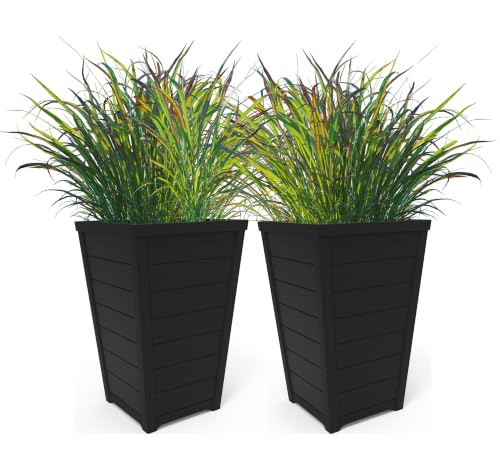
Keter City Planter
A compact, self-watering planter that fits perfectly on railings or small patios. Made from resin that looks like ceramic, it is lightweight and durable. The built-in water tank reduces watering frequency.
Pros
- Perfect for small spaces
- Self-watering wicks moisture
- Resin material is lightweight
Cons
- Small size limits plant options
- May not withstand extreme cold

HC Companies Dura Cotta Planter
An extra-large planter that can hold substantial trees and shrubs. Made of high-density polyethylene that resists cracking and fading. Its classic urn shape adds elegance to entryways or patios.
Pros
- Holds large plants with room to grow
- Durable plastic won’t crack
- Classic urn design
Cons
- Very heavy when filled with soil
- Limited color options
Before you buy
How they compare
| # | Model | Material | Best for | Score | Price |
|---|---|---|---|---|---|
| 1 | Bloem Terra Pot Planter | Polypropylene resin | Classic style with low maintenance | 9.4 | Check price |
| 2 | Utopia Home Resin Planter | Resin with stone finish | Modern fiberstone look without the weight | 9.2 | Check price |
| 3 | Fox & Fern Fiberstone Planter | Fiberstone (composite) | High-end look that lasts for decades | 9.1 | Check price |
| 4 | Fiskars Self-Watering Planter | Polypropylene | Busy gardeners who forget to water | 9.0 | Check price |
| 5 | Yitahome Tall Planter | Polypropylene | Privacy screens and tall plants | 8.8 | Check price |
| 6 | Keter City Planter | Resin | Balconies and small spaces | 8.7 | Check price |
| 7 | HC Companies Dura Cotta Planter | High-density polyethylene | Large trees and shrubs | 8.6 | Check price |
Questions worth asking
What is the best material for outdoor planters?
The best material depends on your climate and needs. For durability in freezing temperatures, plastic or resin are excellent choices because they won’t crack. For a premium look, fiberstone is strong and weather-resistant but heavier. Ceramic is beautiful but can crack in cold climates if not drained properly. Choose a material that suits your aesthetic and maintenance preference.
Do outdoor planters need drainage holes?
Yes, drainage holes are essential for most plants to prevent waterlogged soil, which can cause root rot. Some self-watering planters have a separate water reservoir that wicks moisture up, so they don’t have traditional drainage holes but still prevent overwatering. If your planter lacks holes, you can drill them yourself or use a liner with holes.
How do I keep outdoor planters from tipping over in wind?
To prevent tipping, choose a planter with a wide, heavy base or fill the bottom with gravel or sand to add weight. You can also place the planter against a wall or use stakes to secure it. For tall planters, consider using a heavier material like fiberstone or concrete, or attach a windbreak.
Can outdoor planters stay outside in winter?
Many planters made of plastic, resin, fiberstone, or metal can stay outside in winter. However, porous materials like terracotta and ceramic can absorb water and crack when it freezes. If you live in a cold climate, choose a freeze-resistant planter or move fragile ones indoors or into a sheltered area during winter.
What size planter do I need for a tomato plant?
Tomato plants require a planter that holds at least 5 gallons of soil to support their root system. A planter with a diameter of at least 18 inches and similar depth is ideal. Larger varieties like beefsteak may need a 10-gallon container. Ensure the planter has good drainage and is placed in full sun.
Should I put rocks in the bottom of an outdoor planter?
Adding rocks or gravel to the bottom of a planter was once common to improve drainage, but modern research suggests it may actually reduce drainage by creating a perched water table. Instead, use a pot that has drainage holes and place a coffee filter or landscape fabric over them to prevent soil loss, then fill with high-quality potting mix.
How often should I water plants in self-watering planters?
Self-watering planters have a water reservoir that can keep plants hydrated for days or weeks, depending on the size and plant type. Typically, you need to refill the reservoir every one to three weeks. Check the water level indicator regularly and adjust based on weather conditions and plant needs.
Can I paint an outdoor planter to match my decor?
Yes, you can paint outdoor planters, but the success depends on the material. For plastic or resin, use a spray paint designed for plastic after cleaning the surface. For terracotta or ceramic, use a masonry primer and exterior paint. Always apply a sealant to protect against weather. Some materials like fiberstone may already be painted and can be repainted with bonding primer.
What is the difference between a planter and a pot?
The terms are often used interchangeably, but generally, a pot is typically round and made of clay or plastic, while a planter can be any shape and is often larger and decorative. Planters may also include features like self-watering or built-in saucers. For outdoor use, planters are often designed to be more durable and aesthetically pleasing.
Are there outdoor planters that are safe for vegetable gardens?
Yes, many outdoor planters are safe for vegetables. Choose planters made of food-safe materials like polypropylene, which is commonly used for gardening. Avoid planters made from treated wood or those with lead-based paint. Ensure proper drainage and use organic potting soil to grow healthy vegetables.
Our take
For most people, the Bloem Terra Pot is the best overall outdoor planter because it offers a classic look, lightweight durability, and affordability. If you have a modern space and want low maintenance, choose the Utopia Home Resin Planter with self-watering. For large plants or premium aesthetics, invest in the Fox & Fern Fiberstone Planter. Remember to prioritize drainage and material that suits your climate.