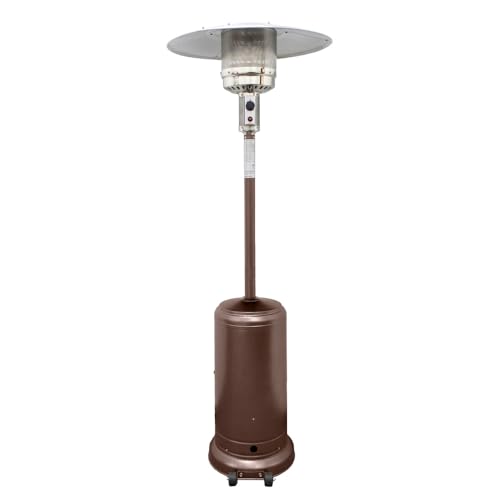
Outdoor Standing Fans Built to Survive Rain, Heat and Salt Air
The NewAir AF-330 leads for combining misting and standard airflow in one weatherproof unit. The iLiving Tornado suits coastal, humid climates with rust resistant housing. The Hurricane Classic 20 Inch Stand Fan delivers strong value with durable oscillating cooling.
Outdoor standing fans need sealed motors, rust resistant blades, and housings that survive rain, humidity, and direct sun without seizing up or corroding.
Misting versus standard airflow, corded versus battery power, and compact patios versus wide decks all change which fan fits, so specs below were compared side by side against real setups and owner feedback.
The top picks, ranked

NewAir AF-330 Outdoor Misting Fan and Pedestal Fan Combo
Switching between misting and standard airflow takes one dial, with a built in water line connection handling the mist side. Rust resistant aluminum housing and stainless steel hardware tolerate direct exposure on patios and pool decks. Three speeds and 90 degree oscillation cover most backyard seating layouts.
Pros
- Drops air temperature several degrees in misting mode
- Aluminum housing resists corrosion near pools and coastal air
- Oscillates 90 degrees to cover wide patio seating
Cons
- Needs a garden hose connection for misting to work
- Heavier than standard pedestal fans at over 20 pounds

iLiving Tornado 20-Inch Outdoor Rated Pedestal Fan
Powder coated steel blades and a sealed motor housing target humid or coastal climates where unsealed fans corrode within a season. Height and tilt adjust to work on uneven patio stone or decking. A remote control changes speed without leaving a lounge chair.
Pros
- Powder coated blades resist salt air corrosion
- Adjustable height fits seated or standing use
- Remote control reaches from patio furniture
Cons
- Larger base takes up more storage space
- Motor hum noticeable on the highest speed

Hurricane Classic 20 Inch Stand Fan
Metal blades pair with adjustable tilt and height, suiting covered porches and garages more than open decks. Three speeds and a wide oscillation sweep move air across mid sized spaces at a mid range price. Owners report years of daily use on covered patios.
Pros
- Metal blades hold up to years of daily outdoor use
- Adjustable height and tilt fit garages and patios alike
- Straightforward controls with no assembly complications
Cons
- Not sealed for direct rain exposure
- Plastic base feels less sturdy than the housing

Costway 18-Inch Outdoor Misting Pedestal Fan
Misting nozzles bolt onto a standard pedestal design here, aimed at cooling small patios and decks on a budget. A detachable water tank skips the hose hookup other misting fans require. Oscillation plus three speeds cover typical apartment balcony or small yard setups.
Pros
- Detachable tank skips the need for a hose connection
- Lowest price point among misting capable fans compared
- Compact footprint suits balconies and small patios
Cons
- Mist tank needs frequent refilling in hot weather
- Airflow weaker than full sized 20 inch models
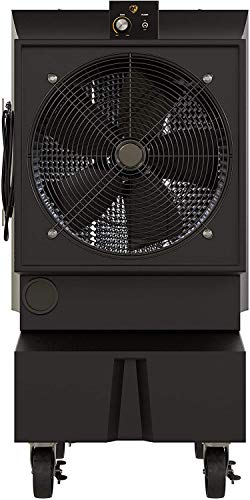
Big Ass Fans Cool-Space 300
Job sites and large gathering spaces call for this portable fan, which moves noticeably more air than typical pedestal models. Caster wheels on a rugged frame make repositioning across a deck or patio simple. Higher airflow suits open, uncovered areas where breezes dissipate quickly.
Pros
- Moves far more air than standard 18 to 20 inch fans
- Caster wheels make repositioning across large decks simple
- Durable frame suits job sites and commercial patios
Cons
- Bulkier and heavier than typical residential fans
- Higher noise level on top speed
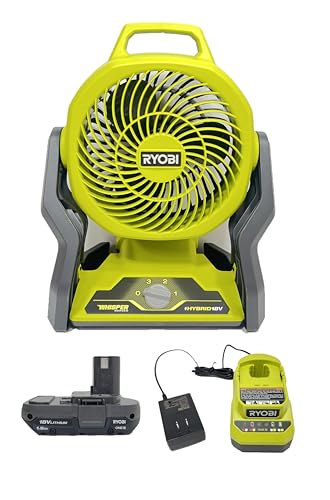
Ryobi 18V ONE+ Hybrid Fan (PCF801)
Ryobi 18V ONE+ batteries or a standard outlet both power this hybrid fan, useful where outdoor outlets sit far from the work. Job sites, garages, and camping setups suit its compact size better than fixed patio seating. Runtime on battery varies with pack size and speed setting.
Pros
- Works cordless or plugged in without extra adapters
- Shares batteries with other Ryobi 18V ONE+ tools
- Compact enough to clip onto job site railings
Cons
- Battery sold separately on most listings
- Smaller blade moves less air than full sized fans

Honeywell TurboForce Outdoor/Indoor Air Circulator Fan
A pistol grip design concentrates airflow at one spot instead of sweeping wide, useful for cooling a single work zone in a garage. Sturdy plastic housing tolerates dust and occasional splashes better than typical indoor fans. Its smaller footprint stores easily on a shelf or workbench.
Pros
- Directional design targets airflow at a specific work area
- Compact size stores easily in a garage cabinet
- Affordable option for spot cooling rather than whole patio coverage
Cons
- No oscillation for wide area coverage
- Not rated for direct rain or open patio exposure
Compared at a glance
| # | Model | Blade diameter | Best for | Score | Price |
|---|---|---|---|---|---|
| 1 | NewAir AF-330 Outdoor Misting Fan and Pedestal Fan Combo | 18 inches | Best overall | 9.4 | Check price |
| 2 | iLiving Tornado 20-Inch Outdoor Rated Pedestal Fan | 20 inches | Best for rust-resistant, coastal use | 9.1 | Check price |
| 3 | Hurricane Classic 20 Inch Stand Fan | 20 inches | Best value | 8.8 | Check price |
| 4 | Costway 18-Inch Outdoor Misting Pedestal Fan | 18 inches | Best budget | 8.5 | Check price |
| 5 | Big Ass Fans Cool-Space 300 | 20 inches | Best for large decks and high velocity airflow | 8.3 | Check price |
| 6 | Ryobi 18V ONE+ Hybrid Fan (PCF801) | 9 inches | Best cordless for job sites and garages | 8.1 | Check price |
| 7 | Honeywell TurboForce Outdoor/Indoor Air Circulator Fan | 9 inches | Best for garages and versatile indoor-outdoor use | 8.0 | Check price |
How to pick the right one
How to Choose an Outdoor Standing Fan Housing material matters most: powder coated steel and rust resistant aluminum outlast painted plastic in humid or coastal air. Motor sealing counts just as much as blade size, since exposed motors seize up after repeated rain exposure. A blade diameter between 18 and 20 inches covers most patios, while compact 9 inch circulator fans suit spot cooling in garages. Weight and base width affect stability on uneven decking or windy days.
Misting Fans vs Standard Outdoor Fans Fine nozzles on misting fans push water into the airflow, dropping temperature several degrees below what moving air alone achieves. Standard fans skip the water entirely, which works fine on shaded patios or covered porches. Hose connected misting systems need a nearby spigot, while tank based models trade that convenience for more frequent refilling. Humid climates get less benefit from misting, since the air already holds plenty of moisture.
Battery and Cordless Options for Job Sites and Garages Cordless fans solve a common problem: outdoor outlets sitting far from where cooling is actually needed, especially on job sites and detached garages. Hybrid models that accept both batteries and AC power add flexibility without forcing a choice upfront. Runtime drops fast on higher speed settings, so all day job site use often means packing a spare battery. Fixed patio setups near an outlet still do better with a corded fan.
Oscillation, Speed Settings, and Airflow for Patios vs Large Decks A 90 degree oscillation sweep spreads air across group seating rather than aiming at one chair. Open decks and job sites benefit from higher velocity motors that push air further before it dissipates outdoors. Smaller covered patios do fine with standard 3 speed pedestal fans, since walls and roofs trap the airflow. Wheeled bases make repositioning easier on large decks where seating arrangements change often.
Good to know
What is the difference between an outdoor standing fan and a regular fan?
Outdoor rated fans use sealed motors, rust resistant blades, and weatherproof housings built to survive humidity and occasional splashes, while standard indoor fans corrode or short out under the same conditions.
Are outdoor standing fans weatherproof enough to leave outside?
Most are rated splash or rain resistant rather than fully waterproof, so covered porches and patios with roof coverage suit them better than fully exposed decks during storms.
How much airflow do I need to cool a large deck?
Open, uncovered decks need higher velocity fans like the Big Ass Fans Cool-Space 300, since breezes dissipate quickly without walls or overhead cover to trap moving air.
Can outdoor fans be left outside in rain?
Sealed, IPX4 rated motors handle light rain and splashes, but manufacturers generally recommend covering or storing fans during heavy storms to protect electrical components.
Misting fan vs standard fan, which cools better on hot patios?
Misting fans drop air temperature several degrees through evaporation, which helps more in dry climates, while standard fans move air without changing its temperature.
Are battery powered outdoor fans strong enough for garages?
Compact hybrid fans like the Ryobi 18V ONE+ Hybrid Fan handle spot cooling in garages and job sites, though smaller blades move less air than full sized 20 inch pedestal fans.
What is the best outdoor fan for a covered porch?
Standard pedestal fans with 18 to 20 inch blades and 3 speed settings, such as the Hurricane Classic 20 Inch Stand Fan, cover typical covered porch seating without needing a water hookup.
How long do outdoor rated fan motors typically last?
Sealed, rust resistant models often run for several years of seasonal use, while unsealed indoor fans placed outdoors tend to fail within a single humid season based on manufacturer specifications.
Can a misting fan work without a garden hose?
Yes, tank based misting fans like the Costway 18-Inch model hold their own water supply, though the tank needs refilling more often than a hose fed system.
Do outdoor fans need oscillation to cool a patio well?
Oscillation helps spread air across group seating, but a directional fan like the Honeywell TurboForce still works well for cooling one specific work area or chair.
The bottom line
The NewAir AF-330 balances misting and standard airflow for most backyard setups, while the iLiving Tornado suits coastal or humid climates needing extra corrosion resistance. Job sites and garages without nearby outlets are better served by the Ryobi hybrid fan, and large open decks call for the higher velocity Big Ass Fans Cool-Space 300.