Choosing A Paint Palette For Acrylic, Oil, Or Watercolor
Most acrylic and gouache painters get the longest working time from the Masterson Sta-Wet Premier Palette, whose sealed lid holds moisture for days. The Mont Marte Sorted Tray delivers similar value with lidded wells at a lower cost. Watercolor sketchers travel lighter with the Sakura Koi Field Sketch Box.
Masterson’s Sta-Wet Premier Palette leads this lineup for acrylic and gouache painters who work across multiple sessions. Its sealed lid and damp sponge insert keep paint wet for days, though the plastic housing takes up more desk space than a flat tray.
Medium changes what a palette needs to do, so a single design rarely suits watercolor, acrylic, and oil equally well. We compared surface material, sealing or stay-wet capability, well layout, and listed compatibility with each paint type before ranking these seven.
The top picks, ranked
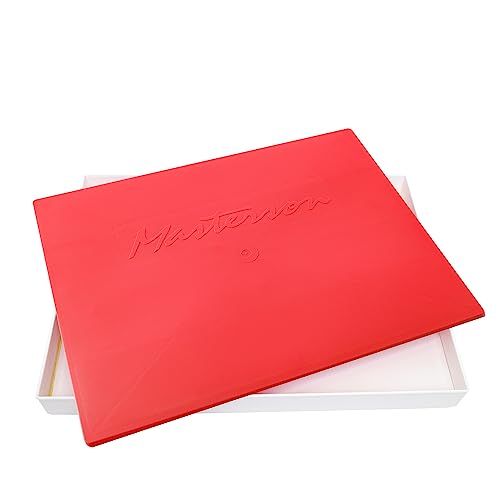
Masterson Sta-Wet Premier Palette
Masterson seals this palette box with a locking lid that traps moisture around a damp sponge insert. Painters lay a sheet of palette paper over the sponge, and acrylic or gouache stays workable for several days between sessions. The 12 x 16 inch surface leaves room to mix batches for larger canvases.
Pros
- Locking lid keeps paint workable for multiple days
- Palette paper sheets are simple to replace
- Sponge insert adds moisture without pooling water
Cons
- Housing adds bulk compared with a flat travel tray
- Not built for oil or solvent-based paint

Mont Marte Sorted Acrylic Paint Palette Tray with Lid
Mont Marte splits this tray into ten mixing wells alongside an open area for blending larger amounts of paint. A snap-on lid slows drying when a session pauses, and the dishwasher-safe plastic wipes clean of dried acrylic afterward. The tray stacks neatly in a drawer with other studio supplies.
Pros
- Snap-on lid slows drying during short breaks
- Dishwasher-safe plastic simplifies cleanup
- Ten wells keep individual colors from mixing together
Cons
- Lid does not seal tightly enough for multi-day storage
- Open mixing area is small for full canvas coverage

New Wave Grand View Palette Paper Pad
Each sheet in this tear-off pad gives painters a fresh oval mixing surface without scrubbing a tray between sessions. Grease-resistant paper stops paint from bleeding through, so mixed colors stay accurate. Forty sheets per pad mean painters can prop the pad on an easel tray or hold it in one hand.
Pros
- No tray to scrub between painting sessions
- Fresh white sheets show true, unmixed color
- Oval shape fits standard easel palette holders
Cons
- Sheets run out and require reordering
- Disposable design adds ongoing paper waste

Sakura Koi Watercolor Field Sketch Box
Sakura packs 12 watercolor pans and a refillable water brush into a box small enough for a jacket pocket. Flipping open the lid reveals a fold-out mixing palette for washes on location. Plein air sketchers get a full watercolor kit without carrying a separate water container.
Pros
- Self-contained kit skips a separate water source
- Fold-out lid works as a second mixing palette
- Pocket-sized footprint suits travel and plein air work
Cons
- Fold-out mixing area is tight for large washes
- Pans eventually need refilling with tube paint

Richeson Butcher Tray Palette
Richeson coats this steel tray in enamel for a smooth, non-porous surface that oil painters can scrape clean with a palette knife or solvent. A raised lip around the oval shape stops paint from sliding off the edge. Repeated turpentine cleanup does not stain or dull the enamel finish.
Pros
- Solvent cleanup will not damage the enamel surface
- Smooth finish keeps color mixing consistent
- Raised edge lip contains spills during mixing
Cons
- Steel construction weighs more than plastic or paper
- Water-based acrylic and gouache are not the intended use

MEEDEN Wooden Oval Palette
MEEDEN seals this beechwood palette to keep oil paint from soaking into the grain. A mid-tone wood surface makes it easier to judge how a color value will read against skin tones or landscapes than stark white plastic does. A thumb hole and curved edge rest comfortably against the forearm during standing sessions.
Pros
- Mid-tone surface helps with judging color values
- Thumb hole design suits long standing sessions
- Sealed finish limits oil absorption into the wood
Cons
- Seal needs periodic reoiling to stay effective
- Costs more to replace than a plastic tray

New Wave Posh Palette
New Wave engineers this plastic with a non-stick surface, so dried acrylic peels off in sheets instead of requiring a scrub brush. An ergonomic thumb hole and lightweight build reduce arm fatigue during long studio sessions. Repeated dishwasher cycles have not caused staining on the plastic surface.
Pros
- Dried acrylic peels away without scrubbing
- Lightweight build eases fatigue over long sessions
- Dishwasher-safe material speeds turnaround between sessions
Cons
- No lid means open paint dries at normal speed
- Mixing area is smaller than a full butcher tray
What matters most
What to Look for in a Paint Palette Palette material decides how paint behaves and how much cleanup a session leaves behind. Plastic and engineered surfaces resist staining and rinse clean in a sink or dishwasher. Wood gives a mid-tone surface for judging color accuracy, while paper pads skip cleanup by design. Stay-wet lids matter most for acrylic and gouache, since both dry within minutes of open air.
Well Count Versus Open Mixing Area Many small wells suit painters keeping colors separated, such as those teaching color theory or working from a limited palette. A wide open area works better for blending large batches used in backgrounds or base coats. Compact travel palettes trade mixing space for portability, a fair swap for plein air or sketchbook work. Studio setups at a fixed easel can afford the larger footprint since portability stops mattering.
Which Palette Fits Watercolor, Acrylic, or Oil? Watercolor needs small wells for pigment plus a flat zone for diluting washes, which is why kits like the Sakura box pair pans with a fold-out lid. Acrylic dries within minutes of air exposure, so stay-wet or lidded designs extend working time the most. Oil resists drying long enough that wood or enamel steel trays work fine without a seal, though solvent cleanup rules out some plastics. Gouache behaves like acrylic and pairs well with the same sealed designs.
Is a Sealed Lid Worth the Extra Bulk? A sealed lid stretches working time but adds weight and bulk next to an open tray. Non-stick plastic peels clean in a way wood and enamel steel cannot match, though wood offers better color judgment for representational work. Paper pads remove cleanup entirely, at the cost of recurring sheet purchases. Frequent travelers should weigh a compact watercolor box or lightweight tray against a heavier wood or steel palette.
How they compare
| # | Model | Material | Best for | Score | Price |
|---|---|---|---|---|---|
| 1 | Masterson Sta-Wet Premier Palette | Reinforced ABS plastic housing | Best overall for acrylic and gouache | 9.4 | Check price |
| 2 | Mont Marte Sorted Acrylic Paint Palette Tray with Lid | Dishwasher-safe plastic | Best value | 9.1 | Check price |
| 3 | New Wave Grand View Palette Paper Pad | Grease-resistant palette paper | Best budget | 8.8 | Check price |
| 4 | Sakura Koi Watercolor Field Sketch Box | 12 watercolor pans | Best for watercolor and travel sketching | 8.6 | Check price |
| 5 | Richeson Butcher Tray Palette | Enamel-coated steel | Best for oil painting | 8.4 | Check price |
| 6 | MEEDEN Wooden Oval Palette | Sealed beechwood | Best traditional wood palette | 8.2 | Check price |
| 7 | New Wave Posh Palette | Non-stick engineered plastic | Best for easy studio cleanup | 8.0 | Check price |
Questions worth asking
What is the best paint palette for acrylic painters?
Painters working in acrylic get the most benefit from a stay-wet design like the Masterson Sta-Wet Premier, since its airtight lid slows drying far more than an open tray.
Do wooden palettes work for watercolor?
Wood is uncommon for watercolor because the porous surface absorbs pigment and water; a plastic or enamel palette with wells fits the medium better.
How many wells does a paint palette need?
Painters mixing many separate colors do well with 8 to 12 wells, while those blending large batches for backgrounds prefer an open flat area instead.
Can a stay-wet palette be used for oil paint?
Oil paint already stays workable for hours without help, so a stay-wet acrylic design adds little and some sponge-based inserts are not oil-safe anyway.
Is a glass palette better than plastic?
Glass wipes clean like enamel steel and resists staining, but it weighs more and breaks more easily than engineered plastic or sealed wood.
What size paint palette should a beginner buy?
A mid-size tray around 9 x 12 inches gives enough room for canvas work without the bulk of a full studio palette.
How do you clean a wooden paint palette?
Scrape off excess paint with a palette knife first, then wipe with a rag and a small amount of oil or solvent to protect the sealed finish.
Are disposable palette pads worth buying?
Paper pads save time for painters who dislike scrubbing dried acrylic, though the recurring sheet cost adds up more than a reusable tray over time.
Palette paper or plastic tray, which lasts longer?
A plastic tray outlasts paper pads since it is reusable indefinitely, while paper needs restocking after every pad runs out.
Our take
Masterson’s Sta-Wet Premier Palette remains the strongest choice for acrylic and gouache painters who need paint to survive between sessions. Anyone painting mostly in oil should skip the sealed lid entirely and pick the Richeson Butcher Tray Palette, since solvent cleanup would ruin the sponge insert. Painters who want zero scrubbing and don’t mind ongoing costs will get more mileage from the New Wave Grand View Paper Pad than from any reusable tray.


