Top Kids Pastels for Messy Hands and Big Imaginations
The Mungyo Non-Toxic Square Chalk Pastels are our top pick for most kids. They offer bright, blendable colors at a low cost, which makes them great for school projects and first-time users. Their main drawback is that they can be dusty, so they are best used on a tray or outdoors.
Pastels open a world of color for kids, but they also open a world of mess. Parents and teachers need options that are safe, easy to clean, and fun to use.
From chubby sticks for toddlers to professional-grade sets for teens, the right pastels can spark creativity without causing frustration. We looked at what real buyers and educators say about each set to help you choose.
The shortlist, ranked

Mungyo Non-Toxic Square Chalk Pastels, 64 Colors
This set includes 64 vibrant chalk pastels in a sturdy box. The sticks are slightly soft, making them easy to blend with fingers or tissues. They produce rich color on paper and are non-toxic, which is a must for younger kids. The main downside is the dusty residue, which may bother kids with allergies.
Pros
- Vibrant color payoff
- Soft texture blends easily
- Great value for the number of colors
Cons
- Very dusty, can be messy
- Sticks can break if dropped

Pentel Arts Oil Pastels, 50 Color Set
Pentel oil pastels are creamy and glide smoothly on paper. They are less dusty than chalk pastels, making them easier to clean up. The colors are bright and mix well. However, they can smear if not handled carefully, and they are not ideal for detailed work.
Pros
- Creamy texture, easy for small hands
- No dust, easy cleanup
- Colors blend beautifully
Cons
- Can smear easily on paper
- Some colors may stain clothing

Crayola Oil Pastels, 28 Count
Crayola oil pastels are designed with kids in mind. They are slightly thicker and easier for small hands to hold. The colors are bold, and the pastels are washable from skin and most fabrics. They are a bit harder than other brands, so blending takes more effort.
Pros
- Washable from skin and clothes
- Thick sticks are easy to grip
- Durable, less likely to break
Cons
- Colors are less creamy for blending
- Limited color variety compared to larger sets
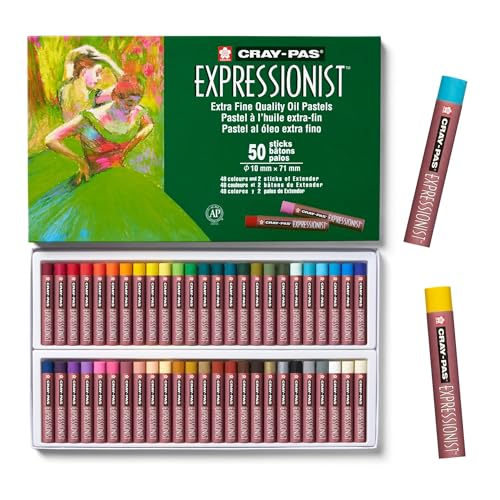
Sakura Cray-Pas Expressionist Oil Pastels, 48 Pieces
Sakura Cray-Pas are a step up in quality. They are soft and creamy, allowing for smooth layering and blending. They are often used in art classrooms for students. The set includes a wide range of colors, but they are pricier than other options.
Pros
- Professional quality, smooth application
- Excellent color mixing and layering
- Long-lasting, less breakage
Cons
- More expensive per stick
- May be too soft for very young kids
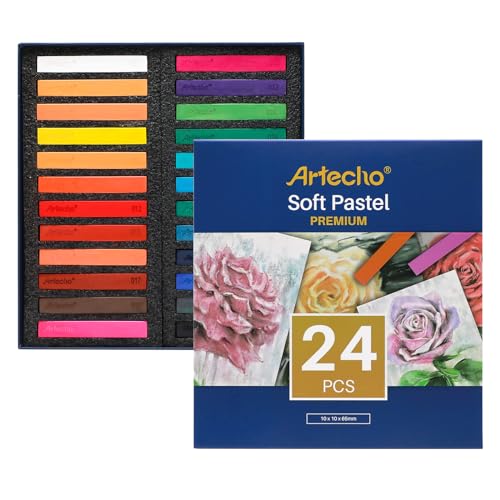
ALEX Art Pastel Chalk, 24 Count
ALEX Art pastel chalks are chunky and perfect for drawing on pavement. They are washable and easy to hold. They come in bright colors and are designed for outdoor use. They are chalky, so they can be messy, but they wash away with water.
Pros
- Jumbo size, easy for small hands
- Washes off surfaces easily
- Bright, fun colors
Cons
- Not suitable for detailed art
- Very dusty when used indoors

Kuelox Water-Soluble Oil Pastels, 24 Colors
Kuelox pastels can be used dry like oil pastels or with water to create paint effects. This dual use adds versatility for creative projects. They are softer than some brands, which makes them easy to spread. However, they are not as widely available and may be harder to find in stores.
Pros
- Can be used wet or dry, multiple techniques
- Smooth and creamy texture
- Water cleanup for brushes and hands
Cons
- Some colors may be less pigmented
- Sticks are a bit small for tiny hands

Honeysticks Crayons and Pastels Set, 12 Colors
Honeysticks are made from beeswax and natural pigments, making them safe for even the youngest artists. They are shaped like chunky pastels and are easy to grip. They are non-toxic and biodegradable. The color range is smaller, and they are more expensive.
Pros
- Safe if chewed, ideal for toddlers
- Eco-friendly, sustainable materials
- Ergonomic shape for small hands
Cons
- Limited color selection
- Higher price point
Before you buy
How they compare
| # | Model | Count | Best for | Score | Price |
|---|---|---|---|---|---|
| 1 | Mungyo Non-Toxic Square Chalk Pastels, 64 Colors | 64 colors | Best overall for classrooms and beginners | 9.4 | Check price |
| 2 | Pentel Arts Oil Pastels, 50 Color Set | 50 colors | Best for mess-free and smooth blending | 9.2 | Check price |
| 3 | Crayola Oil Pastels, 28 Count | 28 colors | Best for young children due to easy grip | 9.0 | Check price |
| 4 | Sakura Cray-Pas Expressionist Oil Pastels, 48 Pieces | 48 colors | Best for older kids who want artist quality | 9.3 | Check price |
| 5 | ALEX Art Pastel Chalk, 24 Count | 24 colors | Best for sidewalk art and outdoor play | 8.8 | Check price |
| 6 | Kuelox Water-Soluble Oil Pastels, 24 Colors | 24 colors | Best for kids who like to paint with water | 8.7 | Check price |
| 7 | Honeysticks Crayons and Pastels Set, 12 Colors | 12 colors | Best for eco-conscious families | 8.5 | Check price |
Frequently asked questions
Are pastels safe for toddlers?
Yes, many pastels are non-toxic and safe for toddlers, but always check the label. Crayola oil pastels and Honeysticks are good choices for young children because they are non-toxic and washable. Always supervise toddlers to prevent them from putting pastels in their mouths.
What is the difference between oil and chalk pastels?
Oil pastels have a waxy or oily binder, so they are creamy and less dusty. Chalk pastels have a chalky texture that produces dust and blends softly. Oil pastels are easier to control and clean, while chalk pastels are better for shading and artistic effects.
Can kids use pastels on regular paper?
Yes, kids can use pastels on regular paper, but thicker paper like construction paper or mixed-media paper works better. Oil pastels may bleed through thin paper, and chalk pastels need a bit of tooth to grab the pigment. Cardstock or watercolor paper are good choices.
How do I remove pastel stains from clothing?
For oil pastels, scrape off excess, then treat with dish soap or laundry detergent before washing. For chalk pastels, shake off the dust and pre-treat with a stain remover. Wash in cold water. Some pastels are washable, so check the label.
Which pastels are best for outdoor sidewalk art?
Chunky chalk pastels like ALEX Art are ideal for sidewalks. They are thick, easy to hold, and wash away with rain or a hose. Regular chalk pastels can also work but may break more easily on rough surfaces.
Are there pastels that don’t make a mess?
Oil pastels are generally less messy than chalk pastels because they don’t produce dust. However, they can still smear. Using a work surface that is easy to clean and having wipes nearby helps reduce mess.
What pastels do art teachers recommend for kids?
Many art teachers recommend Pentel Oil Pastels or Sakura Cray-Pas for their quality and ease of use. Mungyo chalk pastels are also popular for classroom projects because they are affordable and blend well.
How many colors should a kids pastel set have?
For young children, a set of 12 to 24 colors is plenty. Larger sets with 50 or more colors can be overwhelming for small kids but are great for older children who want more variety for detailed work.
The verdict
For most families, the Mungyo Non-Toxic Square Chalk Pastels offer the best balance of color, price, and ease of use for kids aged 5 and up. If you want a mess-free option, go with the Pentel Arts Oil Pastels. For toddlers, choose the Crayola Oil Pastels for their safety and washability.