Contractor Grade Pipe Fittings That Hold Up on the Job
For most contractors, the Dixon Valve Camlock Type A fits the bill with its heavy duty aluminum build and instant connect design. It suits high flow transfer jobs and offers a secure grip. Its main limitation is that it is not ideal for permanent pressurized lines.
Pipe fittings are the backbone of any plumbing or industrial system. Contractors need parts that install fast and last years without failure.
This roundup covers adapters, couplings, and valves that pros trust on active job sites. We focused on real world performance and build quality.
The top picks, ranked

Dixon Valve Camlock Type A Adapter
The Dixon Camlock is a workhorse for moving water, fuel, and chemicals. Its aluminum body resists corrosion and the cam arms lock tight with a simple snap.
Pros
- Fast connect and disconnect
- Durable aluminum build
- Interchangeable with standard camlock
Cons
- Not for permanent pressurized lines
- Can be stiff when cold
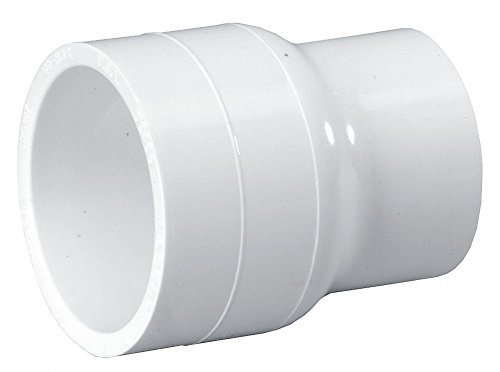
Lasco 1 Inch PVC Schedule 40 Slip Coupling
Lasco’s PVC coupling is a staple for non pressurized drainage. It glues easily and provides a leak proof seal when used with primer and cement.
Pros
- Inexpensive and reliable
- Lightweight and easy to glue
- Resists chemical corrosion
Cons
- Not for hot water lines
- Low pressure tolerance
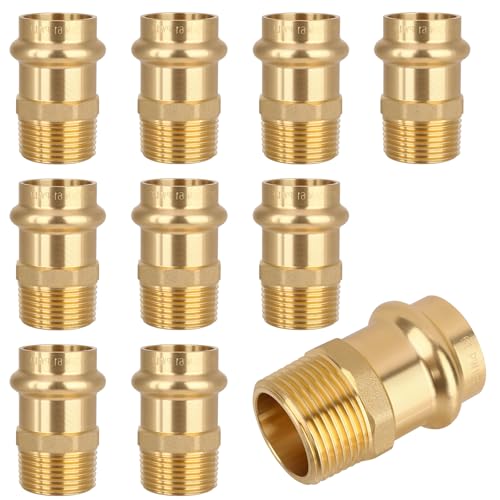
Apollo 3/4 Inch Lead Free Brass Press Adapter
Apollo press fittings eliminate soldering and reduce fire risk. The lead free brass construction meets code and the press connection takes seconds with the right tool.
Pros
- No open flame needed
- Consistent, reliable seal
- Approved for potable water
Cons
- Requires expensive press tool
- Higher material cost

Mueller Proline 1 Inch Galvanized Steel Nipple
Mueller Proline galvanized nipples are pre cut and threaded for easy use. The zinc coating guards against rust, making it suitable for outdoor and high wear areas.
Pros
- Very strong and rigid
- Threaded for immediate use
- Long lasting in harsh conditions
Cons
- Heavy and hard to cut
- Can corrode over time with water

SharkBite 1/2 Inch Push to Connect Coupling
SharkBite fittings are known for their simplicity. Push to connect design works on copper, PEX, and CPVC, making it a versatile backup for any contractor.
Pros
- No soldering or glue needed
- Can be removed with tool
- Works on multiple pipe types
Cons
- Cost more than traditional fittings
- Not for underground use

Forge Steel 3/4 Inch Black Iron Floor Flange
This floor flange from Forge Steel provides a solid anchor point for black iron pipe. Its four bolt holes ensure a stable mount for gas lines or handrails.
Pros
- Rugged construction
- Easy to mount with standard bolts
- Provides stable support
Cons
- May require additional painting
- Limited to surface mounting

BrassCraft 3/8 Inch Compression Union
BrassCraft compression unions allow for straightforward connection of copper or plastic tubing. The brass body resists corrosion and the compression ring creates a strong seal.
Pros
- No special tools needed
- Can be disassembled easily
- Works with many tubing types
Cons
- Not for high vibration areas
- May loosen over time if not tightened
Compared at a glance
| # | Model | Material | Best for | Score | Price |
|---|---|---|---|---|---|
| 1 | Dixon Valve Camlock Type A Adapter | Aluminum | High flow liquid transfer with quick disconnect needs | 9.4 | Check price |
| 2 | Lasco 1 Inch PVC Schedule 40 Slip Coupling | PVC | Budget friendly drain and vent systems | 9.0 | Check price |
| 3 | Apollo 3/4 Inch Lead Free Brass Press Adapter | Lead free brass | Fast installation on copper or PEX lines | 9.2 | Check price |
| 4 | Mueller Proline 1 Inch Galvanized Steel Nipple | Galvanized steel | Structural and gas piping applications | 8.8 | Check price |
| 5 | SharkBite 1/2 Inch Push to Connect Coupling | Lead free brass | Quick repairs and tight spaces without special tools | 9.1 | Check price |
| 6 | Forge Steel 3/4 Inch Black Iron Floor Flange | Malleable iron | Securing pipes to walls and floors | 8.5 | Check price |
| 7 | BrassCraft 3/8 Inch Compression Union | Brass | Connecting different pipe materials in tight spots | 8.8 | Check price |
How to pick the right one
Frequently asked questions
What is the difference between Schedule 40 and Schedule 80 PVC fittings?
Schedule 80 has thicker walls and higher pressure ratings. It is more durable but more expensive. Schedule 40 is common for drainage and low pressure water. Schedule 80 is used for industrial and high pressure applications.
Can I use push to connect fittings on copper pipe?
Yes, push to connect fittings like SharkBite are designed for copper, PEX, and CPVC. You must cut the pipe cleanly and deburr it. They are approved for underground use if wrapped properly, but some codes prohibit them in concealed spaces.
How do I choose between threaded and slip fittings?
Threaded fittings are for metal pipes and allow easy disassembly. Slip fittings are glued for plastic pipes and create a permanent bond. Threaded requires thread sealant and proper alignment. Slip needs primer and cement. Consider future maintenance needs.
Are brass fittings better than stainless steel?
Brass is easier to machine and less expensive. Stainless steel is stronger and more corrosion resistant. For potable water, lead free brass is common. For chemical or saltwater environments, stainless is preferred. Cost and availability often decide.
What does NPT mean on pipe threads?
NPT stands for National Pipe Thread, a standard for tapered threads. It creates a seal when tightened. Use thread sealant tape or paste to prevent leaks. NPT is common in North America for metal pipes.
Can I use galvanized fittings for natural gas?
Galvanized fittings are not recommended for gas lines. The zinc coating can flake and clog orifices. Black iron or steel is the standard for gas. Some codes allow galvanized above ground, but it is safer to use black iron.
How do I measure pipe fitting size?
Pipe size refers to the nominal inside diameter, not the actual outside. For example, 1 inch PVC has an outside diameter of about 1.315 inches. Use a caliper to measure the diameter and refer to a chart to determine the nominal size.
What is a dielectric union and when is it needed?
A dielectric union connects dissimilar metals to prevent galvanic corrosion. It has an insulating gasket between the two sides. Use it when joining copper to steel or galvanized pipe. It is required by many plumbing codes.
Final word
Go with the Dixon Valve Camlock Type A if you need a reliable quick connect for transfer jobs. For permanent plumbing, choose Apollo press fittings for speed and code compliance. For a budget friendly option, Lasco PVC couplings work well for drains. But for overall contractor versatility, SharkBite push to connect fittings save time on repairs and are worth the extra cost.