Top Portable Battery Leaf Blowers Ranked by Power and Runtime
For most homeowners, the EGO Power+ LB5800 is the best portable battery leaf blower. It delivers exceptional air volume and speed that rivals gas models, yet it runs quietly and with zero emissions. Its main limitation is the premium price, but for clearing large yards and wet leaves, the performance justifies the cost.
Cordless leaf blowers have evolved from weak yard tools to serious workhorses. Modern brushless motors and high-voltage batteries deliver gas-like performance without the pull starts, fumes, or maintenance.
This roundup focuses on portable models that balance power, runtime, and weight. Whether you have a small patio or a sprawling lawn, you will find a blower that fits your needs and budget.
How to pick the right one
What we recommend
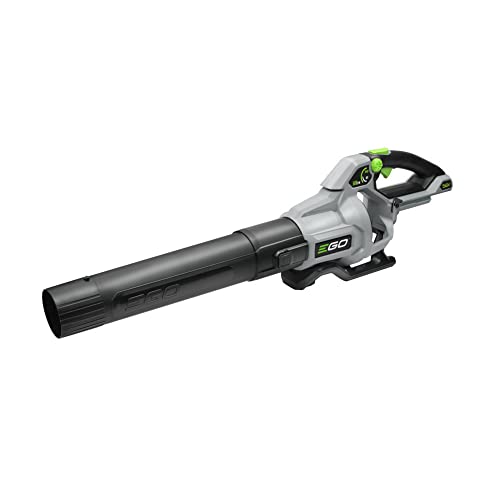
EGO Power+ LB5800 580 CFM Variable Speed Blower
The EGO LB5800 is a powerhouse with 580 CFM and 145 MPH. Its 56V battery platform offers extended runtime with a 5.0Ah battery, and it operates with low noise and zero emissions. Owners praise its ability to move wet leaves and debris effortlessly.
Pros
- Excellent power for heavy jobs
- Quiet operation compared to gas
- Variable speed trigger and cruise control
Cons
- Expensive initial investment
- Battery and charger sold separately (unless kit)

DEWALT 20V MAX XR Leaf Blower (DCBL772X1)
The DEWALT DCBL772X1 produces 450 CFM and 110 MPH, perfect for clearing leaves and light debris. It features a high-efficiency brushless motor and a variable speed trigger with cruise control. It is compatible with DEWALT’s 20V MAX system, making it a smart addition for existing users.
Pros
- Rugged construction
- Dual speed modes
- Low noise at 64 dBA
Cons
- Battery runtime moderate
- Not as powerful as EGO
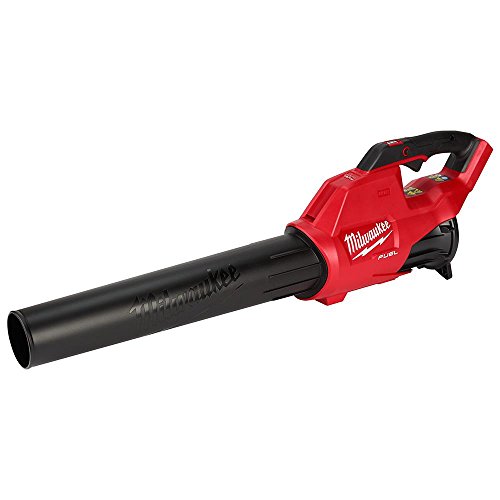
Milwaukee M18 Fuel 200 MPH Leaf Blower (2720-20)
Milwaukee’s M18 Fuel blower pushes 450 CFM at 200 MPH, the highest speed in this lineup. It is compact and lightweight, ideal for tight spaces and quick cleanups. The brushless motor and Redlink Plus intelligence provide durability and efficiency.
Pros
- Extremely high airspeed
- Compact and balanced
- All-metal gear case
Cons
- Battery not included
- May be loud at full speed

Ryobi 40V HP Brushless Whisper Series Leaf Blower (RY404100)
The Ryobi Whisper Series delivers 520 CFM and 145 MPH while operating at just 59 dBA, making it one of the quietest high-performance blowers. It features a brushless motor and a variable speed dial. Owners appreciate the reduced noise for early morning use.
Pros
- Very quiet operation
- Powerful enough for most yards
- Variable speed and cruise control
Cons
- Battery and charger sold separately
- Noisier than advertised at high speeds

Makita XBU02PT1 36V (18V X2) LXT Brushless Blower
Makita’s XBU02PT1 uses two 18V batteries to deliver 459 CFM and 120 MPH. It is built for heavy use with a dual battery system that extends runtime. The blower is part of Makita’s LXT platform, offering a wide range of compatible tools.
Pros
- Excellent runtime with two batteries
- Brushless motor for longevity
- Variable speed trigger with lock
Cons
- Heavier due to dual batteries
- Slower airspeed compared to others

Greenworks Pro 80V 145 MPH Blower (BL80L2510)
The Greenworks Pro 80V offers 145 MPH and 450 CFM, providing solid power at a more affordable price point. It includes a 2.0Ah battery and charger, so you can start immediately. It is lightweight and easy to handle for most users.
Pros
- Battery and charger included
- Strong power for price
- Turbo button for extra boost
Cons
- Battery capacity moderate
- Not as durable as premium brands

Worx WG545 40V Power Share Turbine Blower
The Worx WG545 is a compact yet capable blower that produces 135 MPH and 400 CFM. It weighs only 4.6 pounds, making it ideal for extended use with minimal fatigue. It is compatible with Worx’s Power Share battery family, which is shared across many tools.
Pros
- Very lightweight
- Affordable price
- Variable speed control
Cons
- Not as powerful as higher-end models
- Battery sold separately
The lineup, side by side
| # | Model | Air Volume | Best for | Score | Price |
|---|---|---|---|---|---|
| 1 | EGO Power+ LB5800 580 CFM Variable Speed Blower | 580 CFM | Best overall for power and runtime | 9.4 | Check price |
| 2 | DEWALT 20V MAX XR Leaf Blower (DCBL772X1) | 450 CFM | Best for DEWALT users and jobsite durability | 9.2 | Check price |
| 3 | Milwaukee M18 Fuel 200 MPH Leaf Blower (2720-20) | 450 CFM | Best for high speed and compact design | 9.0 | Check price |
| 4 | Ryobi 40V HP Brushless Whisper Series Leaf Blower (RY404100) | 520 CFM | Best quiet operation | 8.8 | Check price |
| 5 | Makita XBU02PT1 36V (18V X2) LXT Brushless Blower | 459 CFM | Best for runtime and professional use | 8.7 | Check price |
| 6 | Greenworks Pro 80V 145 MPH Blower (BL80L2510) | 450 CFM | Best value for power | 8.5 | Check price |
| 7 | Worx WG545 40V Power Share Turbine Blower | 400 CFM | Best lightweight and budget-friendly | 8.3 | Check price |
Common questions
Are battery leaf blowers as powerful as gas models?
Modern high-voltage battery blowers can match or exceed the power of many gas models, especially in terms of air volume and speed. The EGO LB5800, for example, produces 580 CFM, which is comparable to entry-level gas blowers. However, gas models may still have an edge in extreme conditions or continuous heavy use.
How long does a battery leaf blower run on a single charge?
Runtime varies with battery capacity and speed setting. On a 5.0Ah battery, most blowers run 20 to 30 minutes at full power, and up to an hour or more on low speed. For larger yards, consider having two batteries or choosing a model with dual battery support like Makita’s XBU02.
Are leaf blowers with lower dBA ratings noticeably quieter?
Yes, a difference of even 10 dBA is significant because the decibel scale is logarithmic. A blower rated at 59 dBA, like the Ryobi Whisper, sounds about half as loud as a model rated at 70 dBA. This can be important for early morning use or in noise-sensitive neighborhoods.
What is the best voltage for a battery leaf blower?
For most residential tasks, 40V to 80V systems offer a good balance of power and weight. Higher voltage (like 80V) can provide more torque and runtime, but often at a higher price. Consider the overall battery ecosystem and your specific yard size.
Can I use a leaf blower to clear snow?
Some users use leaf blowers to clear light, fluffy snow from driveways and walkways. High air speed is more important than volume for snow. However, heavy or wet snow is difficult to move. Always check the manufacturer’s recommendations before using a blower for snow removal.
Do cordless leaf blowers require maintenance?
Battery leaf blowers require minimal maintenance. Keep the air intakes clean, check for debris buildup, and store the battery properly. Unlike gas models, there is no oil to change, no spark plugs to replace, and no fuel to stabilize, making them much easier to maintain.
What is the average lifespan of a leaf blower battery?
Lithium-ion batteries typically last 3 to 5 years or 300 to 500 charge cycles, depending on usage and care. Avoid storing them in extreme temperatures and never discharge them completely. Over time, the runtime will decrease, at which point you may need to replace the battery.
Are more expensive leaf blowers worth it?
Often they are, because premium brands like EGO and Milwaukee invest in higher quality components, better battery technology, and more robust construction. That can translate to better performance, longer tool life, and more consistent power. However, for occasional light use, a budget model like Worx may suffice.
Can I use the same battery for other tools from the same brand?
Yes, most brands have a battery platform that works across multiple tools. For example, DEWALT 20V batteries power drills and leaf blowers. This can save you money and reduce clutter if you already own tools from the same ecosystem.
What does CFM stand for and why does it matter?
CFM stands for cubic feet per minute, which measures the volume of air the blower moves. A higher CFM means the blower can move more leaves and debris at once. It’s particularly important for clearing large piles or moving heavy materials like wet leaves.
Our pick
If you want the best all-around performance, choose the EGO Power+ LB5800. It offers unmatched power and runtime for most residential properties, despite its higher price. For budget-conscious buyers who already invest in a battery platform, the DEWALT or Milwaukee models are excellent choices. If noise is a big concern, the Ryobi Whisper Series delivers near-silent operation without sacrificing much power. Ultimately, the right blower balances your yard size, battery ecosystem, and budget.