Portable Car Scanners That Do More Than Clear a Code
Autel MaxiCOM MK808 leads this comparison with bidirectional controls and full-system coverage across engine, ABS, SRS and transmission modules. BlueDriver Bluetooth Pro suits drivers who want app-based diagnostics without a screen. TOPDON Phoenix Lite2 adds active component tests for home garage repairs.
Autel MaxiCOM MK808 leads this lineup for drivers who want dealer-style diagnostics. It combines bidirectional component tests with coverage of engine, transmission, ABS and SRS modules in one handheld unit. Touchscreen menus take longer to learn than a plug-and-read code reader, so a driver who only wants a quick engine light check may find it more tool than needed.
We compared connection type, system coverage and bidirectional test capability across all seven scanners, then checked those specs against owner feedback on reliability and update support. A basic engine-only reader and a four-system bidirectional tablet solve different problems, so these picks split by what each tool actually covers rather than by price alone.
The top picks, ranked

Autel MaxiCOM MK808
A 7-inch touchscreen runs the interface and plugs directly into the OBD2 port. It reads and clears codes across engine, transmission, ABS and SRS modules, then adds bidirectional tests for jobs like electronic parking brake service and injector coding. Updates arrive over Wi-Fi, and the unit stores scan history for repeat visits to the same vehicle.
Pros
- Bidirectional controls let you activate components during diagnosis
- Covers 25 plus service functions including oil reset and steering angle calibration
- Stores scan reports for tracking repairs across visits
Cons
- Touchscreen menus take longer to learn than a basic code reader
- Larger tablet body is less pocket-friendly than dongle-style scanners
BlueDriver Bluetooth Pro OBD2 Scanner
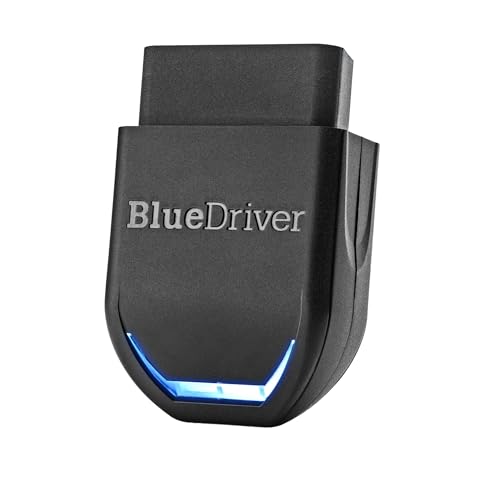
This dongle plugs into the OBD2 port and pairs over Bluetooth with the free BlueDriver app on iOS or Android. It pulls generic and manufacturer-specific codes, then shows likely repair steps based on the vehicle’s make and model. No built-in screen and no monthly subscription come after the initial purchase.
Pros
- Enhanced codes go beyond generic OBD2 for many brands
- No subscription fees after the initial purchase
- Compact size fits easily in a glove box
Cons
- Requires a paired phone, so it will not work on its own
- No bidirectional controls for active component tests

TOPDON Phoenix Lite2
Phoenix Lite2 pairs a built-in touchscreen with bidirectional control, letting owners run active tests on parts like the ABS pump or EGR valve. More than 30 service resets cover oil life, electronic parking brake and steering angle sensor calibration. Free software updates run for two years from activation.
Pros
- Active tests go beyond simple code reading
- 30 plus resets cover most routine maintenance lights
- Built-in screen means no phone pairing required
Cons
- Free update window ends after two years
- Bulkier to store than dongle-style Bluetooth scanners

LAUNCH CRP129E
CRP129E is a handheld unit built around four core systems: engine, transmission, ABS and SRS. It adds resets for oil life, electronic parking brake, steering angle sensor and TPMS, plus a throttle body relearn function. A color screen displays live data through button navigation, without needing a separate phone or tablet.
Pros
- Covers four major systems in one handheld tool
- TPMS and throttle relearn functions replace separate tool purchases
- Wi-Fi updates keep code definitions current
Cons
- No bidirectional active tests like pricier tablet-style scanners
- Button navigation is slower than a full touchscreen

INNOVA 3160g
This code reader covers engine, ABS and SRS systems, then streams live data on a built-in color screen. It also pairs over Bluetooth with the RepairSolutions2 app, which surfaces Direct-Hit fixes confirmed by other owners who had the same code. On-device screen plus app-based guidance suits owners new to diagnostics.
Pros
- Direct-Hit repair suggestions come from real owner-reported fixes
- Covers ABS and SRS in addition to engine codes
- Built-in screen works even without a paired phone
Cons
- No bidirectional controls for active component tests
- Transmission system codes are not covered

ANCEL AD410
AD410 reads and clears generic engine codes, then resets the oil maintenance light after a service. Its 2.4-inch color screen shows a built-in DTC lookup library, so drivers check what a code means without a phone or laptop. The unit plugs directly into the OBD2 port and needs no app.
Pros
- Built-in code lookup library needs no internet connection
- Oil reset function covers a common post-service task
- Simple menu suits first-time scanner buyers
Cons
- Limited to engine codes and oil reset, no ABS or SRS
- Small screen makes longer code descriptions harder to read

FOXWELL NT301
NT301 is a straightforward engine code reader that plugs into the OBD2 port and reads both generic and manufacturer-specific codes. It shows live data streams and freeze frame snapshots on a 2.8-inch color screen. No app, subscription or Bluetooth pairing gets involved.
Pros
- Low-cost entry point for basic code reading
- Live data and freeze frame add context beyond a code number
- No app or account setup required
Cons
- Covers engine codes only, not ABS, SRS, or transmission
- No bidirectional tests or service reset functions
How they stack up
| # | Model | Display | Best for | Score | Price |
|---|---|---|---|---|---|
| 1 | Autel MaxiCOM MK808 | 7-inch touchscreen | Best overall | 9.4 | Check price |
| 2 | BlueDriver Bluetooth Pro OBD2 Scanner | Bluetooth to iOS or Android app | Best for smartphone app diagnostics | 9.1 | Check price |
| 3 | TOPDON Phoenix Lite2 | Built-in tablet touchscreen | Best for bidirectional DIY repairs | 8.9 | Check price |
| 4 | LAUNCH CRP129E | Engine, transmission, ABS, and SRS | Best for ABS, SRS, and transmission coverage | 8.6 | Check price |
| 5 | INNOVA 3160g | Engine, ABS, and SRS with live data | Best for beginners | 8.3 | Check price |
| 6 | ANCEL AD410 | Engine codes plus oil light reset | Best value | 8.1 | Check price |
| 7 | FOXWELL NT301 | Engine only, generic and manufacturer-specific codes | Best budget | 8.0 | Check price |
What matters most
What a portable scanner actually does Every tool here plugs into the OBD2 port found under the dashboard on cars built since 1996. It pulls trouble codes, translates them into plain language and often streams live sensor data as the engine runs. Coverage splits into two tiers: engine-only readers handle the check engine light, while multi-system tools also reach ABS, SRS and transmission modules. Picking the right tier first narrows these seven options down fast.
Basic code readers versus bidirectional scanners A code reader like the FOXWELL NT301 or ANCEL AD410 reads and clears codes but cannot make a component move. Bidirectional tools such as the Autel MaxiCOM MK808 and TOPDON Phoenix Lite2 go further, commanding an ABS pump to cycle or a window motor to run so a technician can confirm a fix worked. That extra step matters most for intermittent electrical faults where a code alone does not explain the cause. Casual drivers checking an occasional warning light rarely need that level of control.
Bluetooth apps vs a built-in screen BlueDriver Bluetooth Pro skips a screen entirely and relies on a paired phone, which keeps the hardware small but ties the tool to the app staying open. INNOVA 3160g and the LAUNCH CRP129E build a screen into the unit, so results show up even if a phone battery dies mid-diagnosis. App-based tools tend to add repair context, like the RepairSolutions2 Direct-Hit database on the INNOVA, pulled from other owners who fixed the same code. Standalone screens suit a shared garage where several people use the tool without installing an app.
Which scanner matches how you’ll use it? A weekend DIYer chasing a single check engine light gets full value from the FOXWELL NT301 or ANCEL AD410 without paying for unused ABS or transmission access. Someone doing brake jobs, airbag resets or transmission fluid services needs the four-system reach of the LAUNCH CRP129E or the bidirectional tests on the Autel MaxiCOM MK808. Independent shop technicians who service multiple makes in a day often lean on bidirectional tools, since active tests confirm a repair before the car leaves the bay. New owners just learning to read codes should start with an app-based tool like the INNOVA 3160g, since the repair guidance shortens the path from code to fix.
Common questions
What is the difference between an OBD2 code reader and a diagnostic scan tool?
A code reader only reads and clears trouble codes on the engine system. A full diagnostic scan tool also reaches ABS, SRS and transmission modules, and it may run bidirectional tests that activate components.
Can a portable scanner reset the check engine light?
Yes, most scanners including the FOXWELL NT301 and ANCEL AD410 clear the stored code that triggers the light. The underlying problem still needs a repair, or the light returns after a drive cycle.
Do I need a Bluetooth scanner or one with its own screen?
A Bluetooth dongle like the BlueDriver Bluetooth Pro keeps hardware compact but needs a charged phone with the app open. A built-in screen on the INNOVA 3160g or LAUNCH CRP129E works independently of any phone.
Which scanner is best for reading ABS and SRS codes?
The LAUNCH CRP129E and INNOVA 3160g both read ABS and SRS codes, and the CRP129E also adds transmission coverage. Basic readers like the FOXWELL NT301 only cover the engine system.
Is a bidirectional scanner worth it for home mechanics?
It depends on the repairs planned. Anyone doing brake bleeds, EPB replacement or component testing benefits from the Autel MaxiCOM MK808 or TOPDON Phoenix Lite2, while drivers who only check occasional warning lights do not need that added control.
BlueDriver vs Autel MaxiCOM, which one should I buy?
BlueDriver Bluetooth Pro suits drivers who want compact app-based diagnostics without a screen. The Autel MaxiCOM MK808 suits anyone who wants bidirectional tests and a standalone screen, at the cost of a larger unit.
How do portable diagnostic scanners connect to a car?
Nearly all of them plug directly into the OBD2 port located under the dashboard, usually near the steering column. The BlueDriver Bluetooth Pro plugs into that same port, then sends data to a phone over Bluetooth.
Can these scanners work on any car make and model?
All seven read generic OBD2 codes on gasoline vehicles built since 1996 and sold in the United States. Enhanced manufacturer-specific codes and bidirectional functions vary by brand, so checking listed vehicle coverage for a specific make is worth doing before buying.
How long do service resets like oil life or EPB take?
Most menu-driven resets on the TOPDON Phoenix Lite2 or LAUNCH CRP129E finish in under a minute once the scanner reads the current values. Bidirectional steps, like cycling an EPB motor, add a short extra step to confirm the reset worked.
Do these scanners need a subscription or ongoing fees?
BlueDriver Bluetooth Pro and FOXWELL NT301 both work after a single purchase with no subscription. Tablet-style tools like the Autel MaxiCOM MK808 offer free software updates for a set period, then may charge for further updates.
Our take
Autel MaxiCOM MK808 remains the strongest all-around pick for anyone who wants bidirectional tests and full-system coverage in one handheld unit. Drivers who only need quick engine code checks with app-based repair guidance should choose the BlueDriver Bluetooth Pro instead, since it skips the built-in screen and keeps the toolkit smaller. Shoppers who want a simple, no-frills reader for occasional check engine lights should look at the FOXWELL NT301.