Portable GPS Units That Beat Your Phone
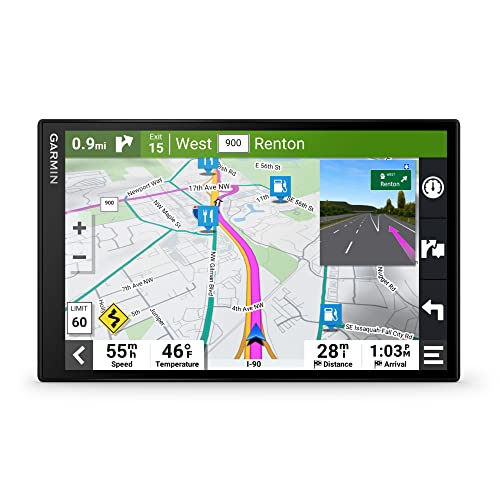
For most drivers, the Garmin DriveSmart 65 is the top pick because it combines a large 6.95 inch display with free live traffic and built-in Alexa. Its main limitation is the higher price compared to basic models. The TomTom Go Supreme offers a flexible mounting system and lifetime world maps, but its subscription for live services is an extra cost. If you need a rugged device for hiking, the Garmin GPSMAP 66i provides satellite communication and topo maps, but it is bulky and costly.
Portable GPS navigation devices still earn their place on your dashboard or backpack. They work without cell service, have bigger screens than phones, and often include specialized maps for hiking or off-road driving.
We compared the latest models from Garmin, TomTom, and Rand McNally. Owners report that battery life and ease of map updates matter most. Here are the best portable GPS units for different needs.
The shortlist, ranked
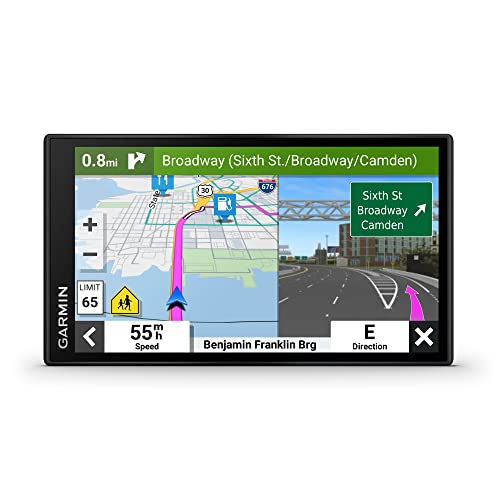
Garmin DriveSmart 65
The Garmin DriveSmart 65 is a 6.95 inch navigator with free live traffic and built-in Alexa. It offers hands-free calling and smart notifications when paired with your phone. The display is bright and easy to read, and it comes with maps of North America.
Pros
- Large clear display
- Free live traffic and Alexa
- Easy to use interface
Cons
- Internal battery only lasts about an hour
- No built-in dash cam
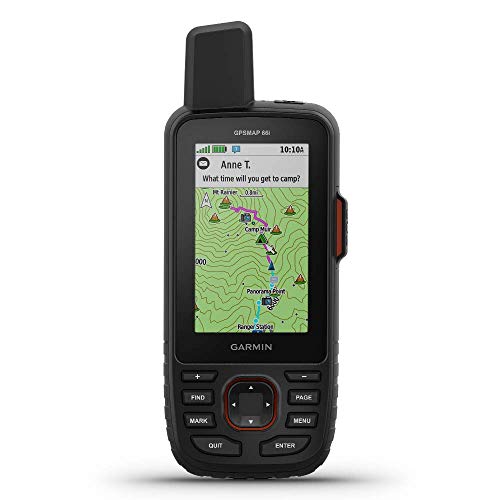
Garmin GPSMAP 66i
The GPSMAP 66i combines a GPS navigator with inReach satellite technology. It allows two-way messaging and SOS alerts anywhere in the world. It comes with preloaded TopoActive maps and supports multiple global navigation satellite systems.
Pros
- Two-way satellite messaging
- Long battery life in GPS mode
- Rugged and waterproof
Cons
- Expensive
- Requires satellite subscription
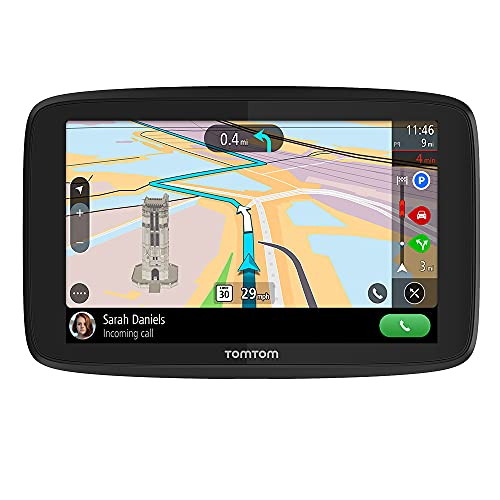
TomTom Go Supreme
The TomTom Go Supreme has a 6 inch touchscreen and offers lifetime world maps. It includes a rechargeable battery and a magnetic mount that is easy to adjust. The device provides free map updates and traffic alerts via a smartphone connection.
Pros
- Worldwide maps included
- Magnetic mount is versatile
- Rechargeable battery
Cons
- Lifetime traffic subscription not included
- Smaller screen than Garmin DriveSmart

Garmin RV 795
The Garmin RV 795 is designed for recreational vehicles and trucks. It provides custom routing based on your vehicle’s size and weight. The 7 inch display includes a built-in dash cam and offers free live traffic and weather.
Pros
- Routes based on RV dimensions
- Includes dash cam
- Free live traffic
Cons
- Short internal battery life
- Premium price

Garmin eTrex 32x
The Garmin eTrex 32x is a rugged handheld GPS that works for hiking and geocaching. It has a 2.2 inch color display and comes with a 100K topo map. The device is waterproof and offers a battery life of up to 25 hours.
Pros
- Affordable
- Rugged construction
- Long battery life
Cons
- Small screen
- No touchscreen

Rand McNally TND 735
The Rand McNally TND 735 is a professional truck GPS with a 7 inch display. It includes truck-specific routing and a built-in dash cam. The device offers over 19,000 truck services and points of interest.
Pros
- Truck-specific features
- Large display
- Built-in dash cam
Cons
- Interface can be less intuitive
- Battery life is limited

Garmin Montana 700
The Garmin Montana 700 is a versatile handheld GPS that can be used for hiking, boating, and off-road driving. It has a 5 inch touchscreen and supports multiple map sources. The device is rugged and waterproof, with a battery life of up to 18 hours.
Pros
- Large screen for a handheld
- Works for various activities
- Rechargeable battery
Cons
- Expensive
- Heavier than other handhelds
What matters most
How to choose a portable GPS Consider where you will use the device. For driving, a large screen and free live traffic are useful. For hiking, look for long battery life and rugged design. Off-road drivers need preloaded topographic maps and track recording. Think about whether you need satellite communication for safety.
Battery life and power options Car GPS units often have short internal batteries because they are meant to be plugged in. Handheld models have longer battery life and may use AA batteries or rechargeable packs. Check the battery type and expected hours before buying.
Map updates and subscriptions Manufacturers offer free or paid map updates. Some devices require a subscription for live traffic, weather, or satellite messaging. Look for devices with lifetime map updates to avoid extra costs.
Mounting and screen visibility A good mount keeps the device stable and within reach. Magnetic mounts are easy to adjust. Screen brightness matters, especially in sunlight. Choose a device with automatic brightness adjustment and anti-glare coating.
How they compare
| # | Model | Screen size | Best for | Score | Price |
|---|---|---|---|---|---|
| 1 | Garmin DriveSmart 65 | 6.95 inches | Best overall for drivers | 9.4 | Check price |
| 2 | Garmin GPSMAP 66i | 3 inches | Best for hikers and off-grid explorers | 9.2 | Check price |
| 3 | TomTom Go Supreme | 6 inches | Best for world travelers | 9.0 | Check price |
| 4 | Garmin RV 795 | 7 inches | Best for RV and truck drivers | 8.8 | Check price |
| 5 | Garmin eTrex 32x | 2.2 inches | Best budget handheld for outdoor use | 8.6 | Check price |
| 6 | Rand McNally TND 735 | 7 inches | Best for truckers | 8.4 | Check price |
| 7 | Garmin Montana 700 | 5 inches | Best for multi-sport adventures | 8.2 | Check price |
Frequently asked questions
Why buy a portable GPS instead of using a smartphone?
Portable GPS devices work without cell coverage, have larger screens, and often include specialized features like off-road maps or dash cams. They also use less phone battery.
Do portable GPS units require a subscription?
Some do for live traffic, weather, or satellite messaging. Many come with free lifetime map updates. Check the product details before buying.
Can I use a car GPS for hiking?
No. Car GPS units are not rugged and have short battery life. For hiking, choose a handheld GPS like the Garmin eTrex or Montana.
What is the difference between a portable GPS and a built-in car navigation system?
Portable GPS units are removable and can be used in multiple vehicles. Built-in systems are integrated into the car and often have better integration with vehicle sensors.
How often do I need to update the maps?
It depends on how much you travel. Updating every few months ensures you have the latest roads and points of interest. Many devices offer free updates for the life of the product.
Are portable GPS devices accurate?
Yes, they use GPS satellites and are accurate within a few meters. Some also use multiple satellite systems for improved accuracy in challenging environments.
Can I use a portable GPS internationally?
Yes, if the device has maps for other countries. The TomTom Go Supreme includes world maps. Others may require purchasing additional maps.
Do portable GPS units have voice commands?
Many have voice prompts for directions, and some support voice control. The Garmin DriveSmart 65 includes hands-free calling and can respond to voice commands.
The bottom line
For drivers who want the best all-around experience, the Garmin DriveSmart 65 is the clear winner. Its large screen, free live traffic, and Alexa integration make it worth the investment. If you are an outdoor enthusiast, the Garmin GPSMAP 66i provides unmatched safety features with satellite messaging. For budget-conscious hikers, the Garmin eTrex 32x is a reliable and affordable choice. Choose based on your primary use, and you will get a device that outperforms any smartphone app.